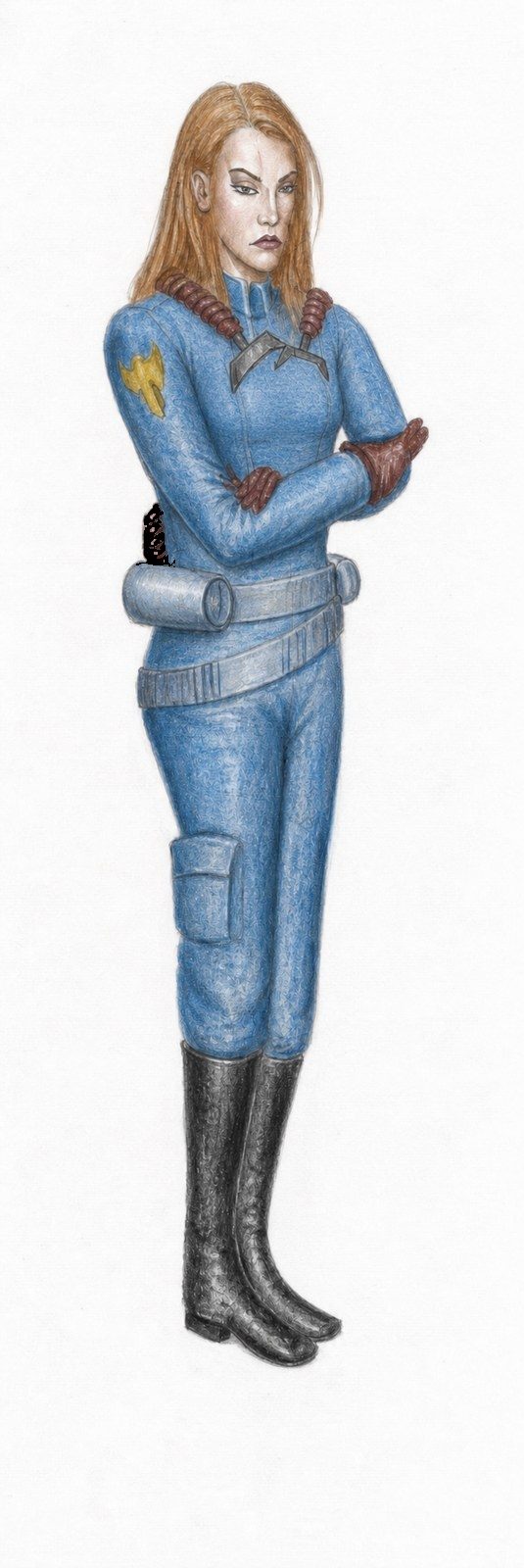
 RACE · 001
Humans
The galaxy's former masters
Though the days of their greatness are long past, humans still remain one of the most numerous races in the galaxy and an important part of its political map.
A galaxy where hundreds of sentient races share the starways — from ancient superpowers to tribes only just discovered. A chronicle of peoples, empires, and wars, gathered into a single open archive.
RACE · 001
Though the days of their greatness are long past, humans still remain one of the most numerous races in the galaxy and an important part of its political map.
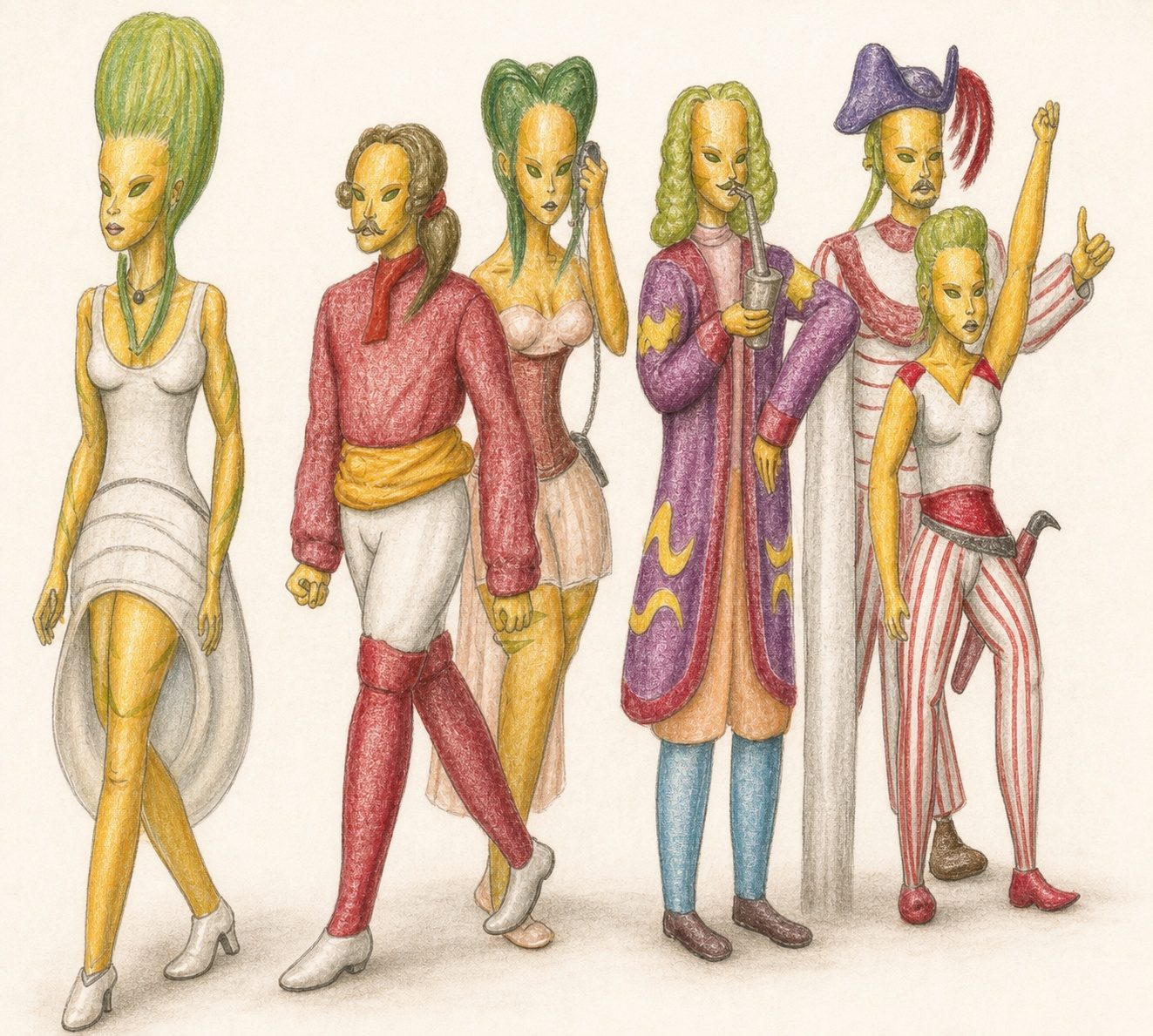 RACE · 316
The Zhaks are a very numerous race, but one that lives relatively compactly, which is why far from everyone knows about them, unlike the Agatylais, the Araleks, or humans.…
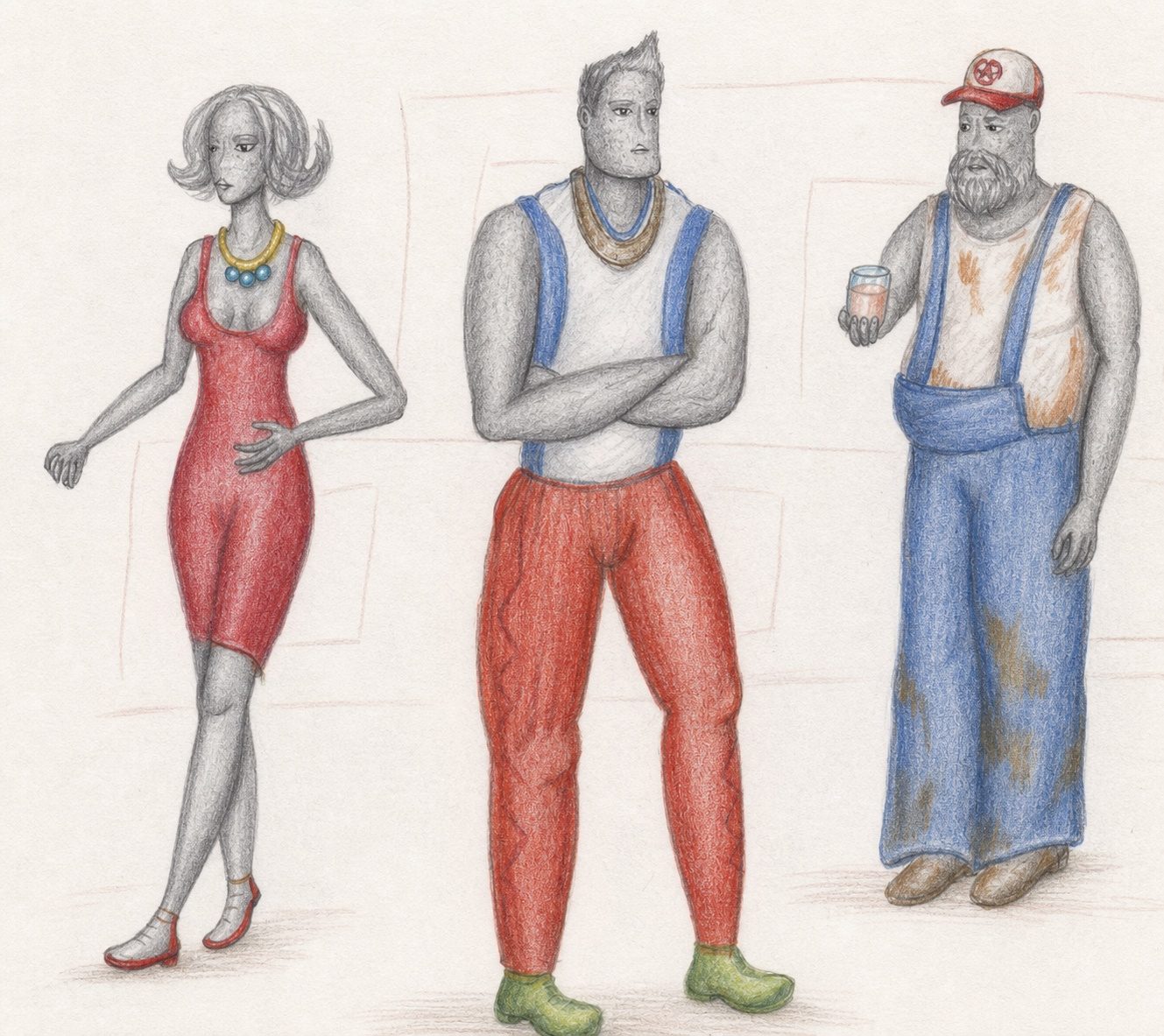 RACE · 313
The Marihays are a race of humanoids fairly widespread in the galaxy. The Marihays see the chief purpose of their lives in conspicuous consumption and making money.…
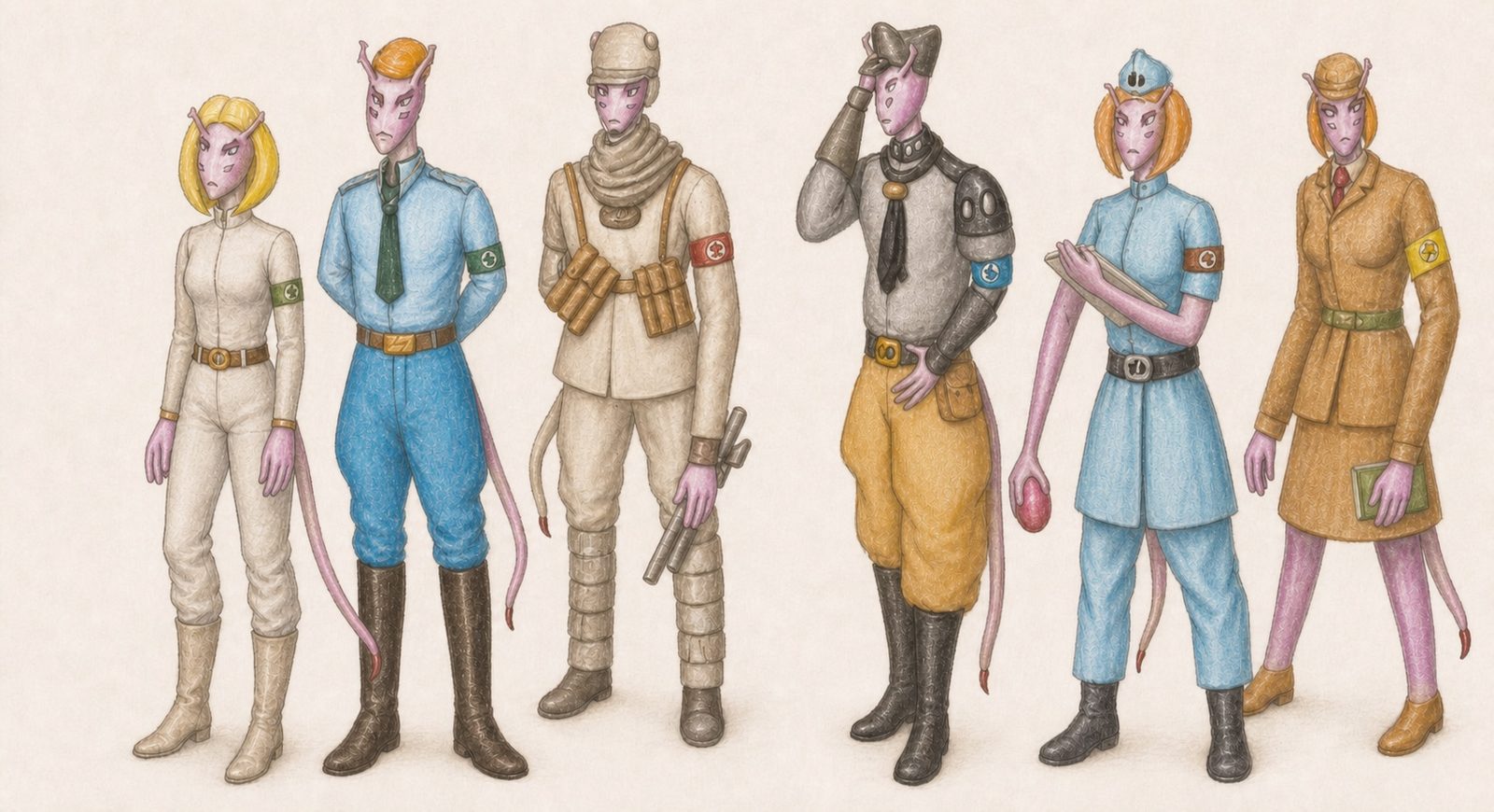 RACE · 320
The Emans are a race closely related to the Zhaks. Fairly widespread in the galaxy. Most members of this race are medium-height (170 cm) humanoids with a tail.…
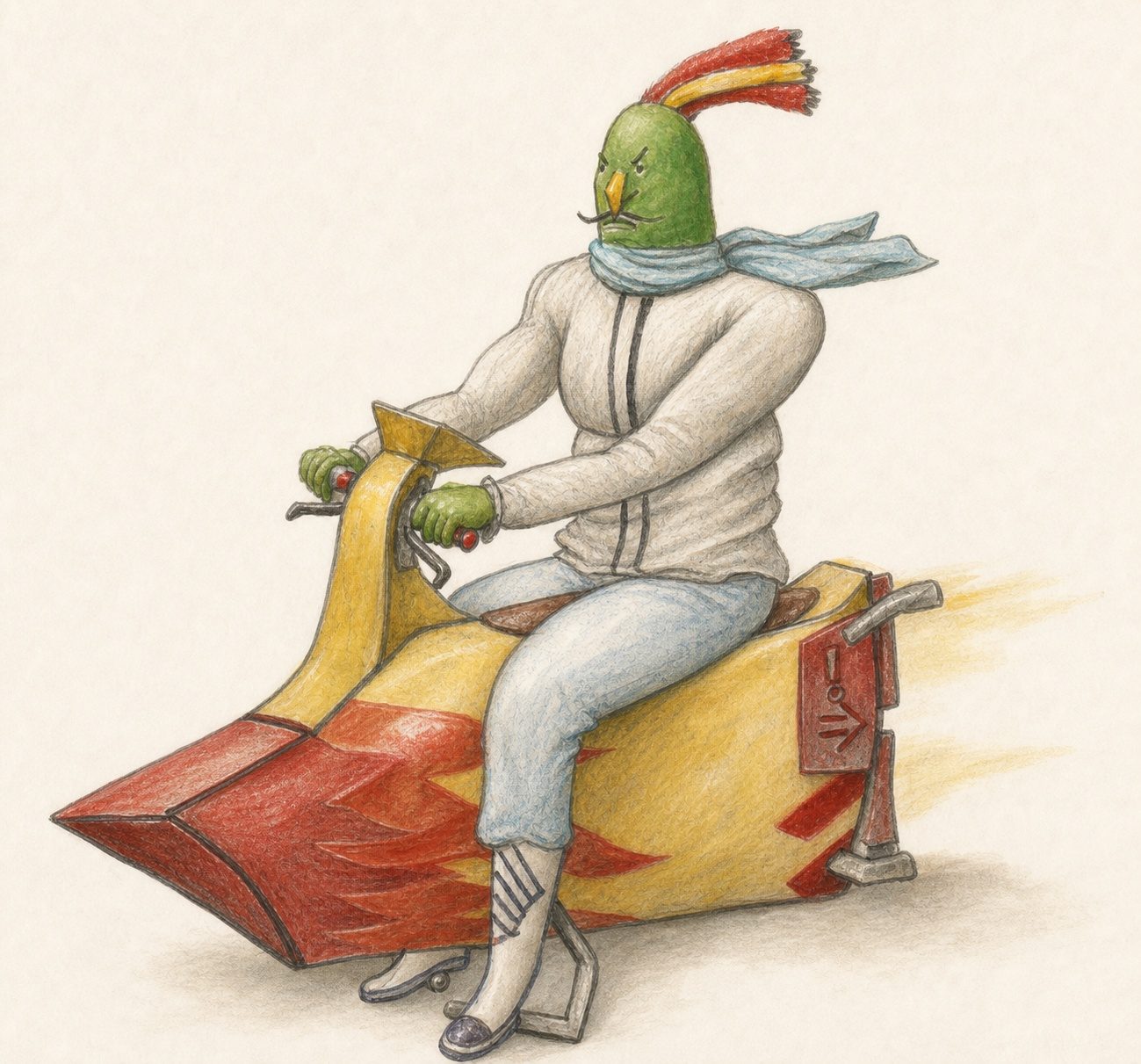 RACE · 014
A warlike race of bird-like beings with a culture of duels and affairs of honor. Advanced scholars whose internal disagreements are often fiercer than their conflicts with other races.
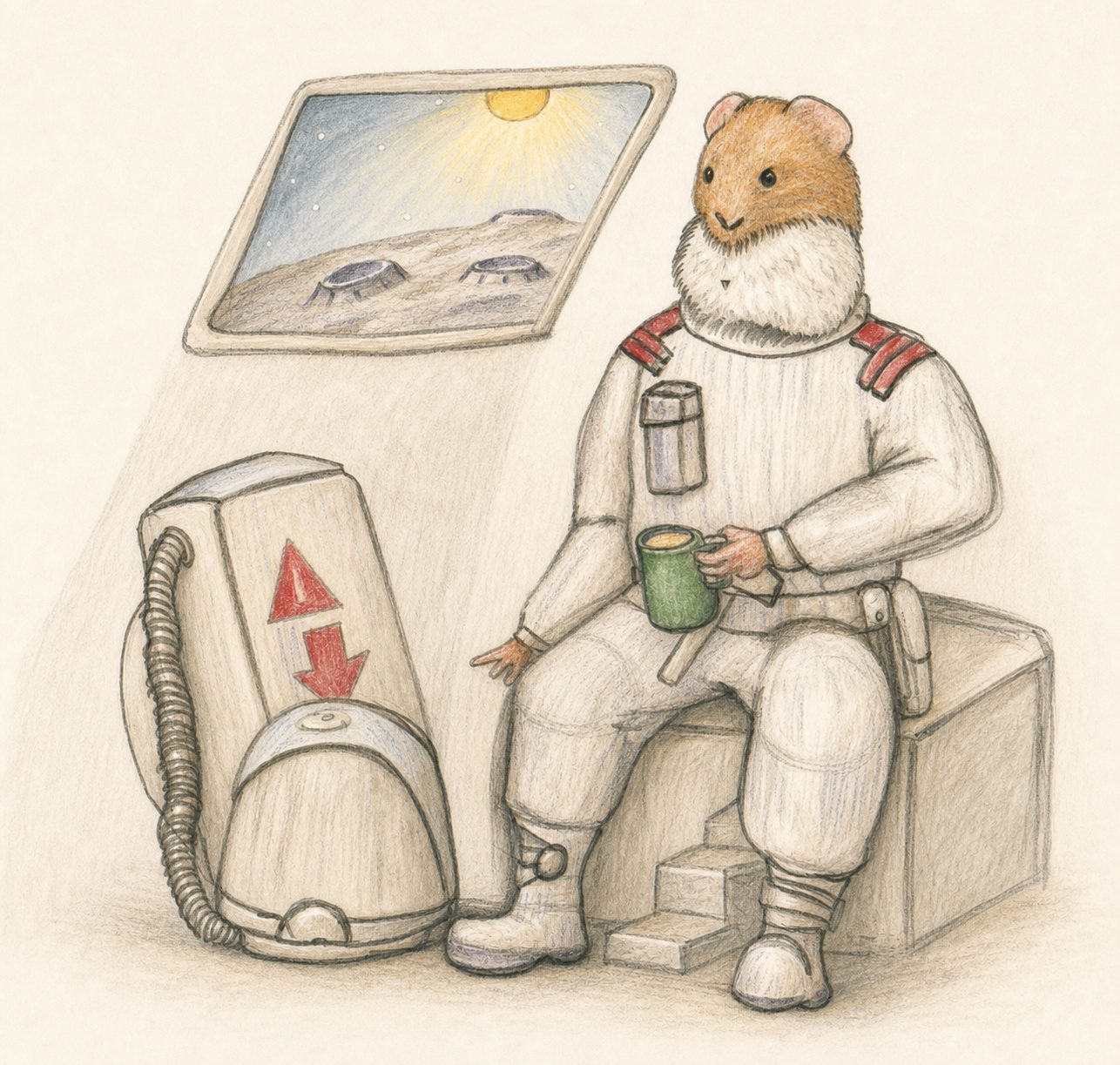 RACE · 016
One of the galaxy's most widespread races, with outstanding hardiness and resistance to radiation. A critical shortage of females (1 to 10) has shaped a unique society of contract births, in which males take on the raising of children.
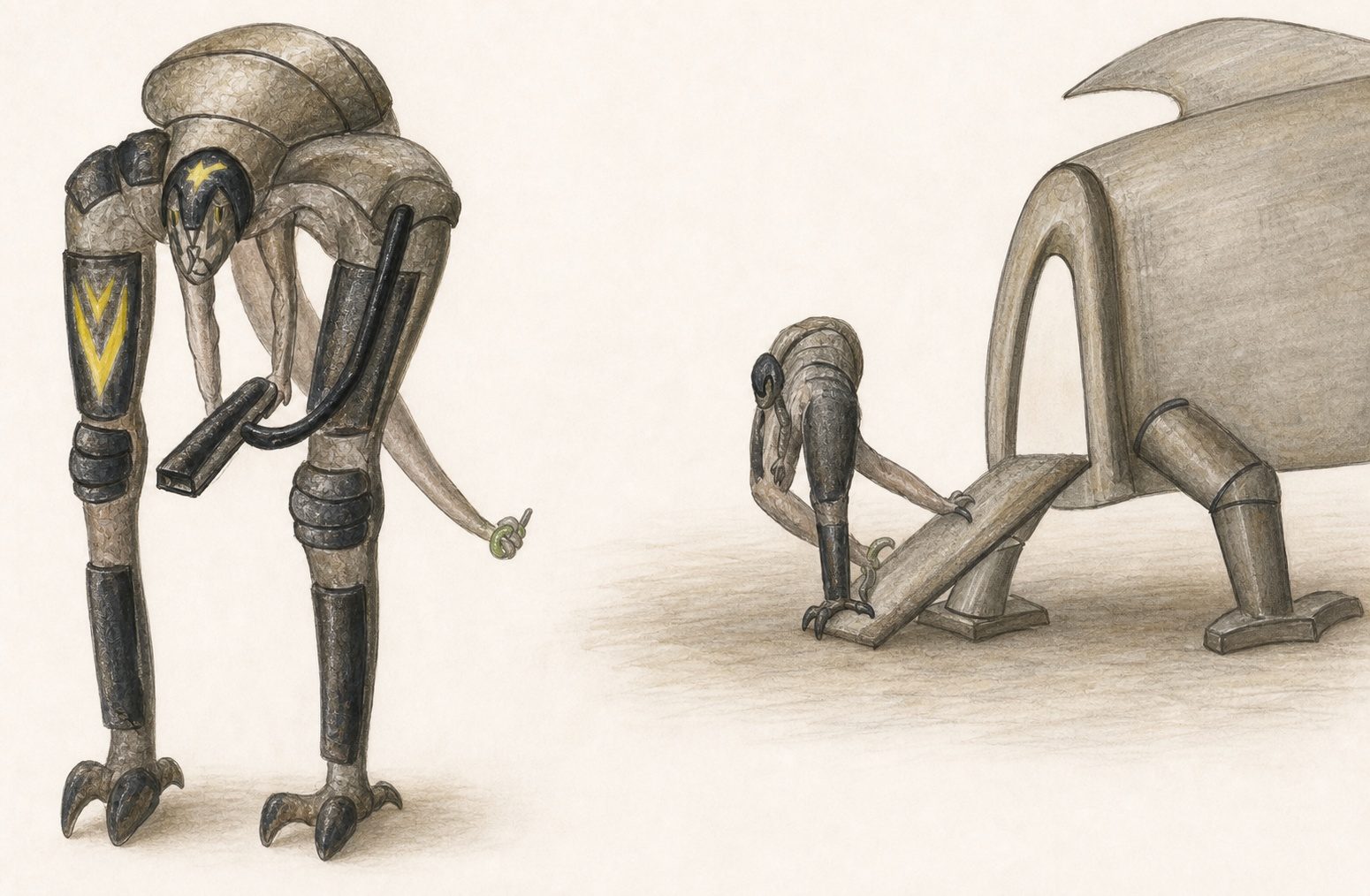 RACE · 260
The Nechota are a sinister race, extreme racists who believe that everyone else should serve them either as slaves or as food. Several centuries ago the race was struck by…
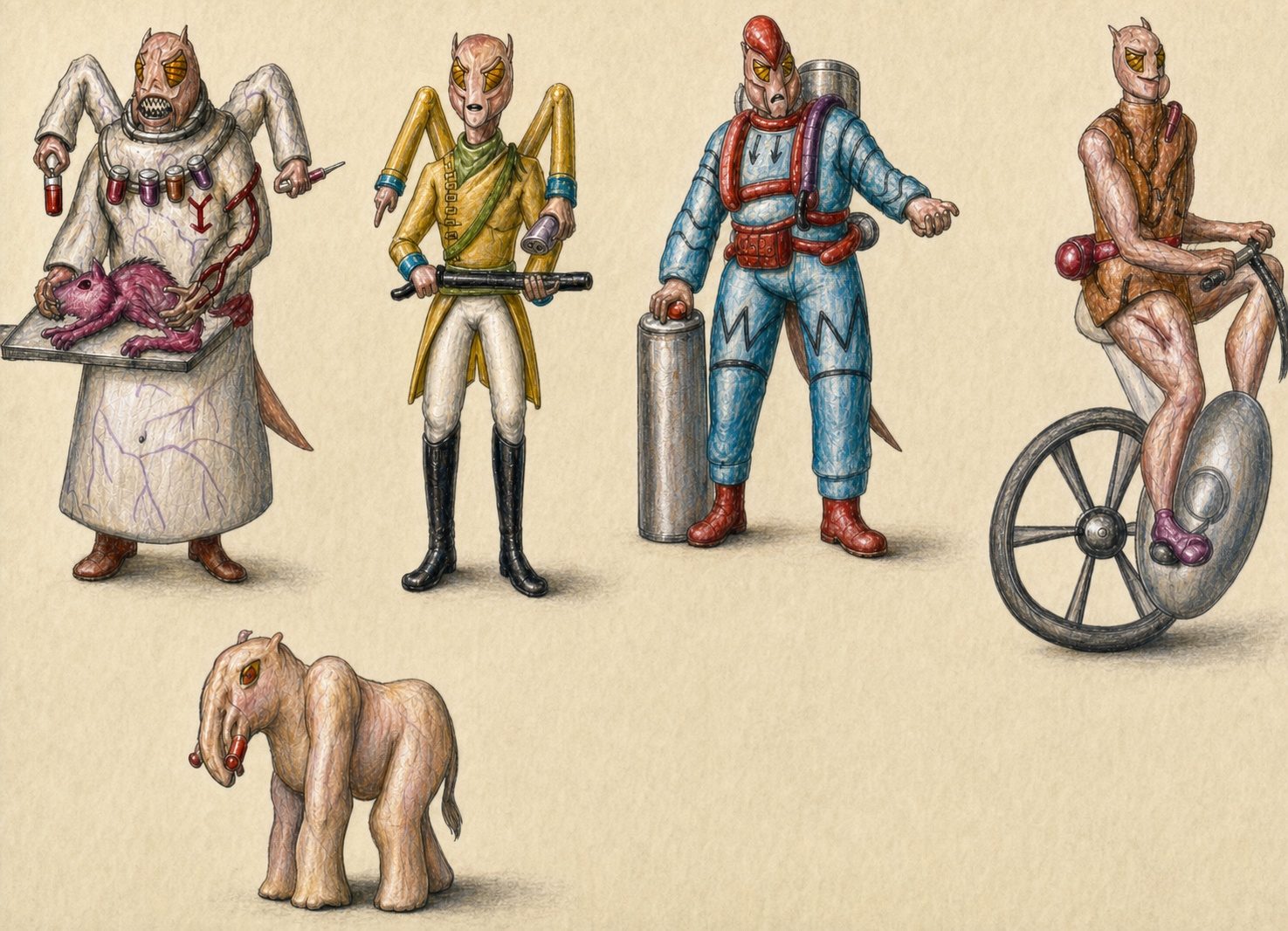 RACE · 404
A populous monarchy obsessed with biotechnology: their Biomages grow biomachines for every task — from war beasts to cargo haulers.
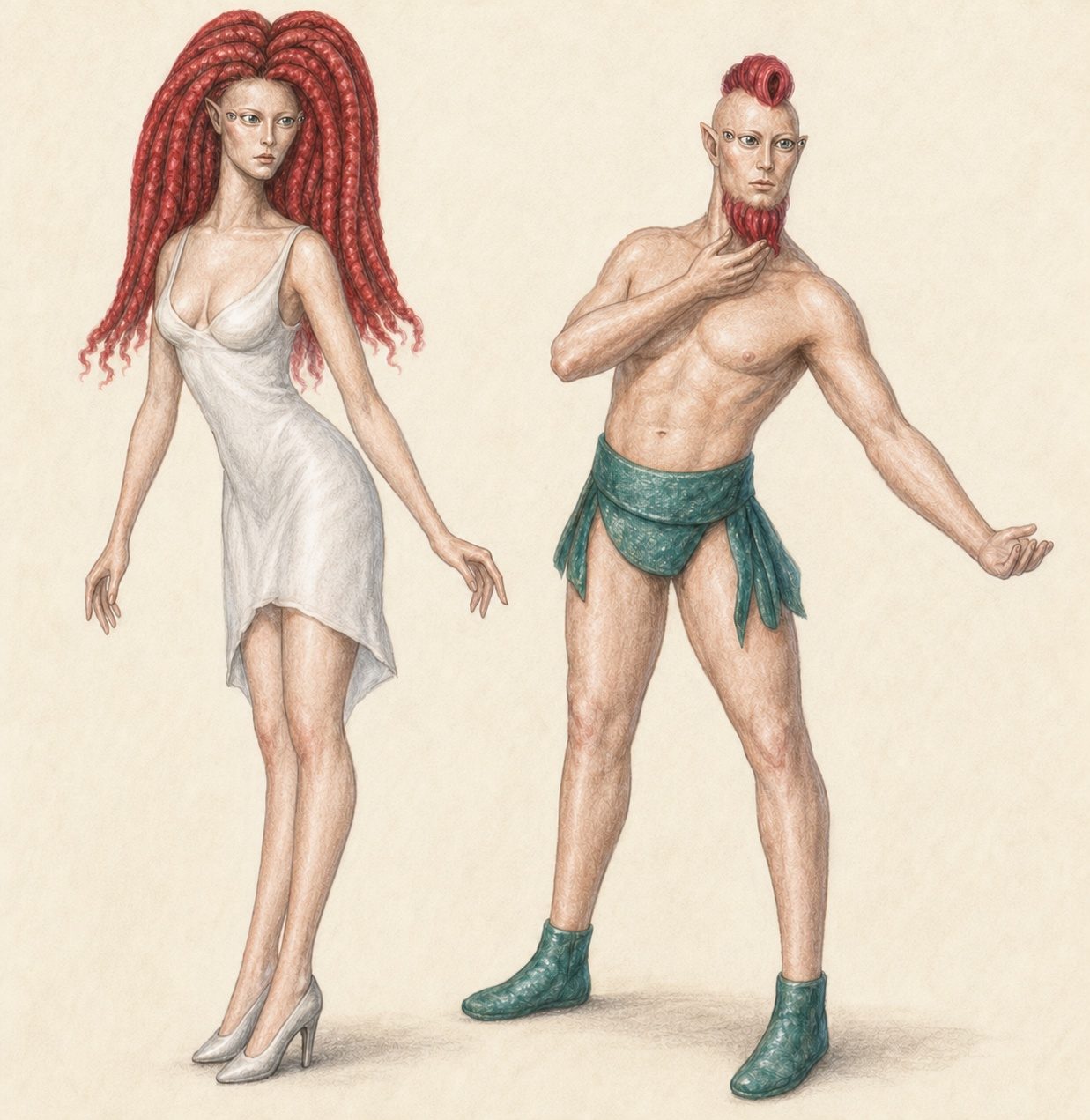 RACE · 341
A race of four-eyed, human-like beings: a matriarchy from the border of the Underworld. Velter women are considered witches — they survive the gravest wounds and hold the secrets of pheromones and poisons.
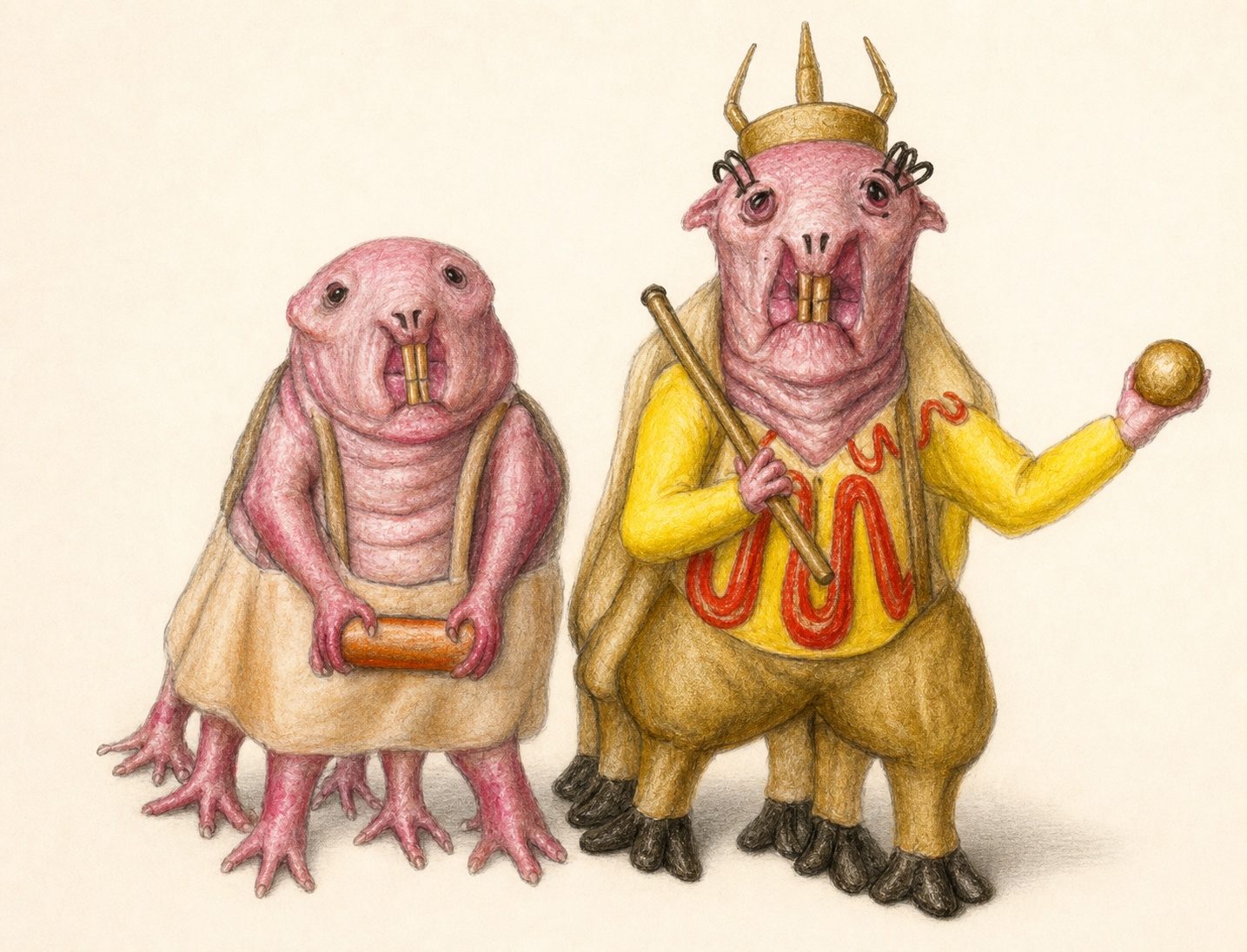 RACE · 283
A burrowing race from sector M-30 that came up to the surface — and into space — in communes of several thousand. Only the queen of a commune is fertile, and a planet is governed by a council of representatives.
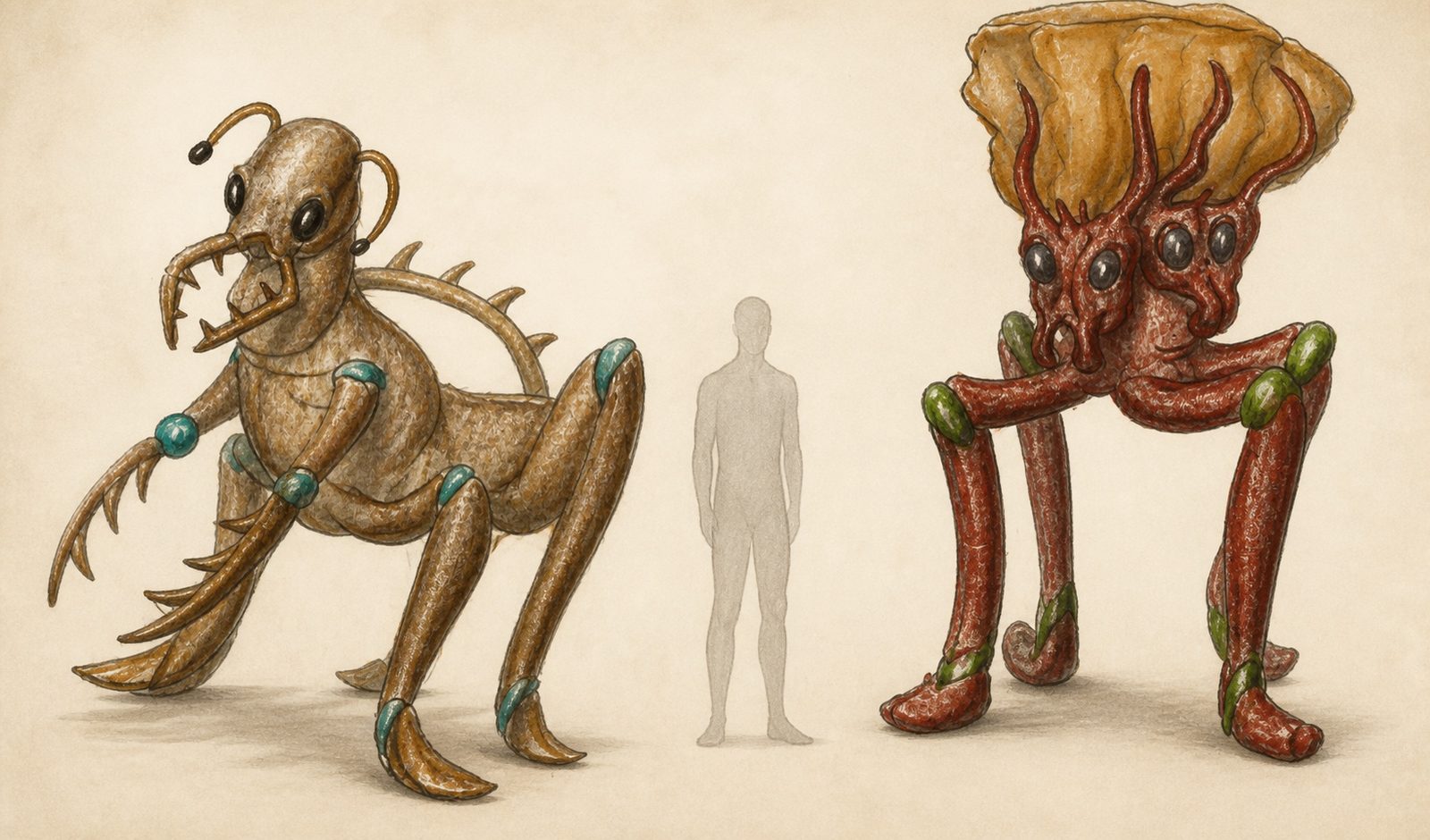 RACE · 393
Insectoids living in confederations of hives: slave biomachines make up eight tenths of the population, while the Many-Eyes — the hive's distributed mind — rule. Unlike other insectoids, they build real industry.
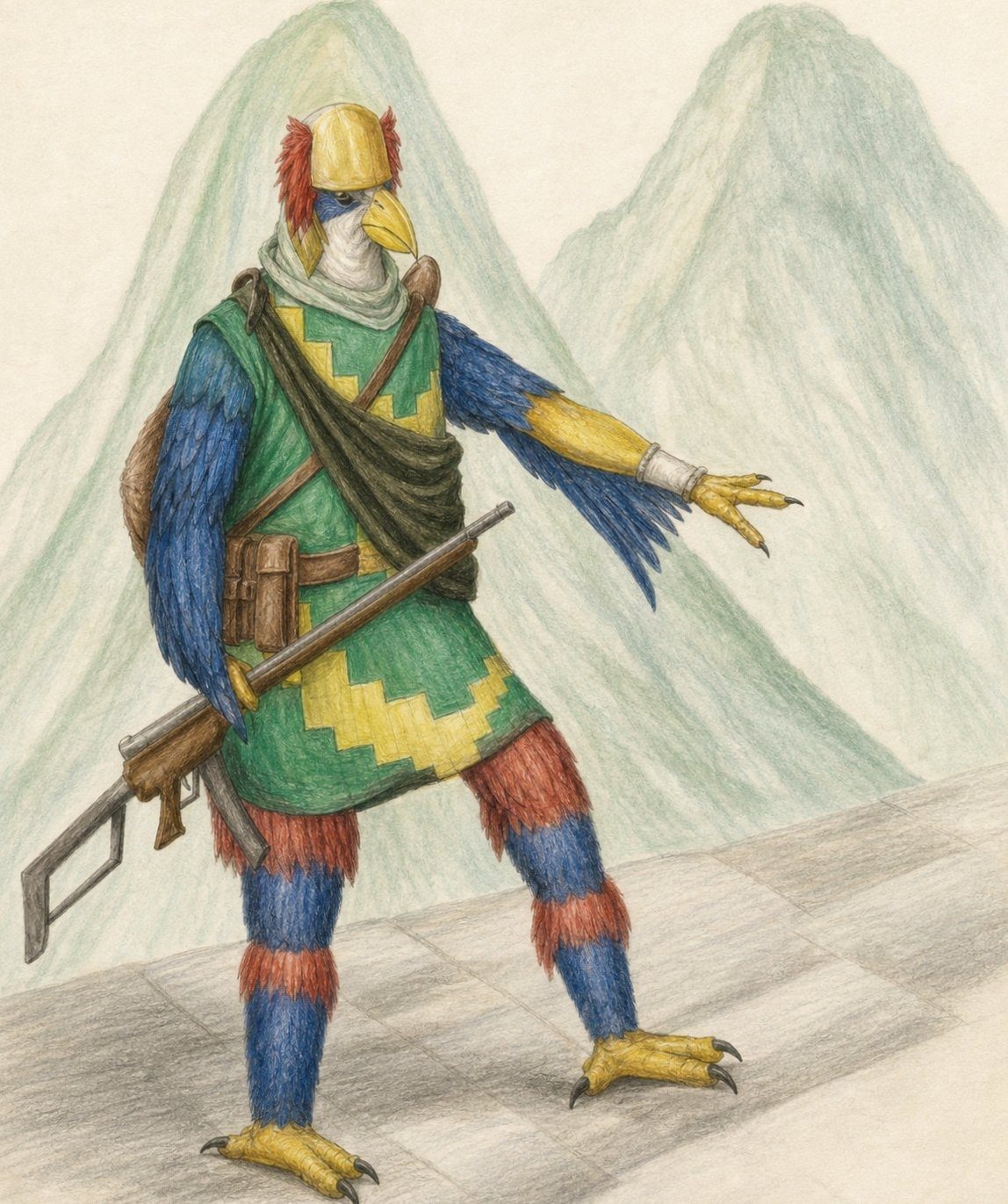 RACE · 206
A race of flightless birds from cold, mountainous worlds. They live in large communes headed by a nest family — one they are quite capable of overthrowing. Their sacred number is four, and their science is inseparable from their religion.
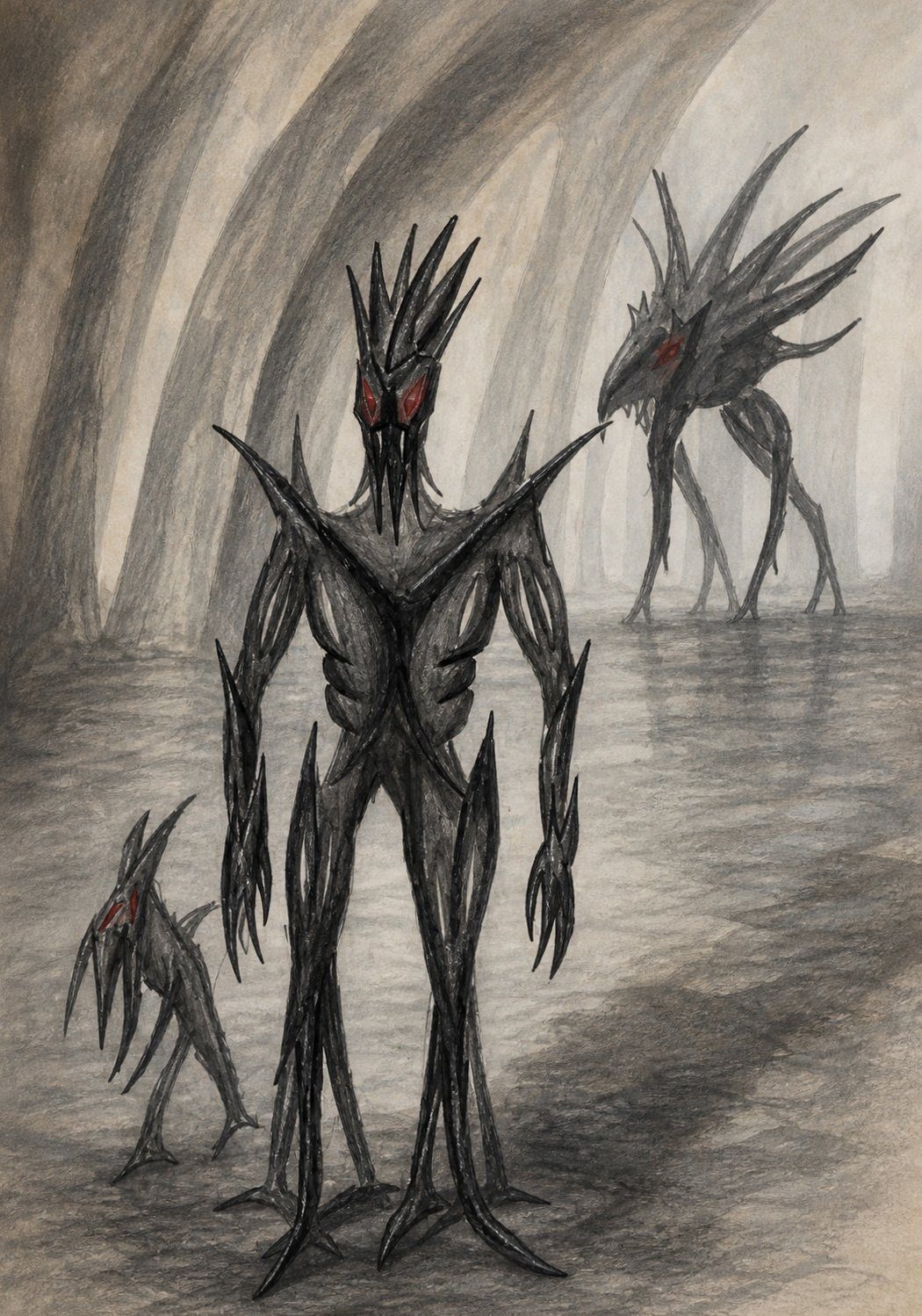 RACE · 165
A race from the west of the galaxy that rose not by technology but by the third horn — a telepathic organ that bends Farngash fauna to its will. In war their beasts act as a single mechanism.
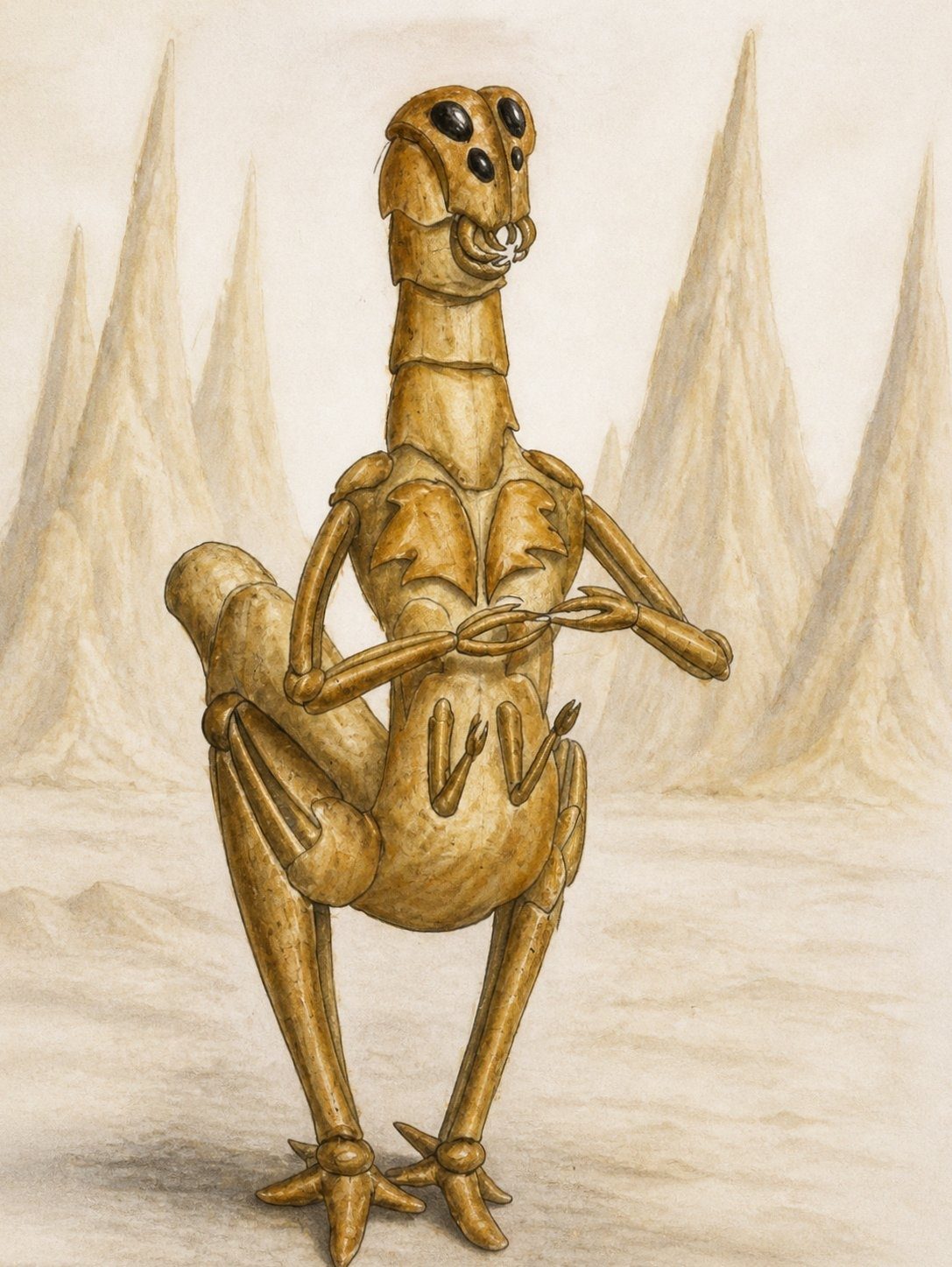 RACE · 262
Insectoids among whom only the queens are sentient: the rest are part of her neural network, and the larger the hive, the cleverer its queen. The greatest hives match the lands of the Golden Suns.
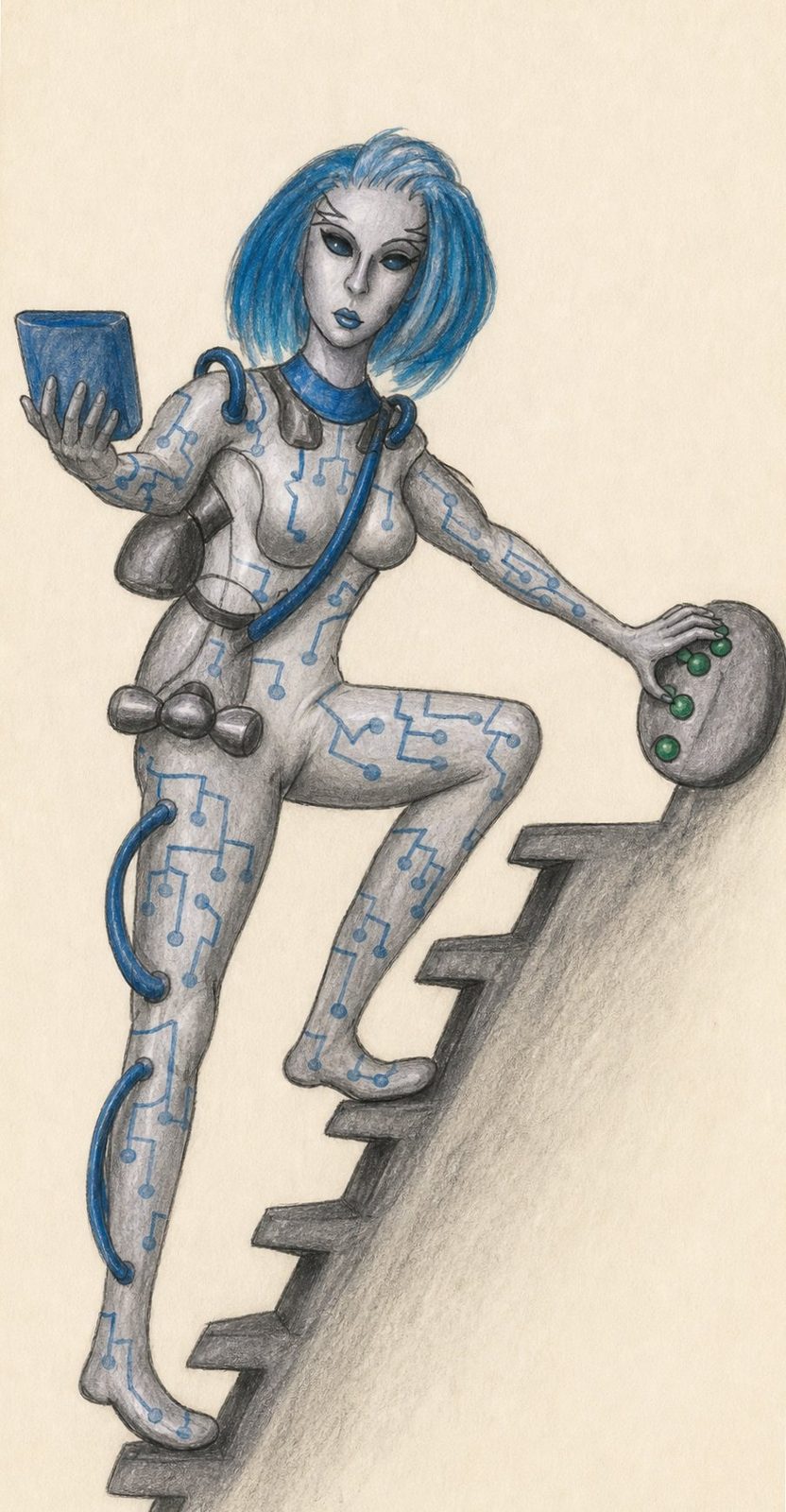 RACE · 158
A race thought to have been bred from humans for work in the Net: brains reworked for implants, eyes for total darkness. Most Ryubizes are female — descendants of eighteen Ancient Mothers.
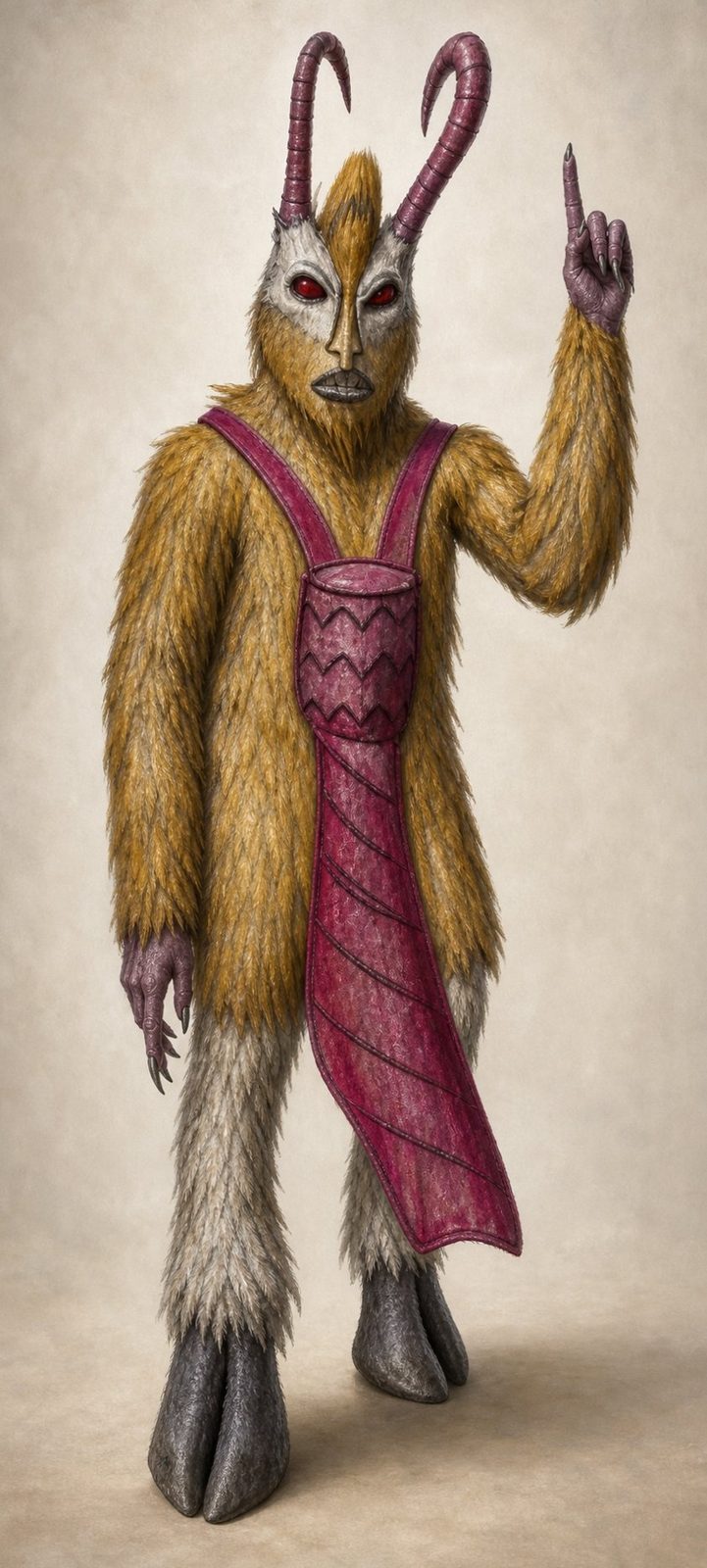 RACE · 410
A nomadic race from sector V-6, known to its neighbours as pitiless raiders. Their god demands sacrifices, and a sentient race counts as the finest offering — hence the raids that never end.
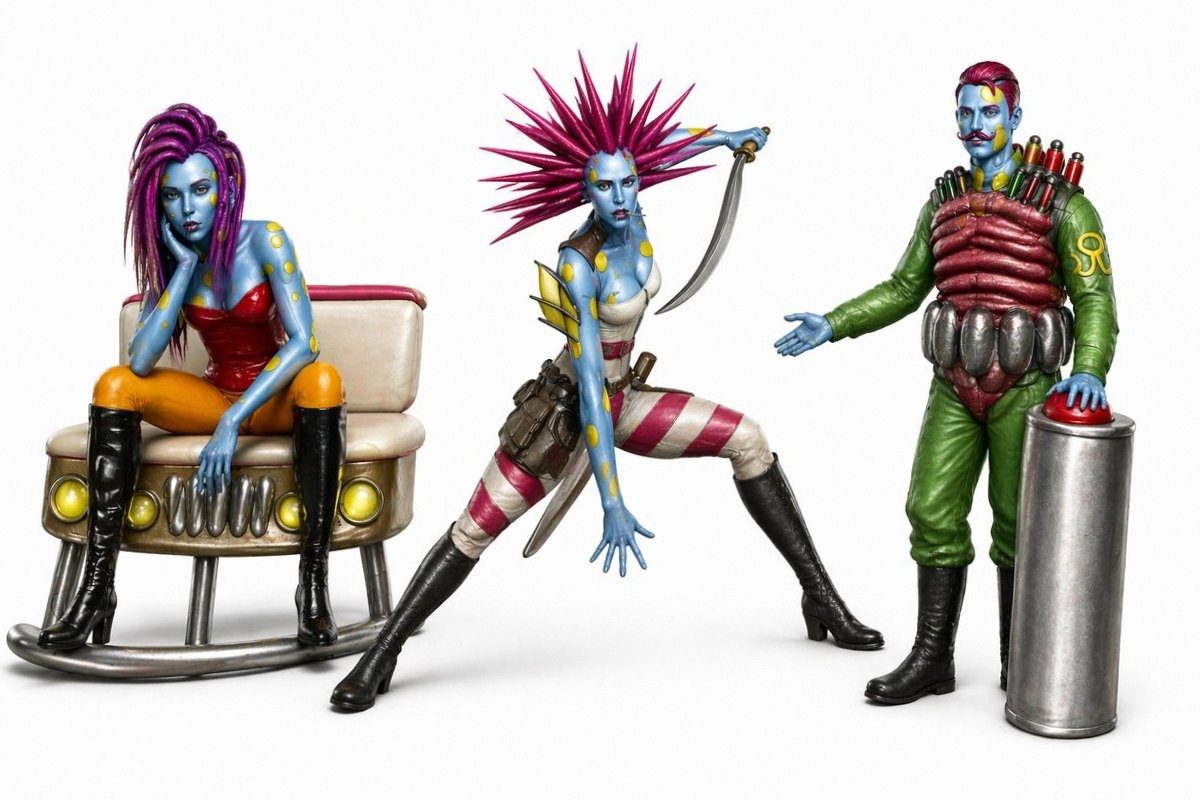 RACE · 322
Reptilian nomads whose machines are alive: an animal is settled into the mechanism in place of an engine, and it feeds on meat. An engine like that can only be kept fed on the move.
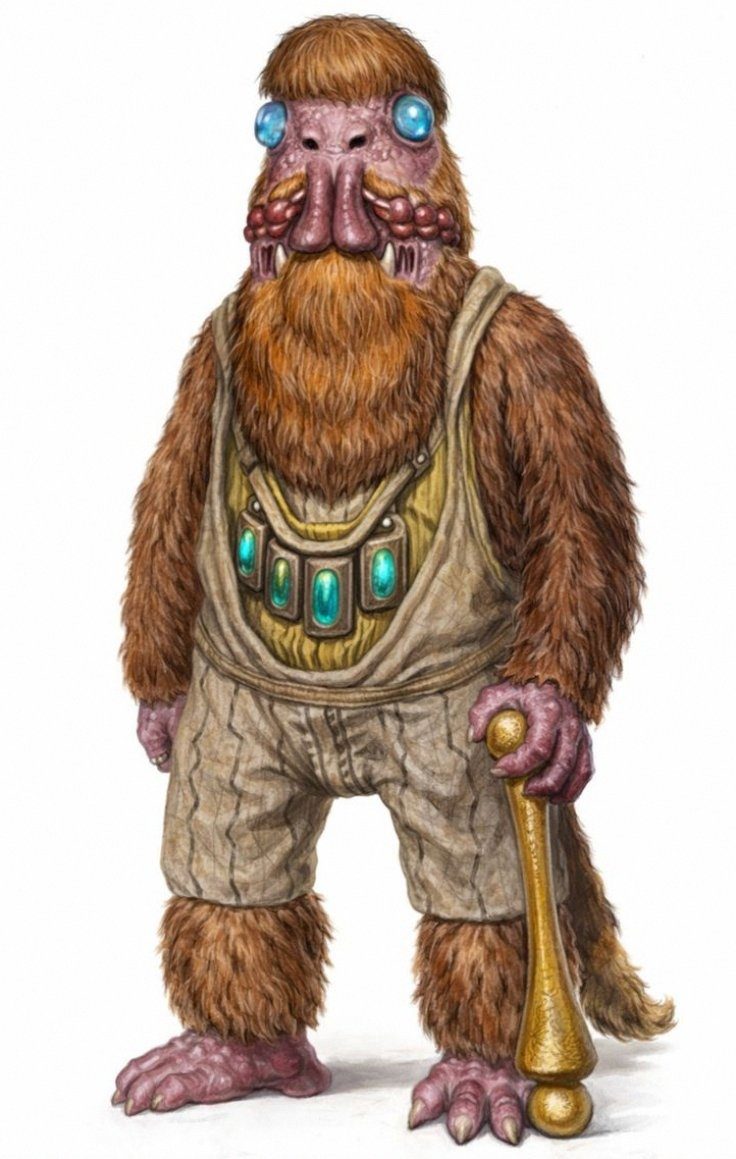 RACE · 432
A rodent-like underground race and superb miners: glands on the neck catch the faintest shifts in the air of a shaft and find deposits by scent alone. Here wealth is worn — the Svarits weave their clothing out of gold.
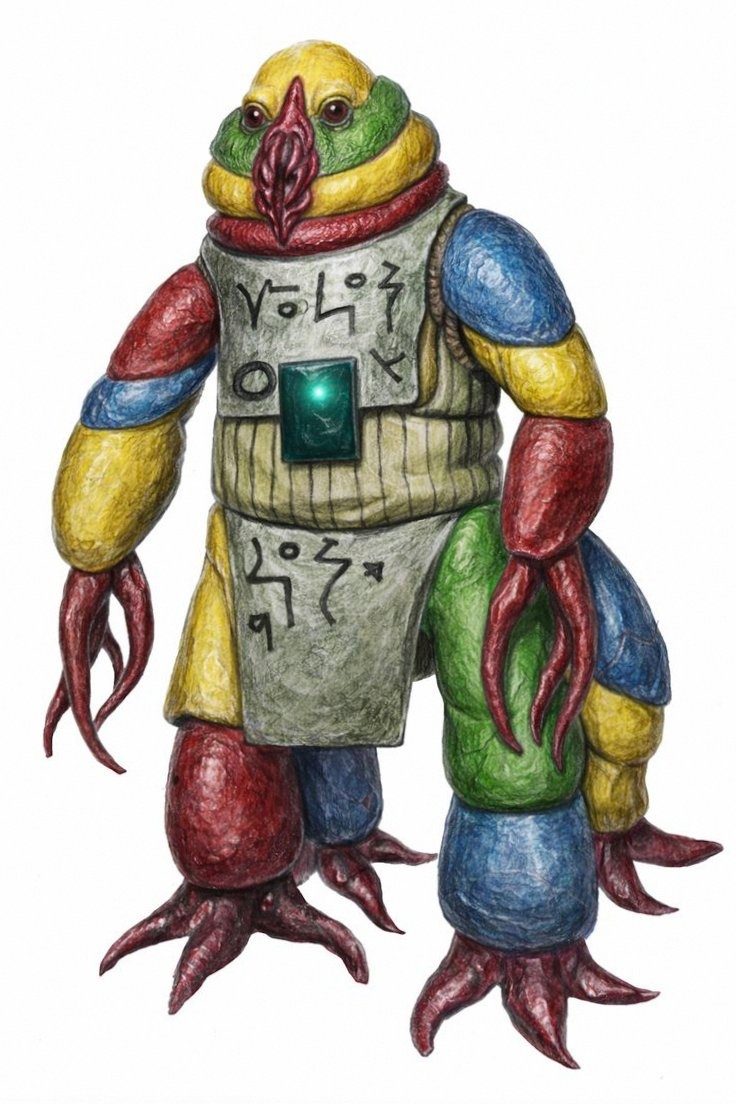 RACE · 434
A race without speech: the sounds they make are too poor to carry meaning, so the Karuses talk by changing the colour of parts of their bodies. An exquisite sense of smell makes them indispensable on geological expeditions.
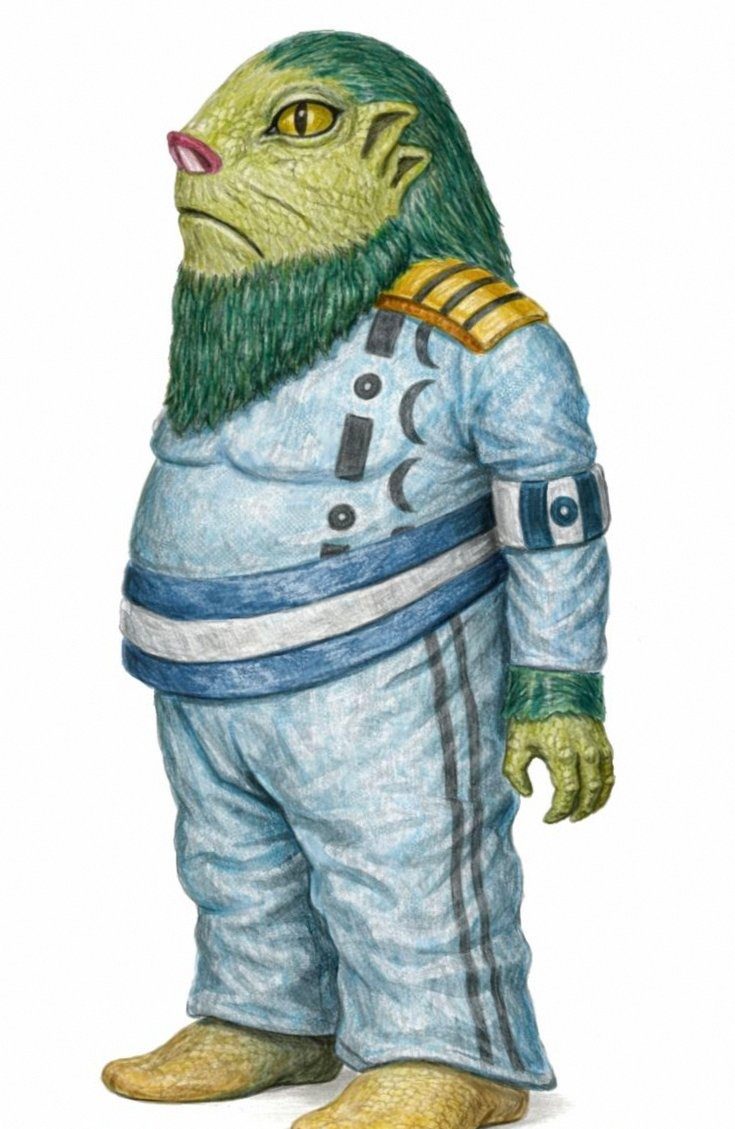 RACE · 435
A race that took on the Eman way of things: one-man rule, a repressive apparatus and hard racism. Their gvidanstvo presses slowly but steadily into Gnot space.
 RACE · 213
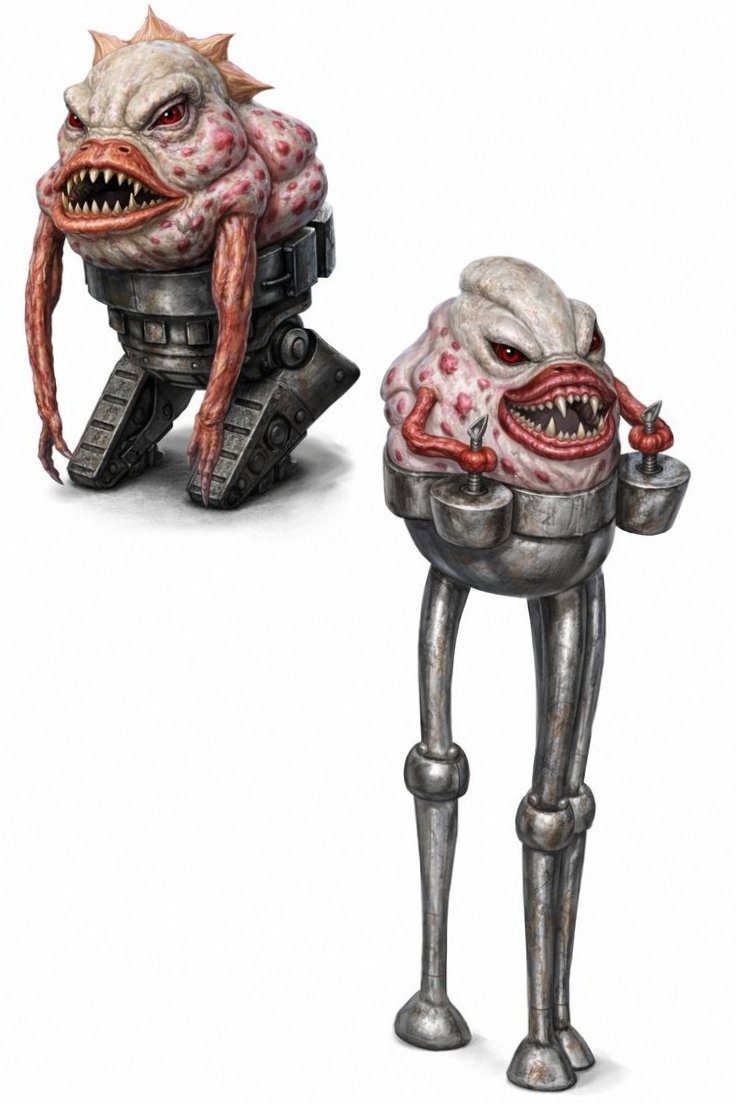
An aquatic, highly advanced race and pitiless racists: every other race is, to them, only slaves. They contest dominance beneath the water with the Povody — but rely on engineering rather than mysticism, up to war machines several storeys tall.
 RACE · 157
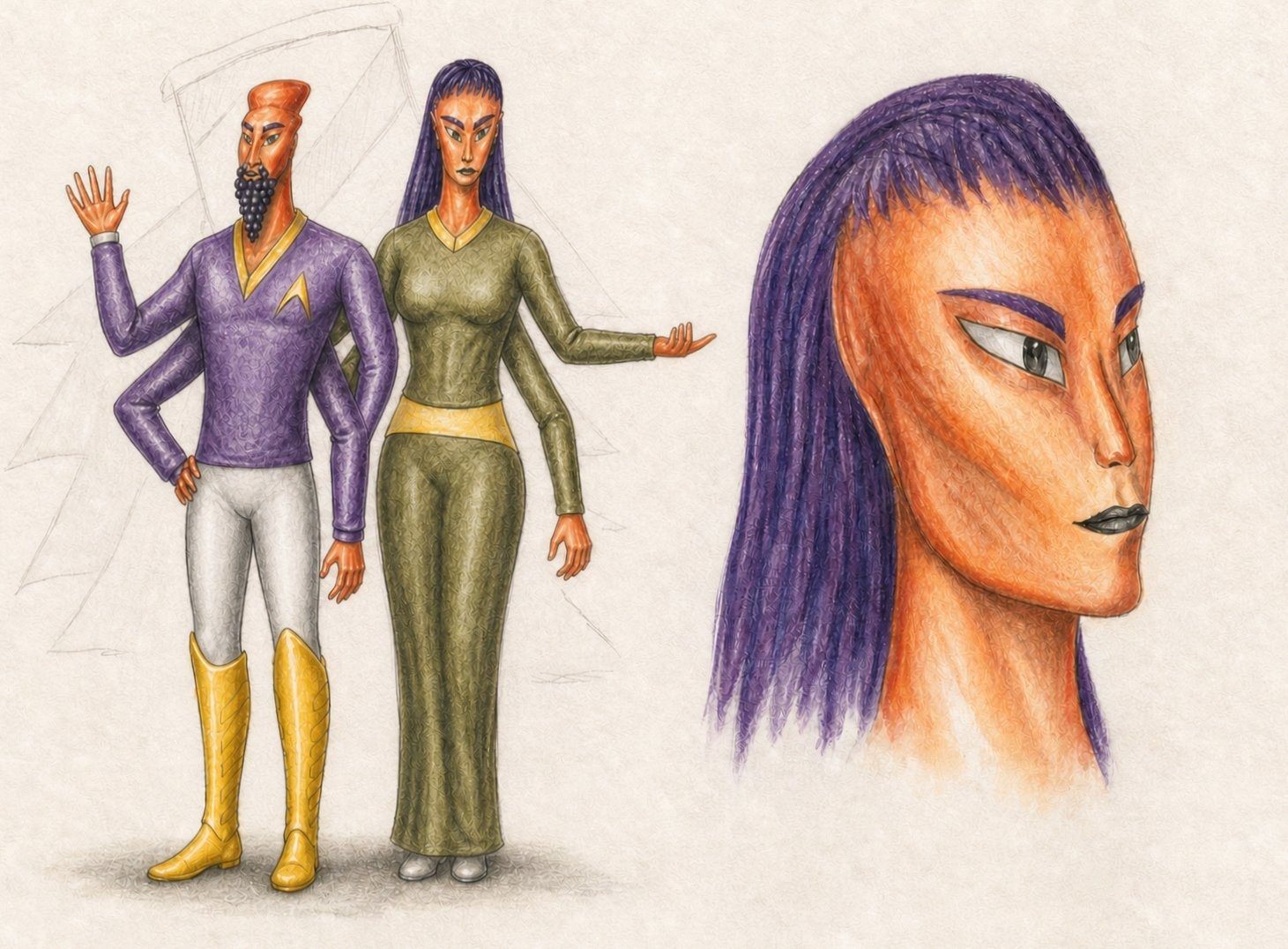
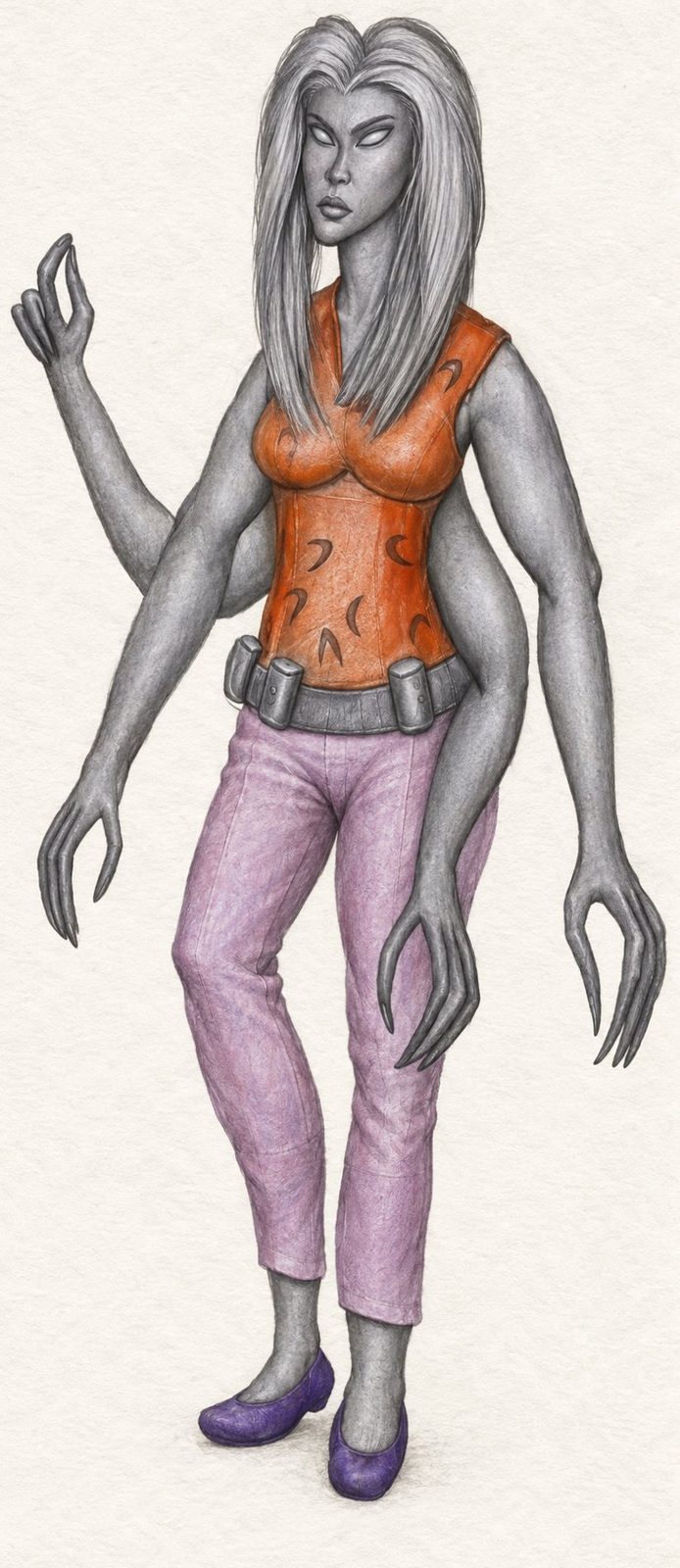
Four-armed humanoids who worship the stars. Humans they honour as their forebears, and they are certain that after human civilisation will come the Sohian one — which will sooner or later bring the galaxy to heel.
 RACE · 195
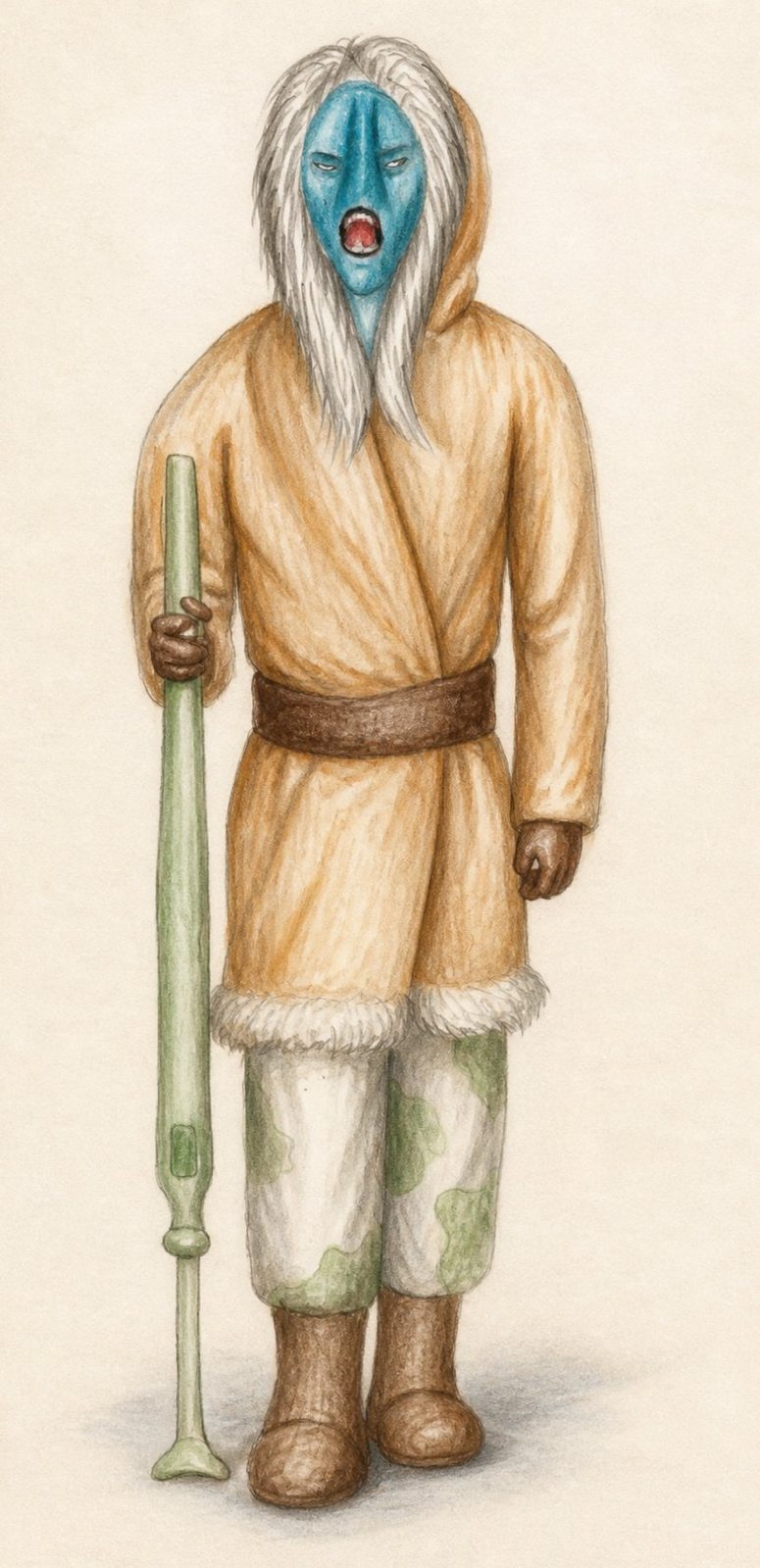
A race of the northern latitudes and the permafrost: hunters and herders who live at minus a hundred and think very well of themselves for it. Alcohol works on them like the strongest narcotic, and on their planets it is banned outright.
 RACE · 159
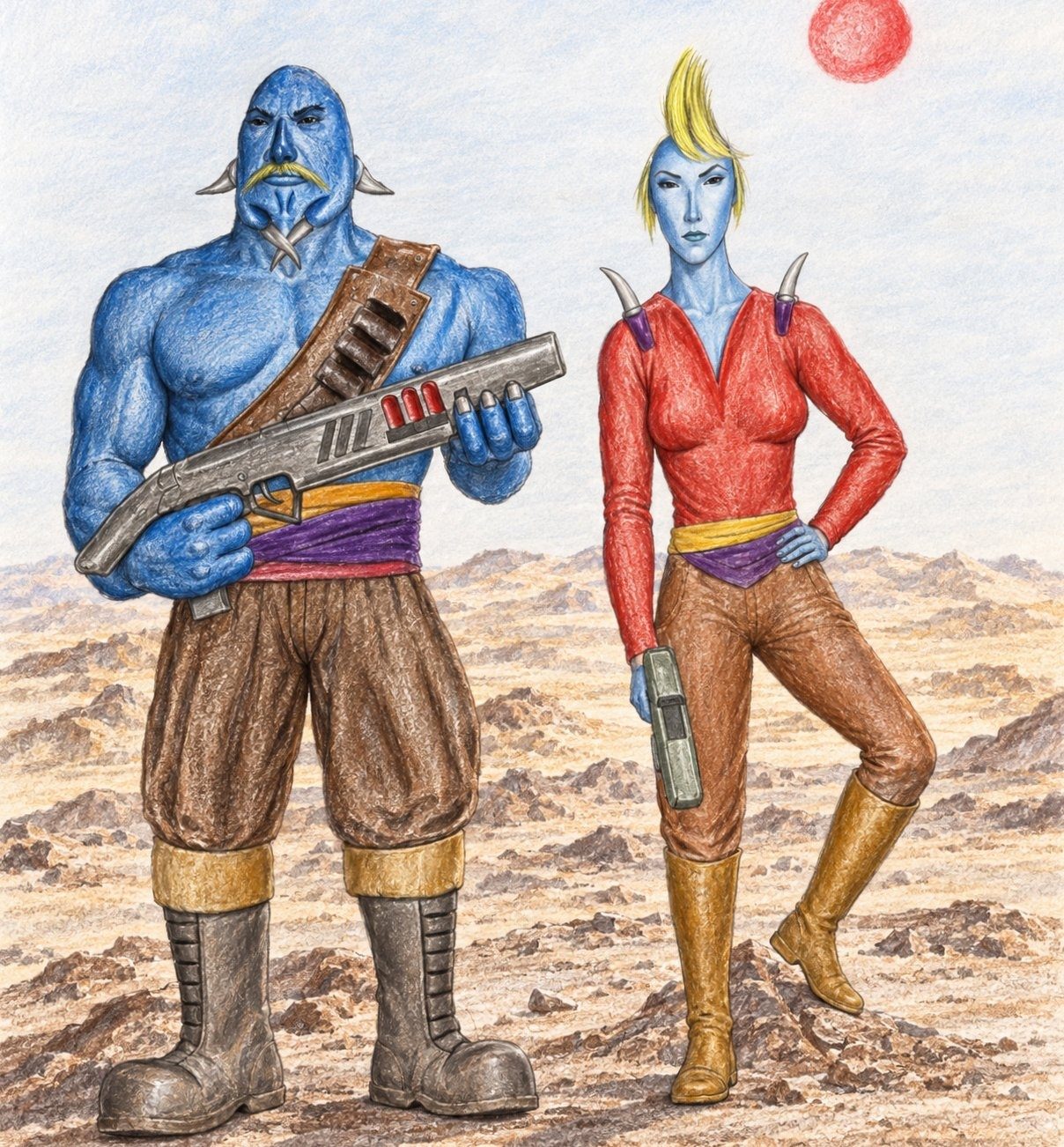
An uncivilised race of the galactic south, bred by the Star Wanderers as a fighting force and altered to breed faster. The Drags overthrew their gods and tore sector P-4 into warlord kingdoms, where the strong own the weak and cartridges serve as money.
 RACE · 160
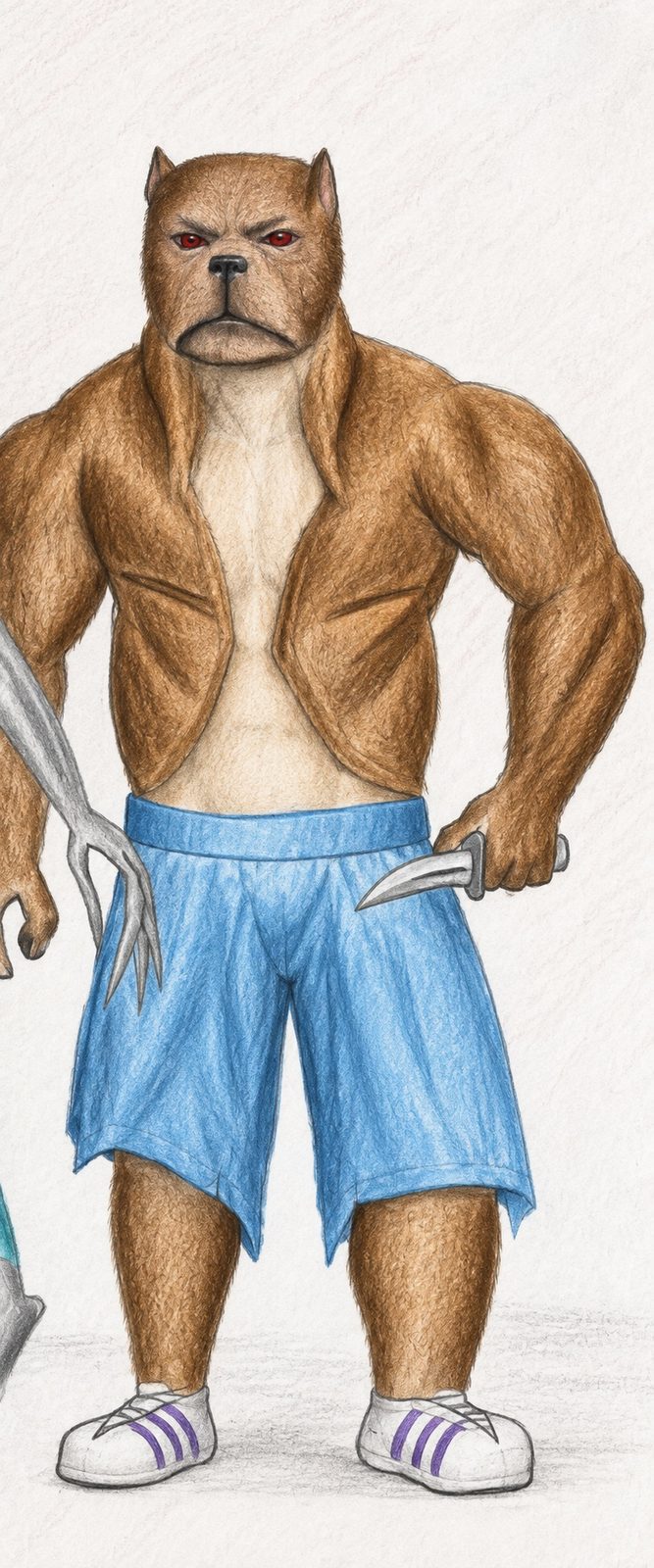
An aggressive four-armed race of the southern sectors for whom nothing matters more than a plot of land. Land is scarce at home, so the Shchekits leave to earn money abroad — in gangs, cults and Surditary hosts — anything to save up for a holding of their own.
 RACE · 161
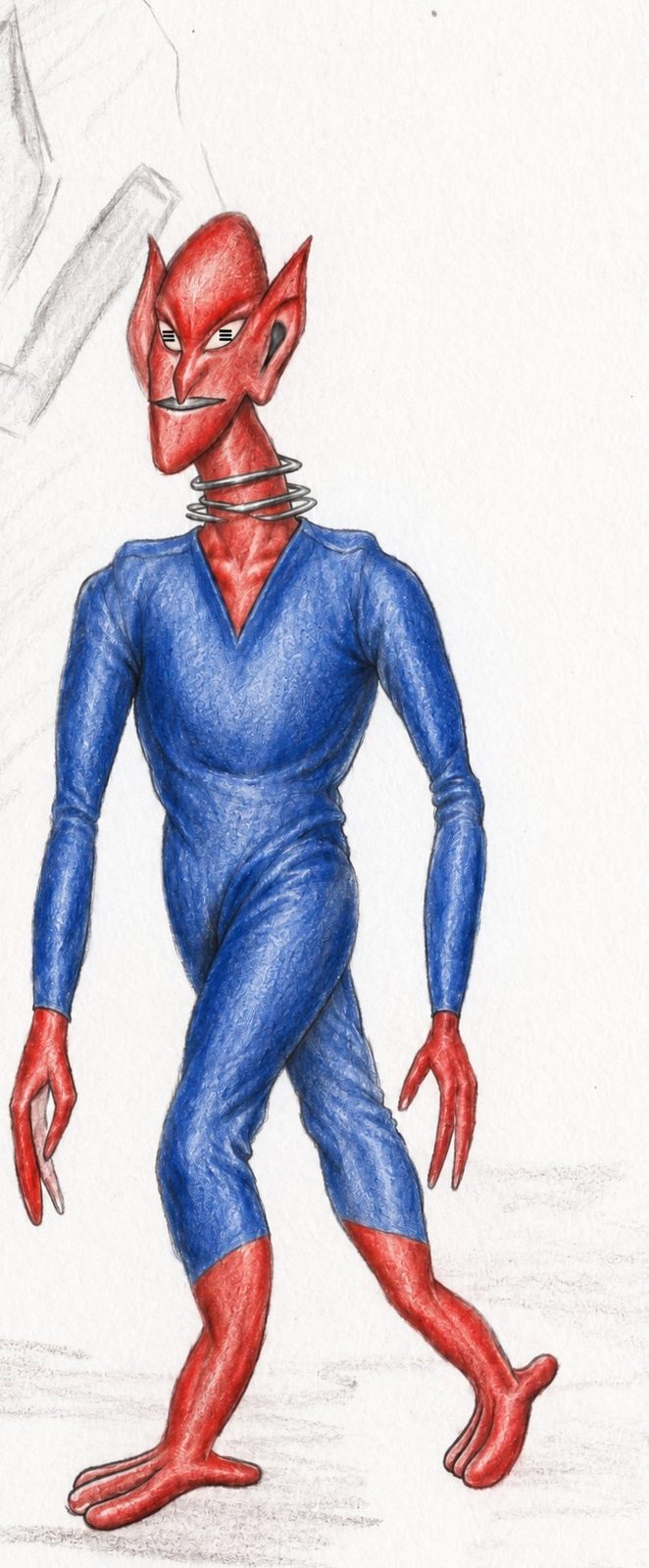
A brutal race living by a cult of strength: the weak have no place here except as slaves of the strong. The Surditary, who once wiped out a third of the Bulvers, are revered by them as gods — and gladly take Bulvers as fighters into their gangs.
 RACE · 162
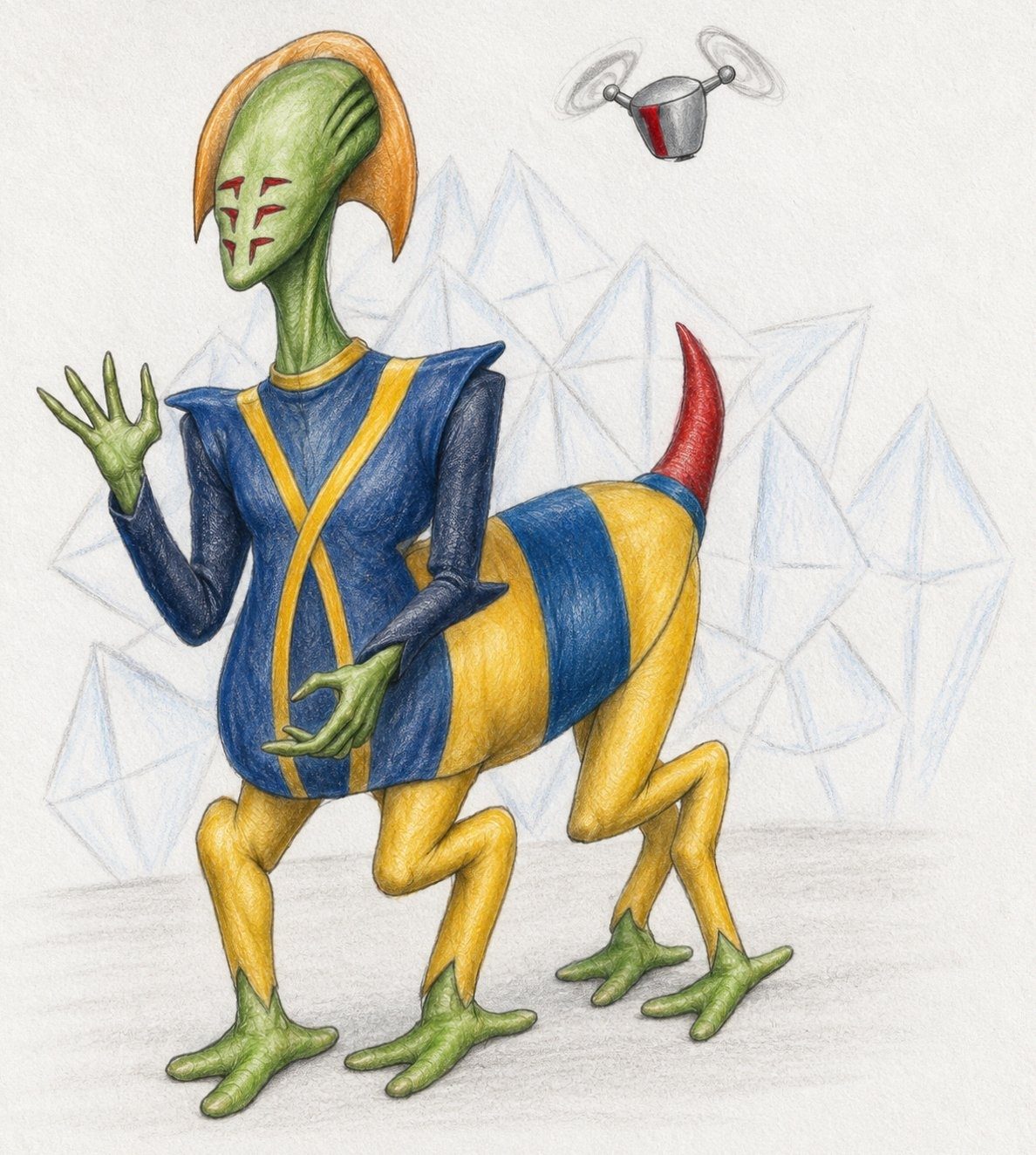
A numerous, cunning and cruel race of the southern sectors that sits at the very bottom of the Surditary hierarchy. They are thrown into battle first, their chiefs sell them into service for weapons, and Bulvers are not above eating a Snizer in the most literal sense. Every Snizer dreams of serving out a contract and living free. Very few manage it.
 RACE · 163
A closed race from sector N-12 that denies individuality. Implants in every brain read thoughts, and if those thoughts stray from the goals of the ruling Yuti-Kaa, the mind is "sterilised" and rewritten. The Zherkyet speak to the outside world only through the Sanahaz — and their technology is worth a fortune on the black market.
 RACE · 181
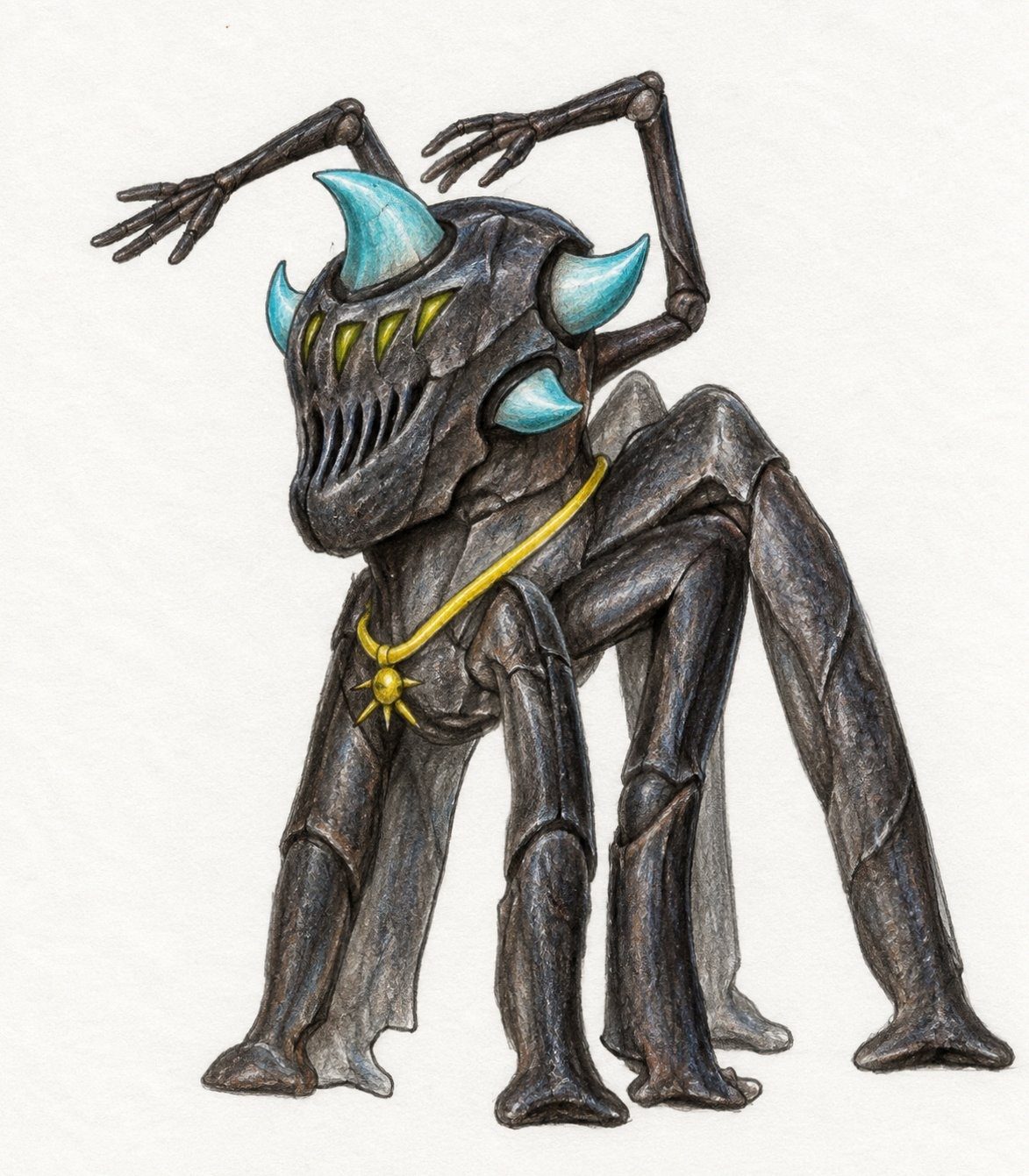
A very strong race from the galactic centre with a bad reputation. The Tukapau live on dark worlds and in the lower tiers of cities, eat only living prey — their religion forbids eating the dead — and are often found in underground gangs. Even their mating ritual not infrequently ends with the death of one of the partners.
 RACE · 193
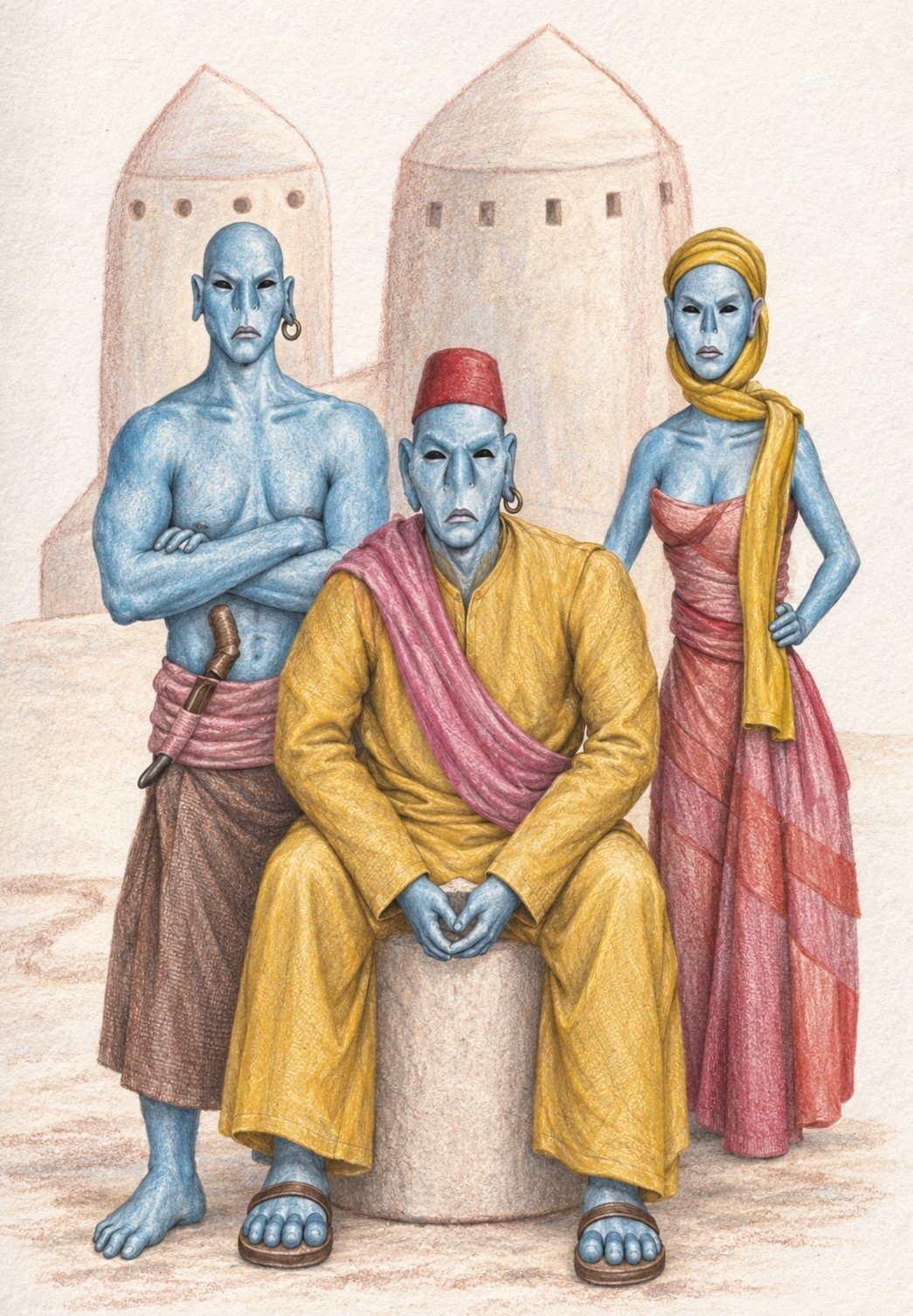
Herbivorous humanoids with superb hearing who live in vast farming villages among flooded fields. Their society is split into clans led by elders and forever at war over land — so even the sowers go armed. A Zuzhuros earns an earring for every 25 years of life, while the meat-eating pirates wear two from youth.
 RACE · 431
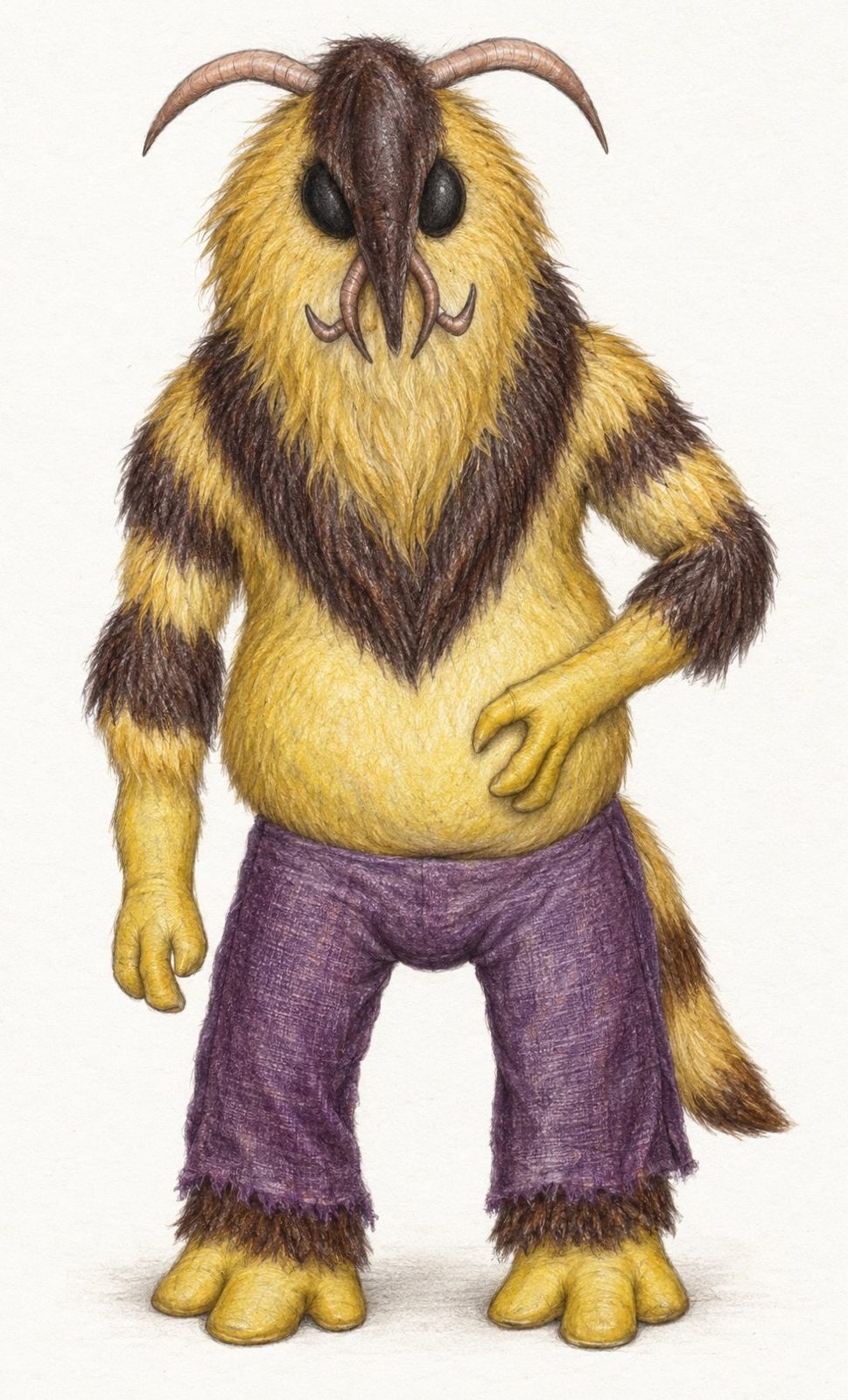
A small race of hermaphrodite farmers living in close-knit communities. Their milk acts on many other species like a powerful drug, and drug cartels eagerly buy it up despite the bans. And every spring the Shvars settle the roles in a pair in the arena: the winner fertilises, the loser bears the young.
 RACE · 451
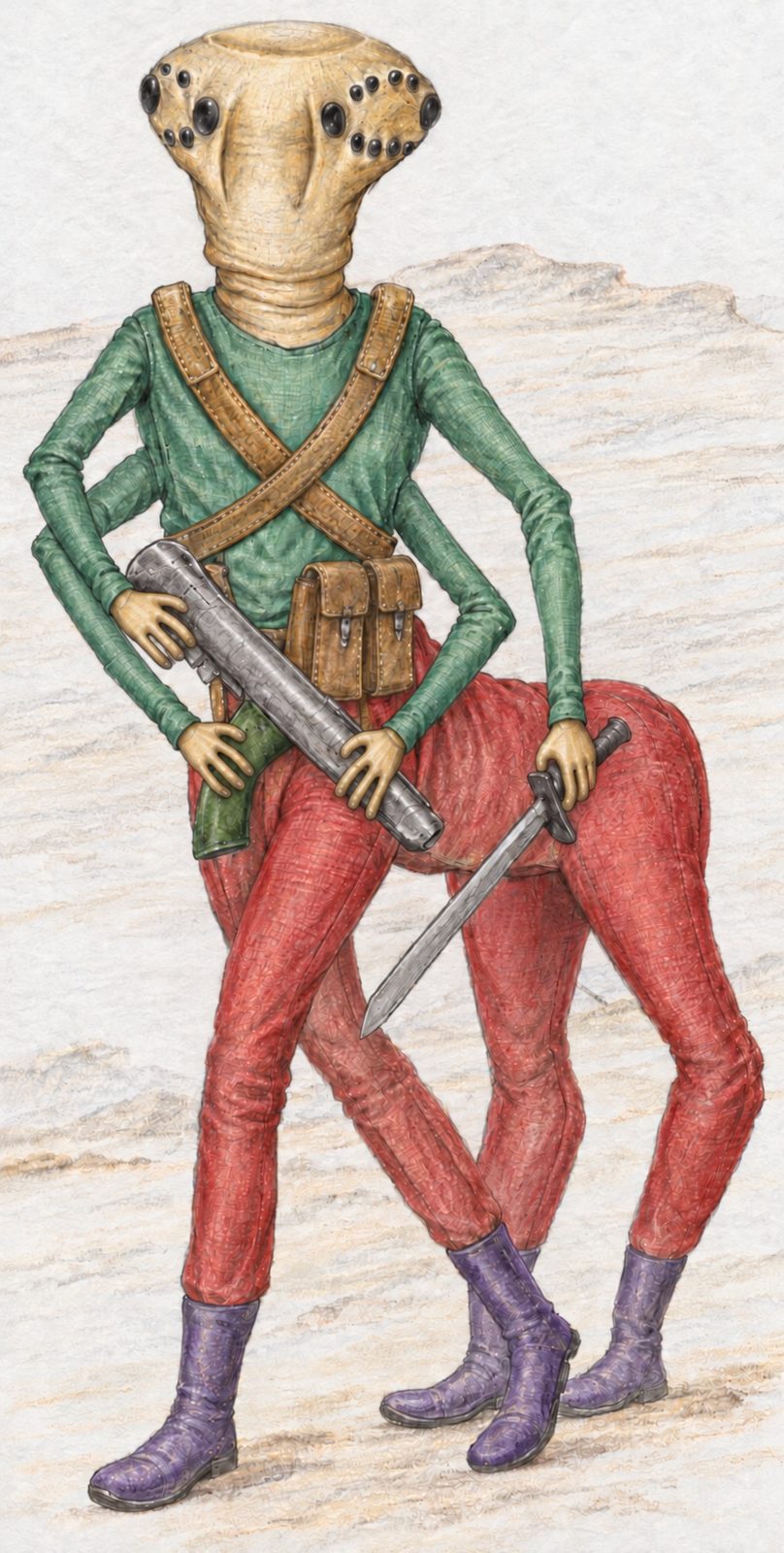
A nomadic race of sector P-6 whose whole purpose in life is constant movement and the search for new pastures. Long ago their herds built walker-cities that locked together at night into a fortress against predators. The Tutsiys still live in huge herds: you rarely meet a lone Tutsiy, and only the chief may speak to strangers.
 RACE · 452
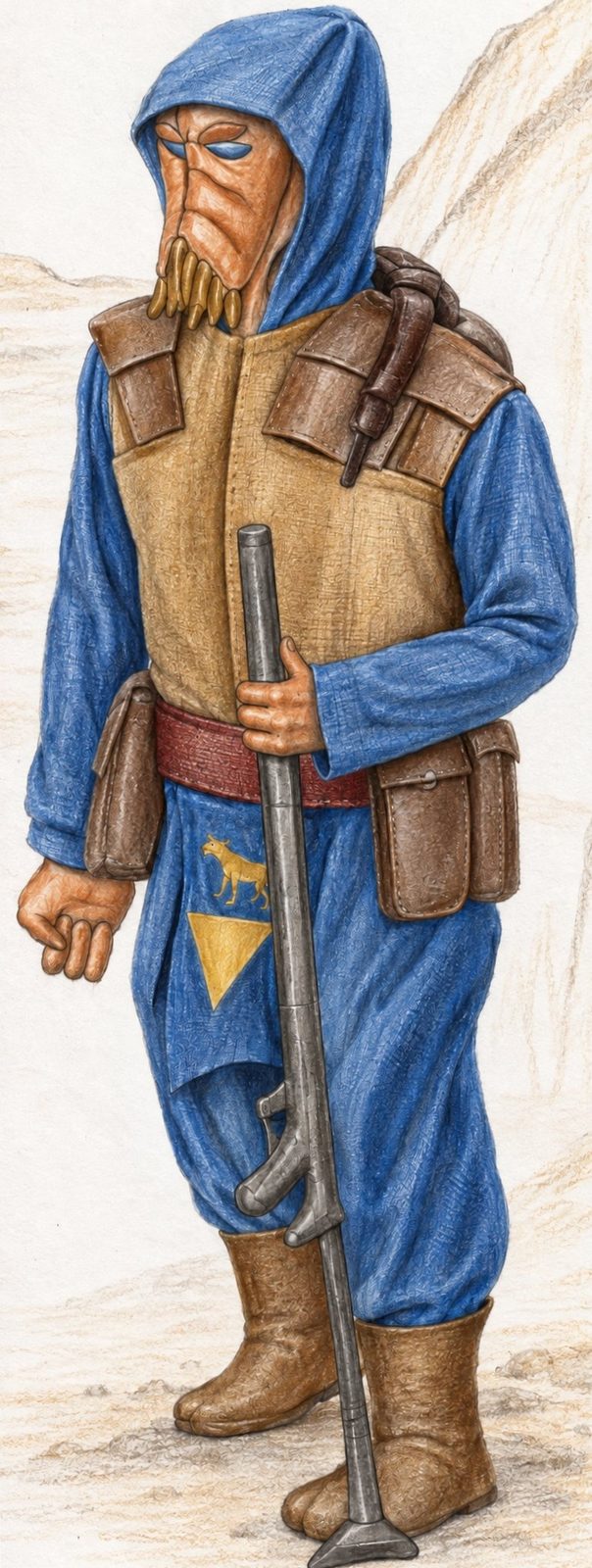
A mysterious and warlike civilisation of sector P-6 bound by a code of honour. The Sarkatts never take off their hoods and are known as superb soldiers, yet they will not shoot the unarmed or the weak. A Sarkatt will give water and food to an enemy dying of thirst — and may harm him only once he has left the Sarkatt's home.
 RACE · 453
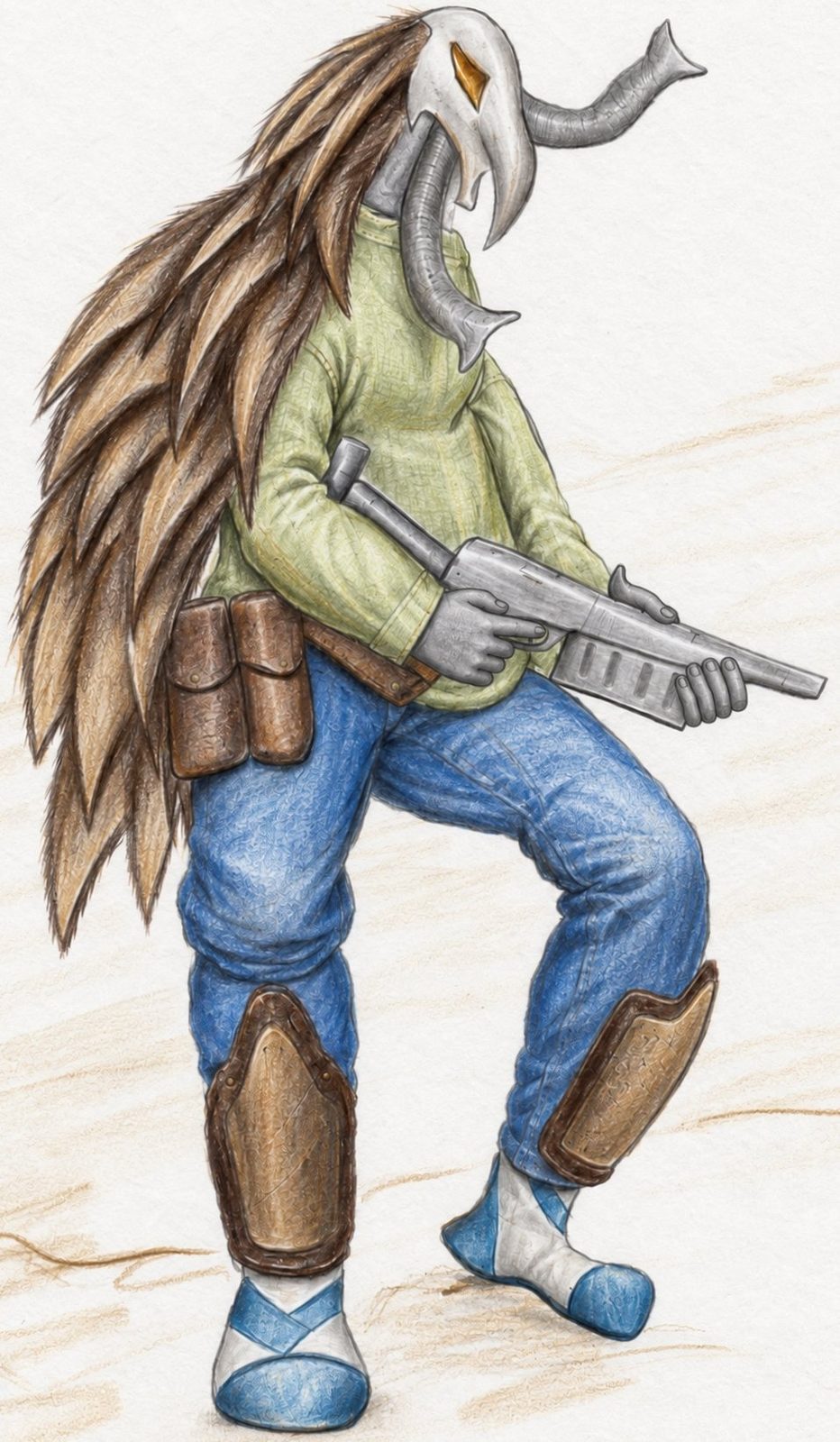
A race of loners from sector P-6 whose backs are covered in sharp feathers. Each Dirobran holds a territory of its own and meets its kin only to mate. Centuries of internal wars made them good fighters, and employers readily hire Dirobrans as mercenaries despite their bad name.
 RACE · 443
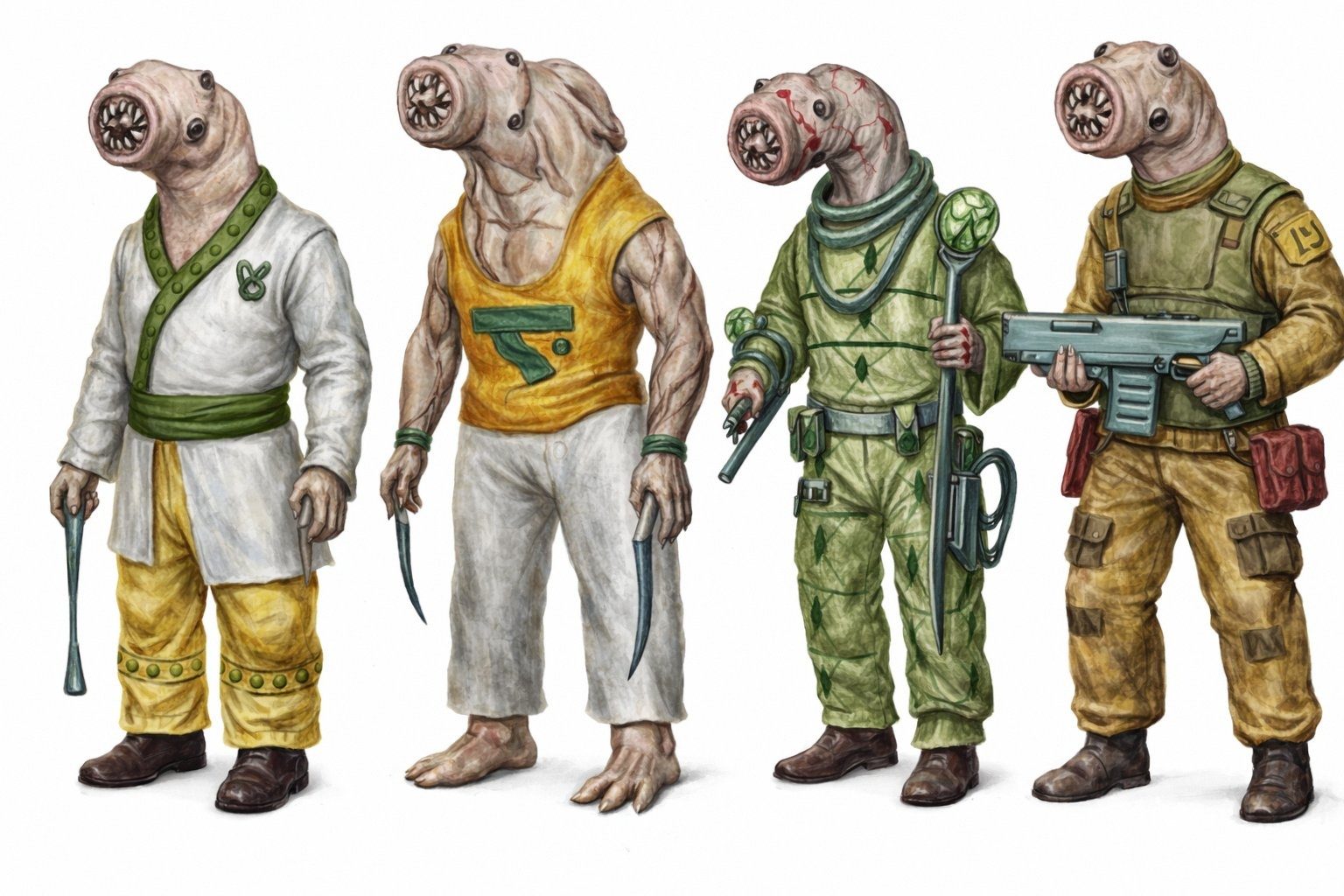
A four-eyed race close in build to the Tsai. The Chefs eat live or freshly killed prey, do not shy away from the flesh of sentient beings and are almost immune to radiation. Their society rests on harsh racism, and under international classification they are recognised as a parasite race subject to extermination.
Browse the full race catalog →
The largest political entities of the archive and their status.
An ancient warrior race of overlords that has kept its old grip and territories. It relies on Ypry warriors and slave races; few in number (1–3 million individuals), but they hold their satrapies and vassal worlds with an iron fist under the cult of the supreme Shyytar. Practical and merciless — territory exists to turn a profit; ecology and slaves concern no one. Notorious for their cruelty.
The most ancient underwater superpower, which held a vast empire even before the Great Empires of Antiquity; it helped raise up many aquatic races to civilization. It rules from the underwater capital of Volias through Rinzagi intermediaries, under the cult of the Great Vood. It conducts land affairs through governors; its chief goal is the restoration of the underwater empire, and the war for the seas never subsides.
A race mistaken for friendly fat men — in reality cruel, vindictive, and calculating, ruled by the Great Belly and a belief in their own divine election. Master genetic engineers: they bred slave races (the Aravionty — the backbone of their armies — the Kerverreyki, the Gurii). They wage long wars of “softening” — sabotage and Furdan cults — followed by direct invasion.
The IA is an amorphous formation uniting several major powers within itself. To understand what the IA actually is, one must know the history of the Novolyudi race. The Novolyudi are a race that was once human.
A large state, technologically lagging but still powerful.
A human state that considers it critically important to preserve the purity of the human race. They are racists, and very few can rise to the highest positions in the hierarchy.
The Wanderers arose as an ideology in the galaxy M-14; their chief goal was to unite the galaxy's races into a single structure — the society of the Wanderers, headed by the Supreme Council.
A merciless conglomerate that sees meaning only in war and the annihilation of others.
The Galactic Union of Races — the GUR — is a conglomerate of numerous races brought together into a single state.
Key milestones of three millennia of expansion.
About 30,000 years ago, two Great Empires of Antiquity arose. Both were human, and developed in parallel for a long time. This era is considered the galaxy's golden age, though views of it are mixed: the Empires were harsh, authoritarian states. Even so, their level of development is now thought to have surpassed today's.
In the time of the Great Empires, about 15,000 years ago, an invasion of the Ancients took place. It was repelled — moreover, the Ancients themselves were almost completely destroyed at the time.
Year zero — the last year of the Great Empires' existence — is taken as the starting point of modern civilization. It was then that the first major clash between the two empires took place, escalating into a full-scale war.
This war is called the Hundred Years' War: it lasted nearly a hundred years and ended with the massed use of the Virus Pandora by one side. The virus was an adaptive weapon aimed at humans and species closely related to them — and it soon turned against its own creators.
By the hundredth year, about 80% of the human population had died; survival was only possible through flight or isolation. The virus barely touched non-humanoids directly, but because of their subordinate position under the Empires, the catastrophe still collapsed the level of knowledge and technology across the whole galaxy. Thus began the Age of Oblivion.
The Age of Oblivion lasted around eight thousand years. The first two thousand years saw extremely slow recovery of technology, the revival of human states, and numerous attempts at unification.
The period is poorly studied, but it was then that the Surditar Dynasty, the Povody, and the Furdan Dynasty rose to power. According to the legends of these races, their roots reach back even before the Great Empires — as if they were in the galaxy before humans — but there is no reliable confirmation: the data is buried under millennia of wars and catastrophes.
It was then that these dynasties built major states in the south of the galaxy and spread their influence into neighboring sectors. In a certain sense, they still exist to this day.
The year 8,000 is often taken as the end of the Age of Oblivion — the date the Horde, the largest human state of the northern galaxy, was founded. Around the same time the Empire of the Golden Suns arose, taking a dominant position in the south. For the next two thousand years, both states would define the life of the galaxy's north and south.
About a thousand years ago, in the year 9002, the Infinite Alliance was founded — a progressivist human state markedly different from both the Horde and the Empire of the Golden Suns.
In this span the Star Wanderers arrived in the galaxy and began a slow, creeping expansion.
Over two thousand years, the Horde gradually advanced southward. The 9900s saw the start of an age of wars for dominance — meant to decide who would rule the galaxy. The culmination of Horde expansion came with the Great Campaigns: the last major expansion of the Horde, directed against the Star Wanderers and triggering a serious crisis within their society. The free states of the south ultimately repelled the onslaught — not only through resistance, but thanks to another cataclysm as well.
The war between the simbionty and the tehnokraty split Wanderer society and raged not only in our galaxy but in dozens of others. For their civilization it turned into a catastrophe: in their home galaxy, M-14, the Wanderers were effectively destroyed by the Ancients — their longstanding enemies. Having outmatched the Horde and every other galactic power for many years, the Wanderers were defeated and withdrew into a long recovery, leaving a vacuum in intergalactic politics.
After the fall of the Wanderers, the Ancients invaded the galaxy around the year 10,010; the Wars of the Southern League began at that same time. The Ancients formed alliances with a number of southern states and dynasties, creating the Southern League to stand against the Empire of the Golden Suns and seize the south. There were four Wars of the Southern League in total, and the League expanded noticeably to the north.
But the old southern dynasties — the Surditar Dynasty, the Povody, and the Furdan Dynasty — refused to serve as the Ancients' puppets and struck a separate peace with the Golden Suns. In the end the Ancients and several of their armadas were destroyed, granting the galaxy a brief respite.
In recent times the Ancients have returned once again — this time with a super-armada, the Seventh Armada. Its target is once again an attack on the Empire of the Golden Suns.
Here the chronology reaches the current timeline: right now, the Great War of the Golden Suns is under way.