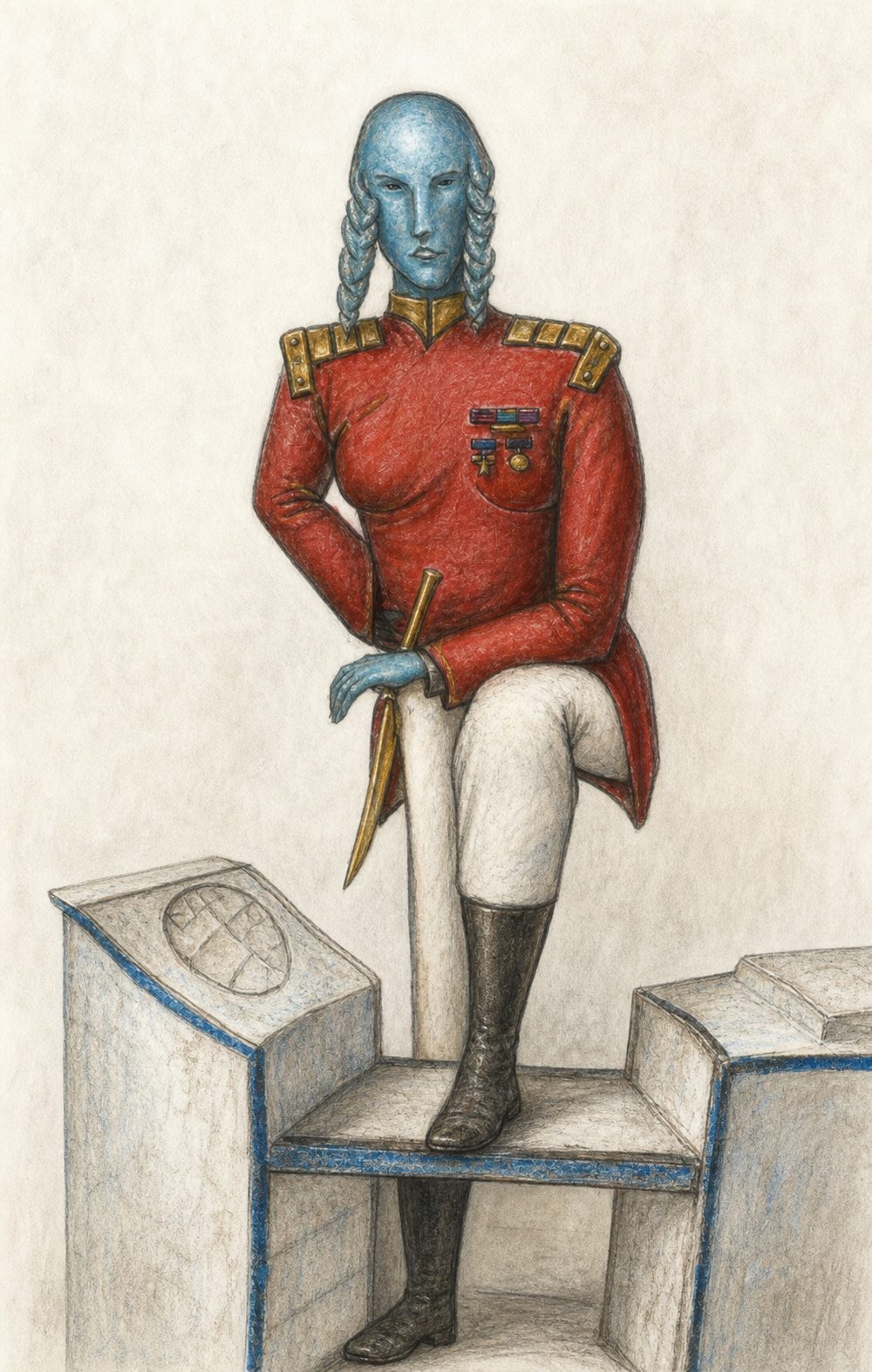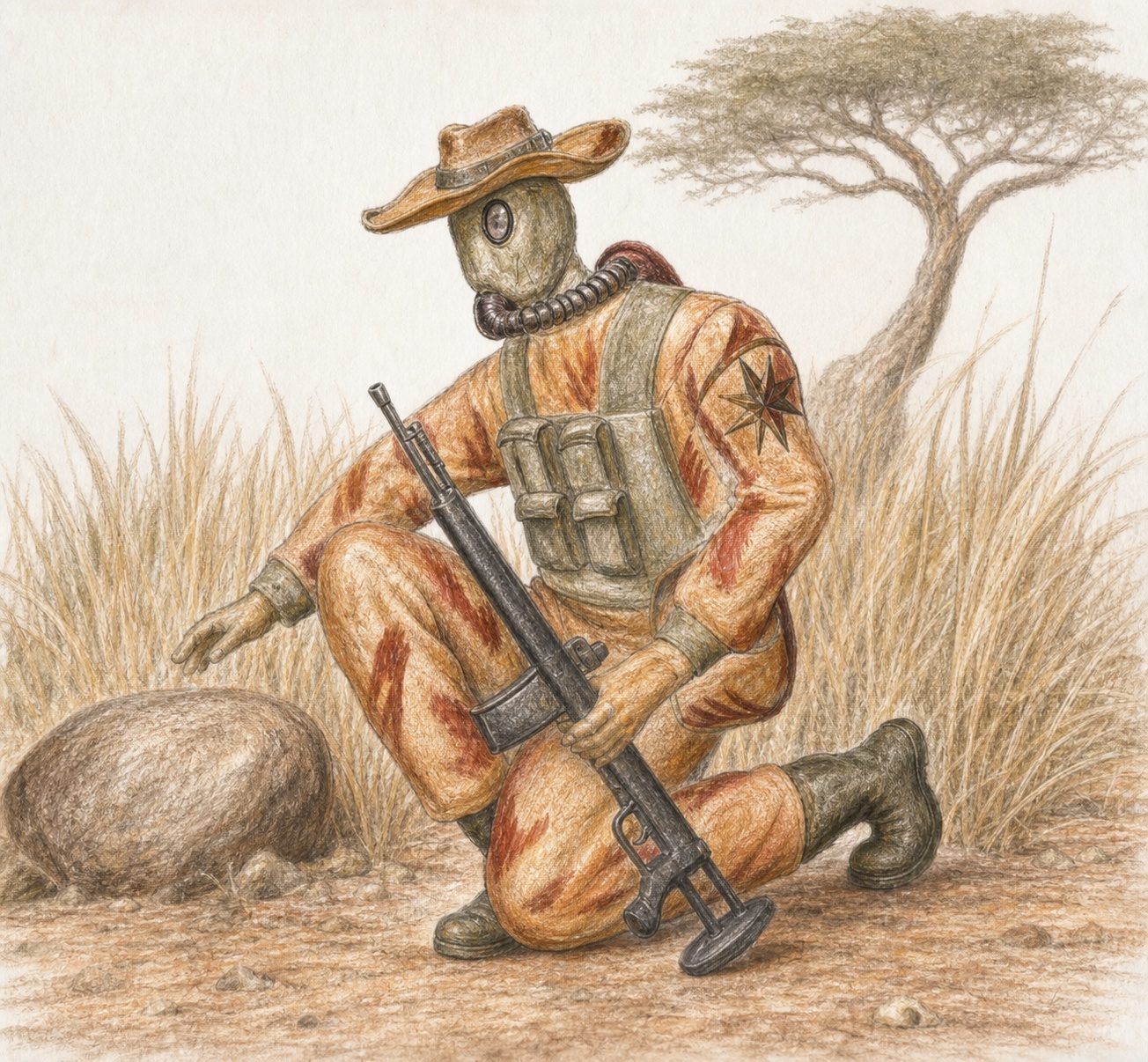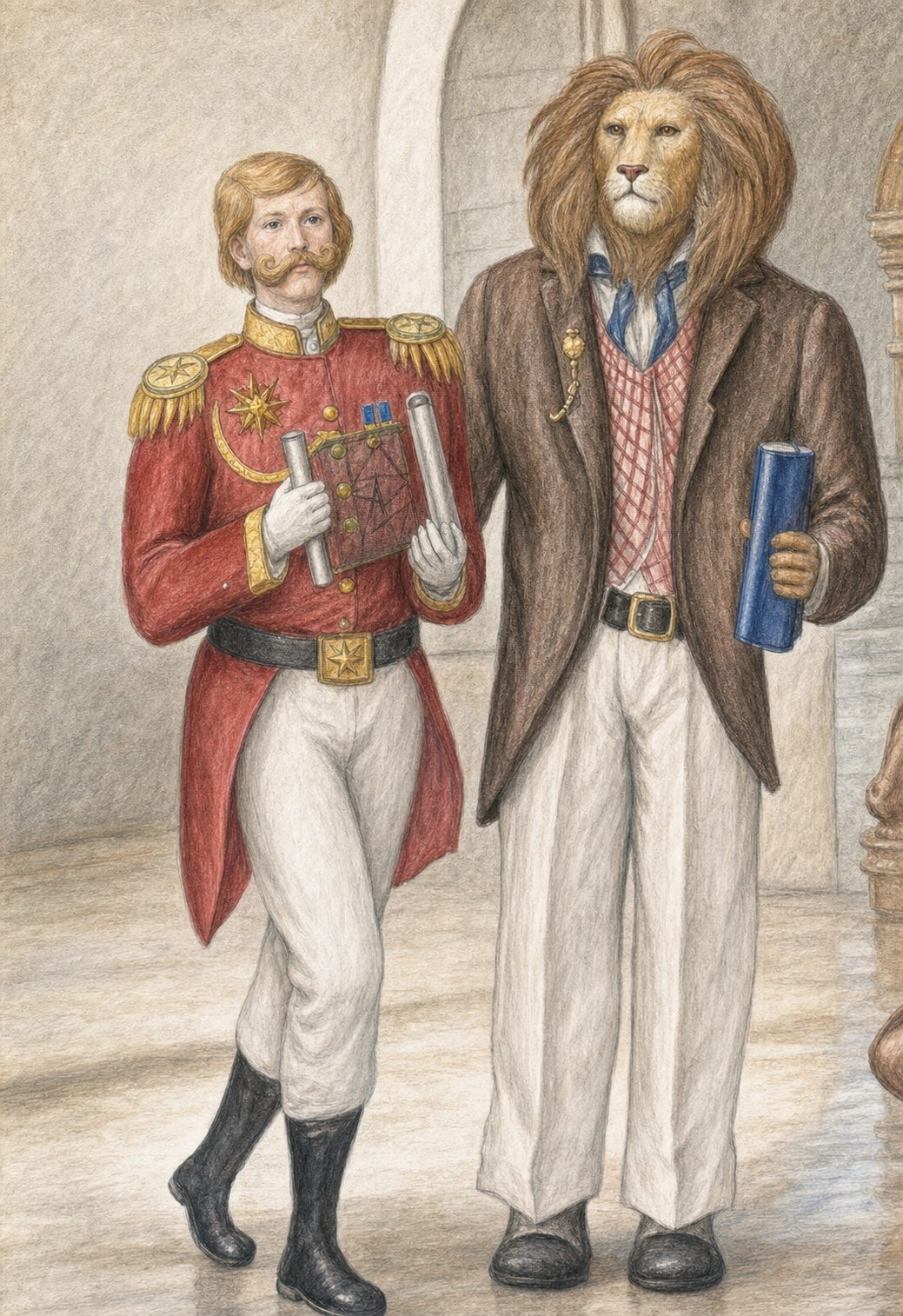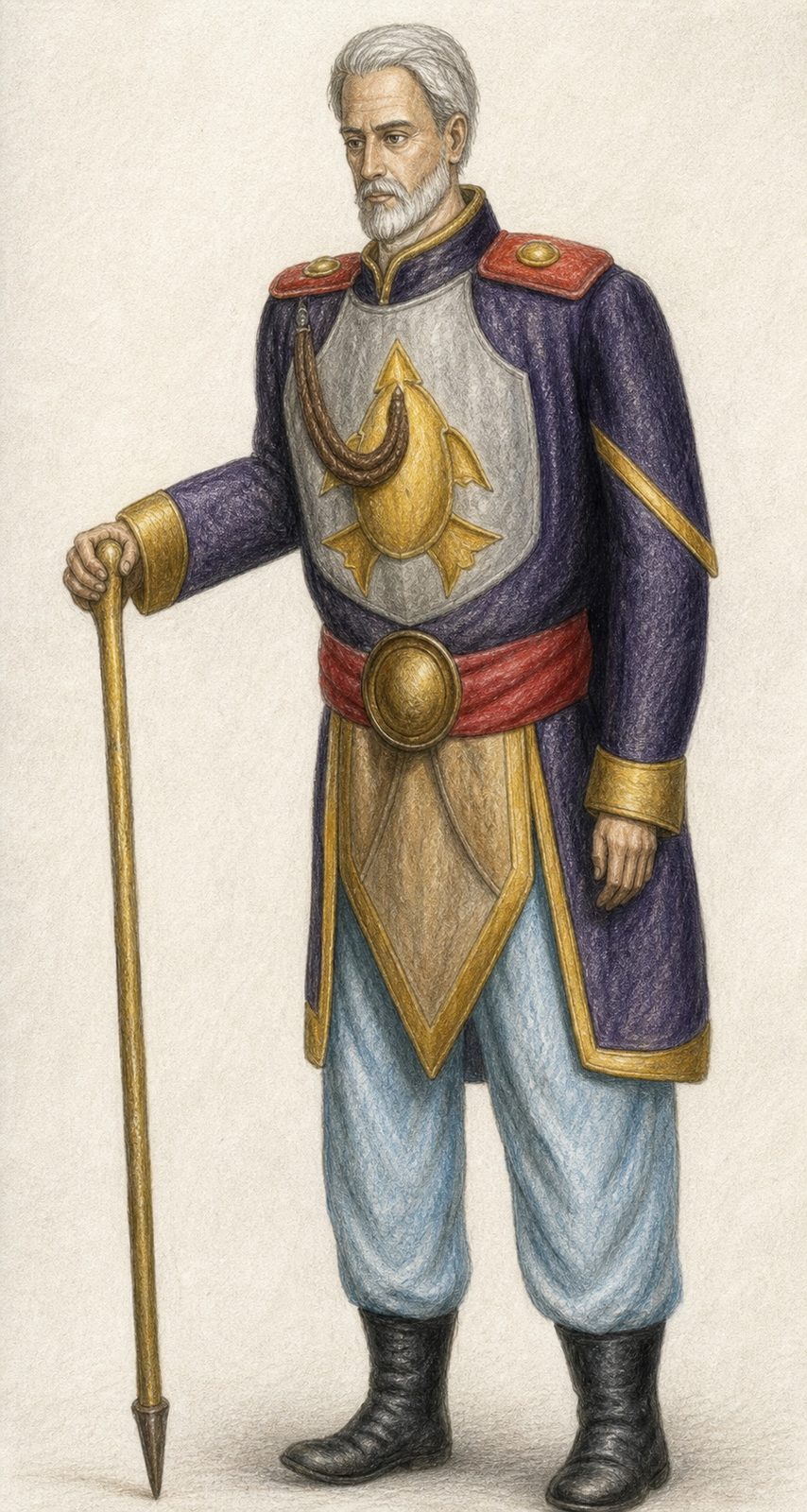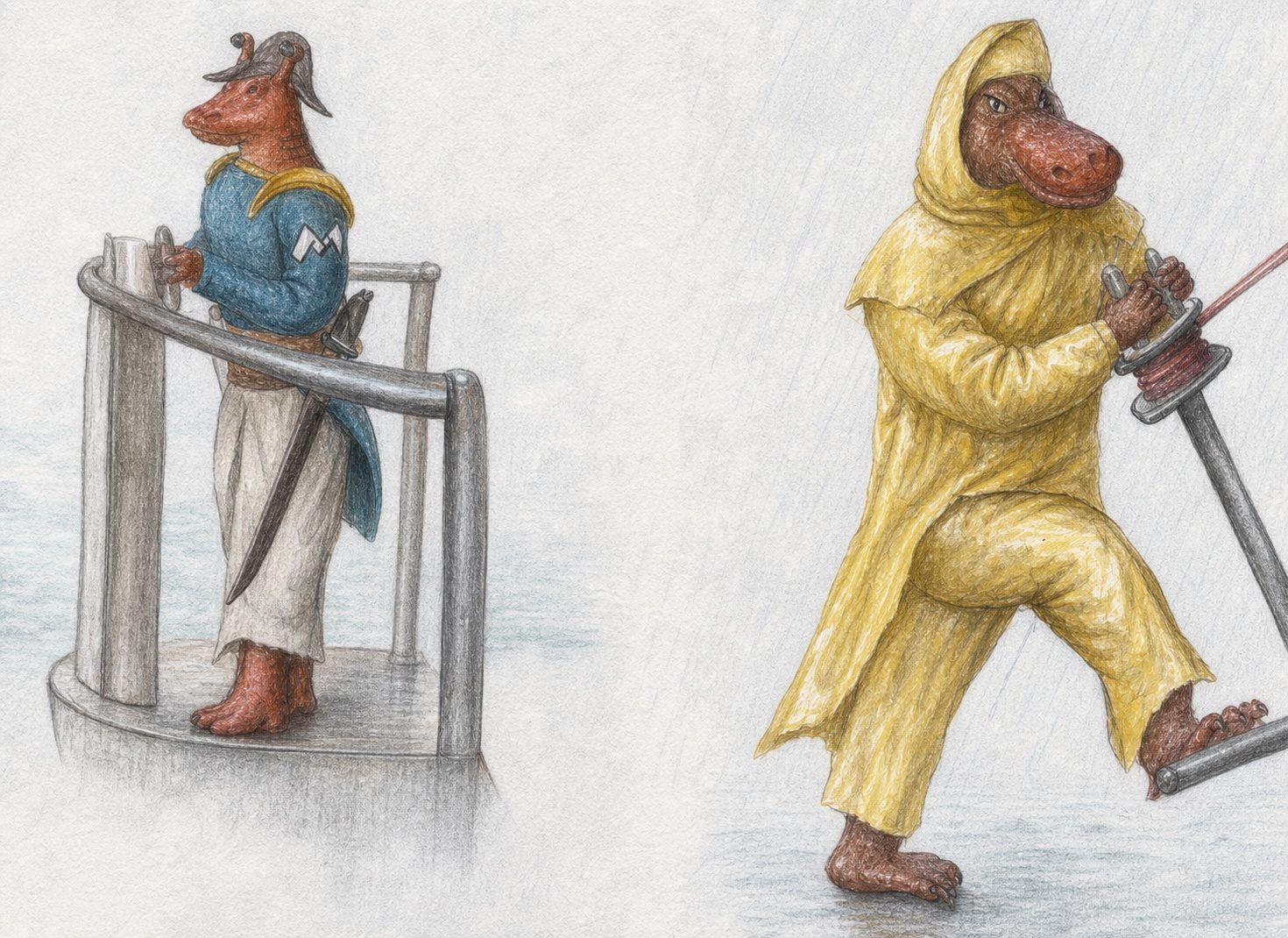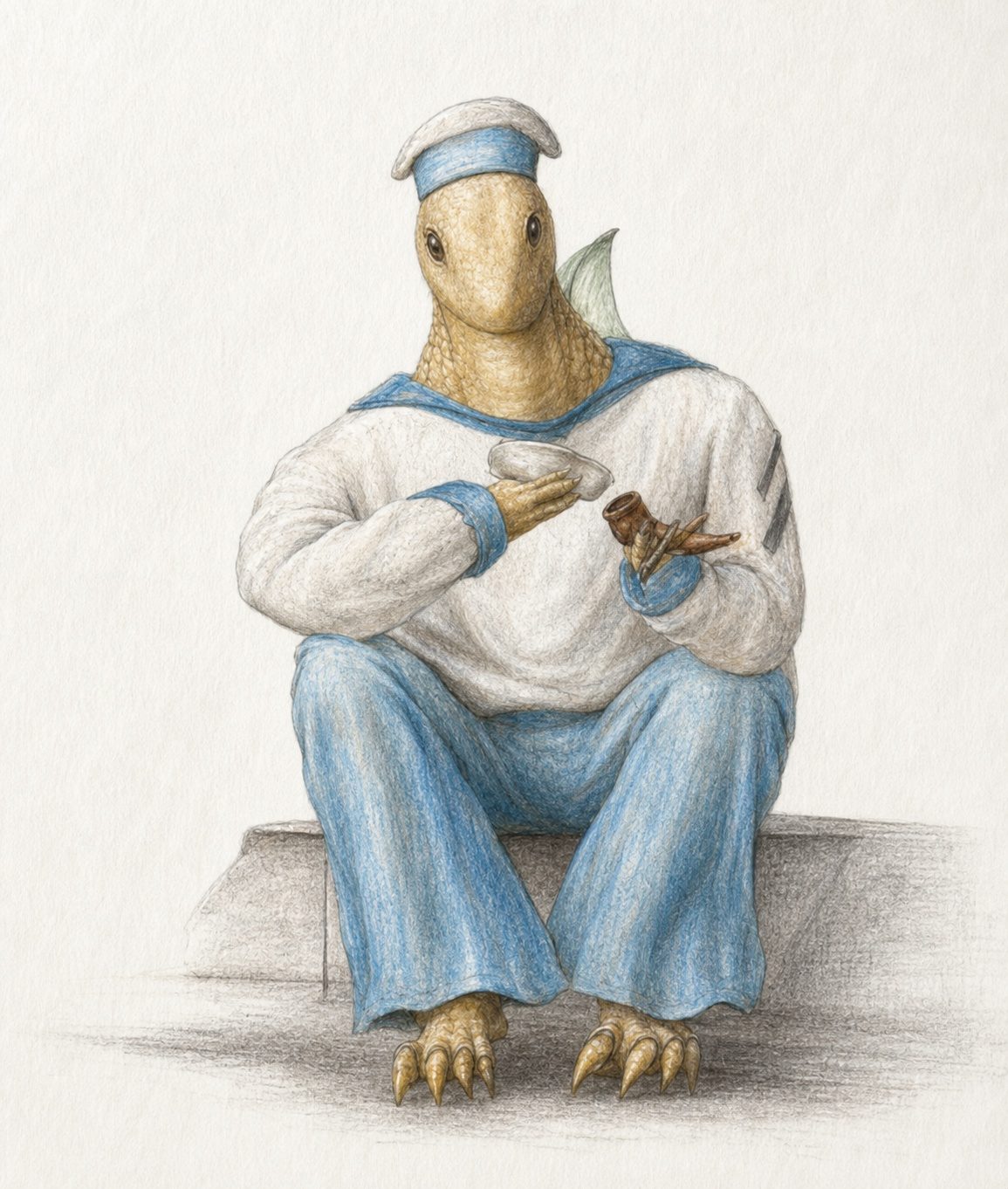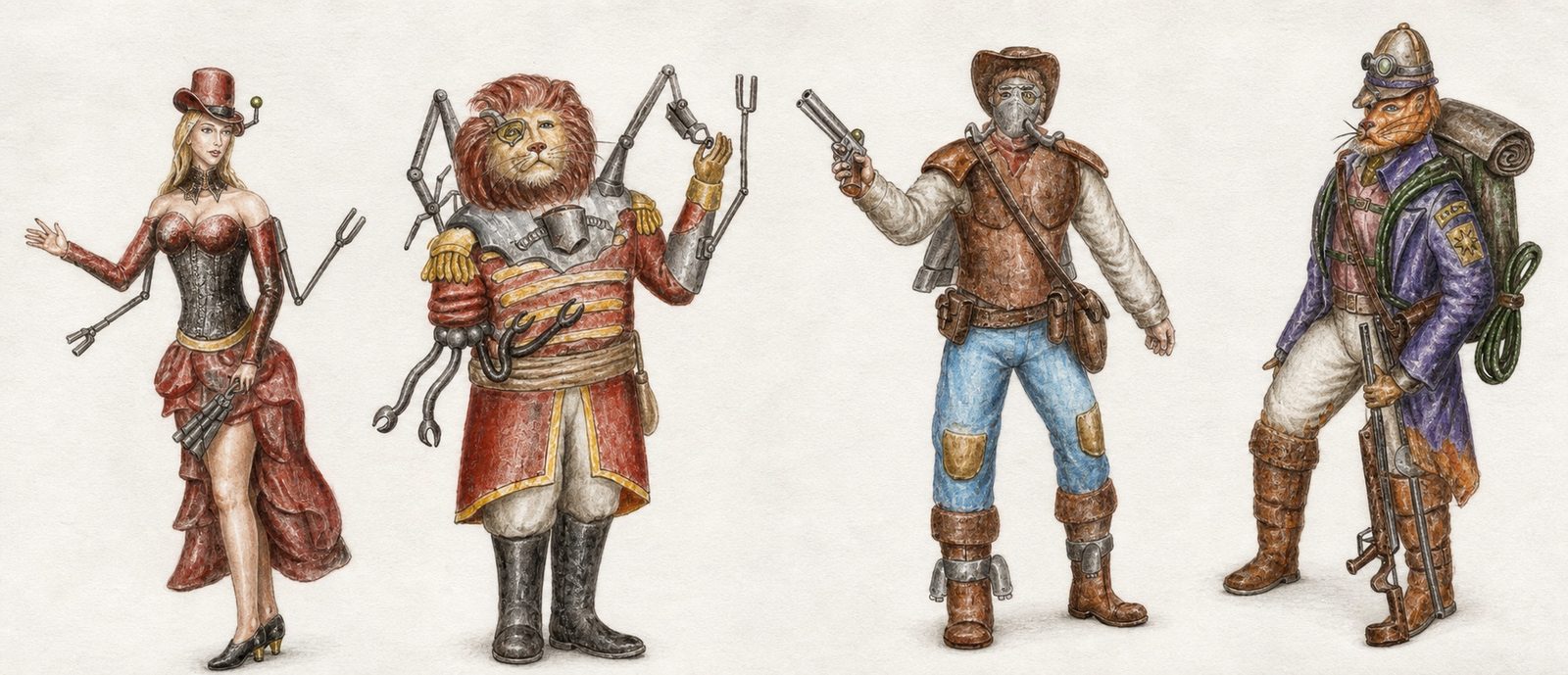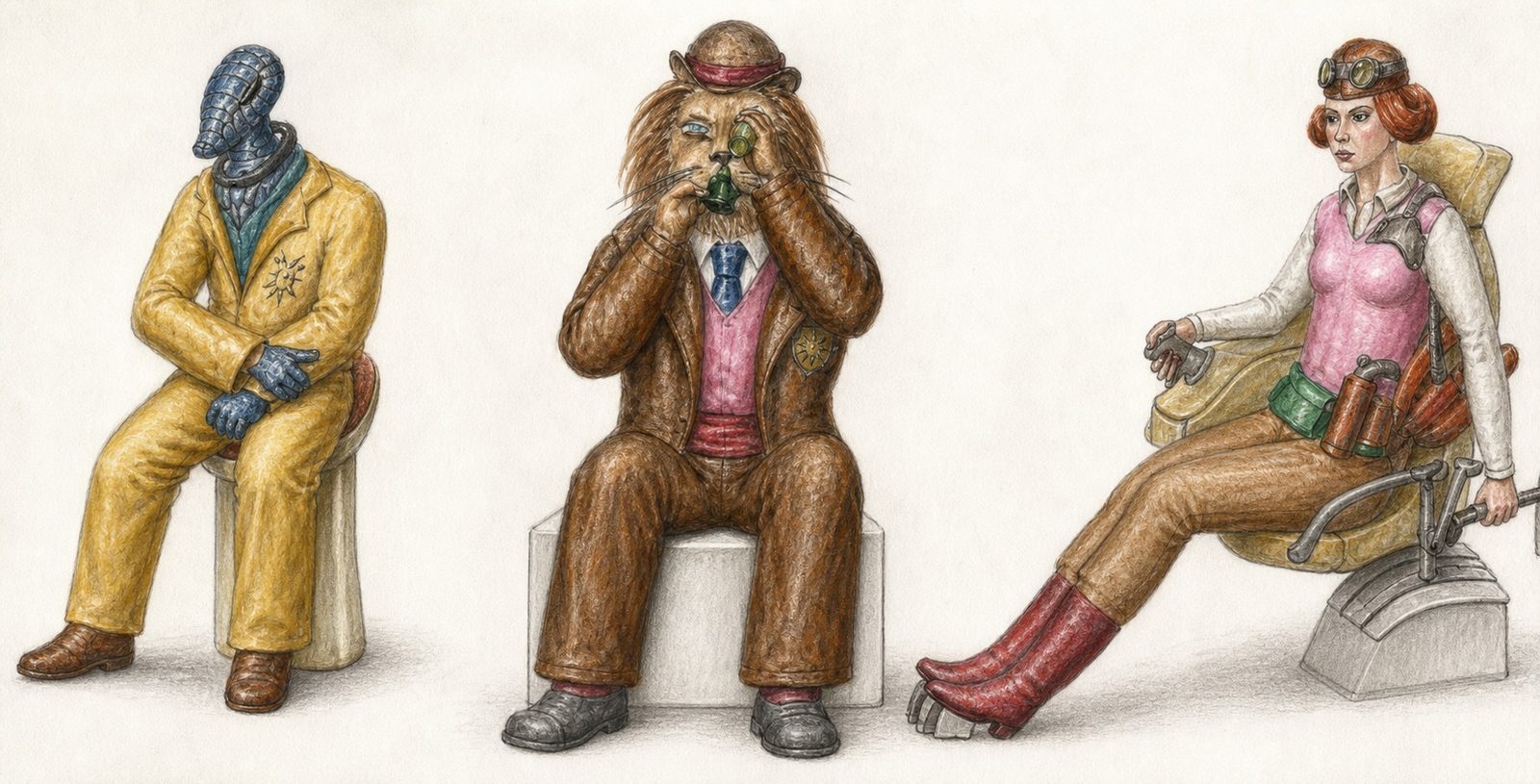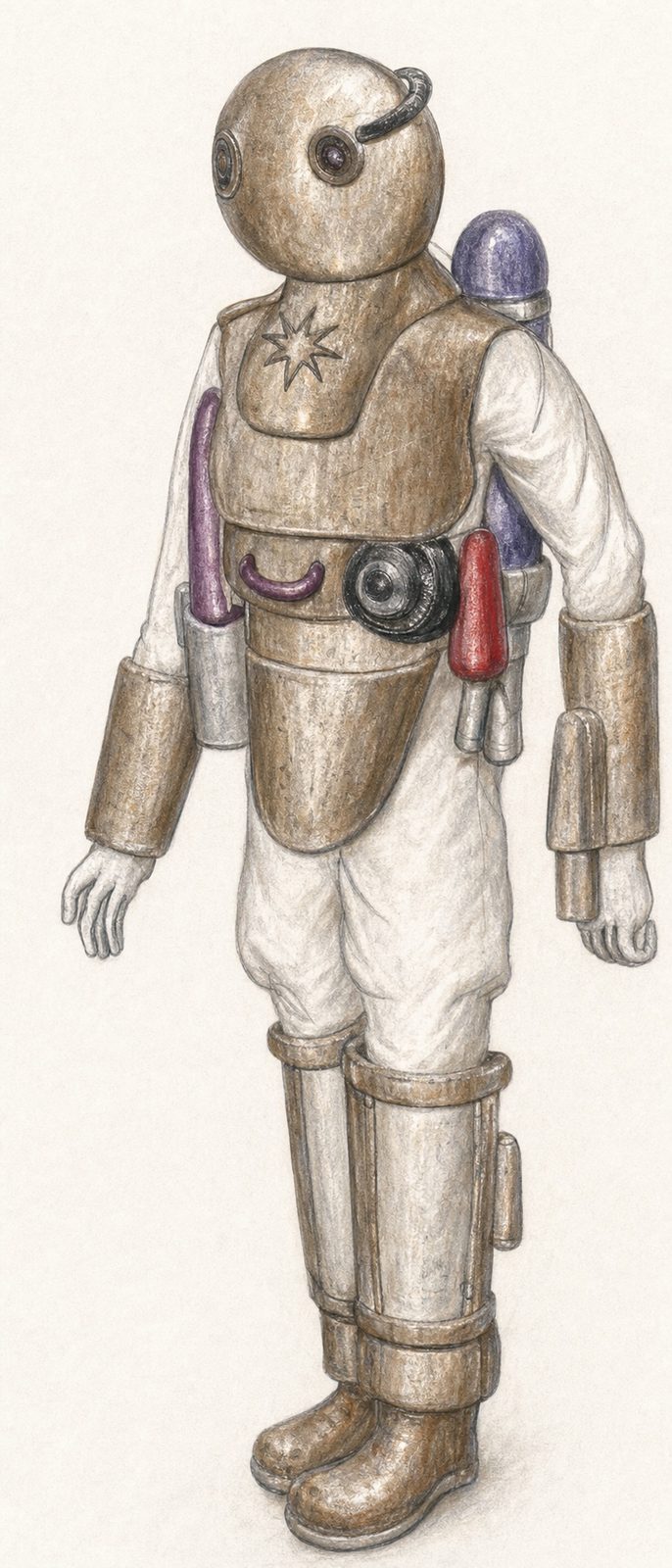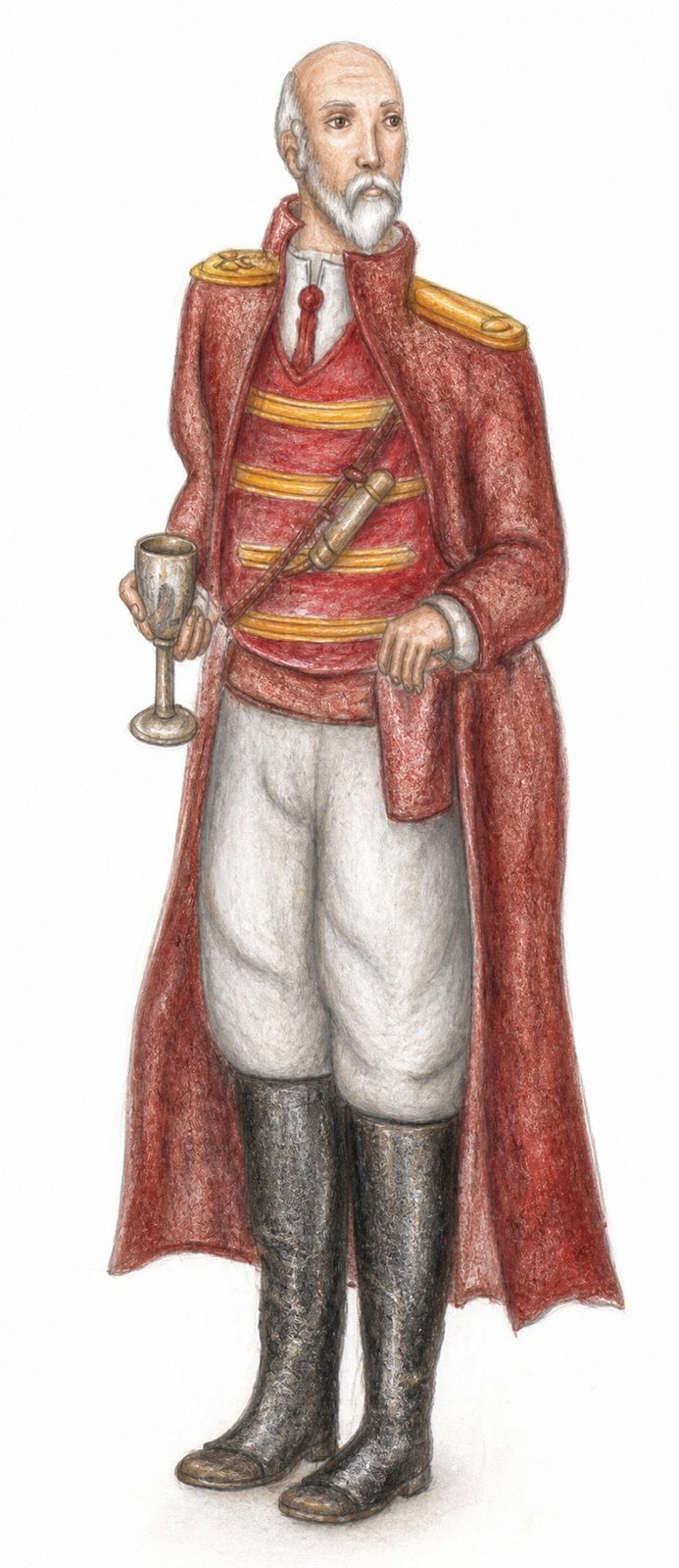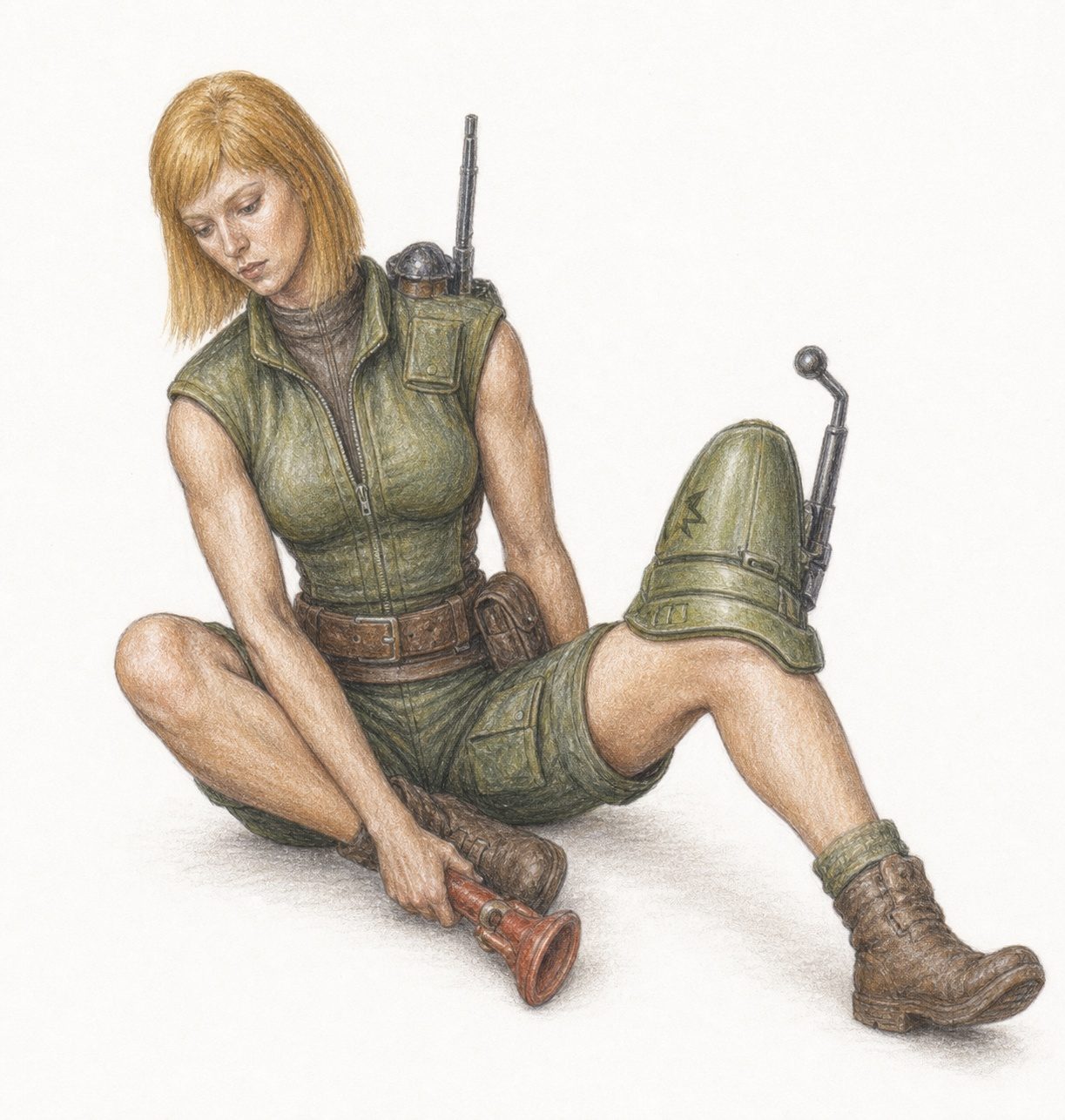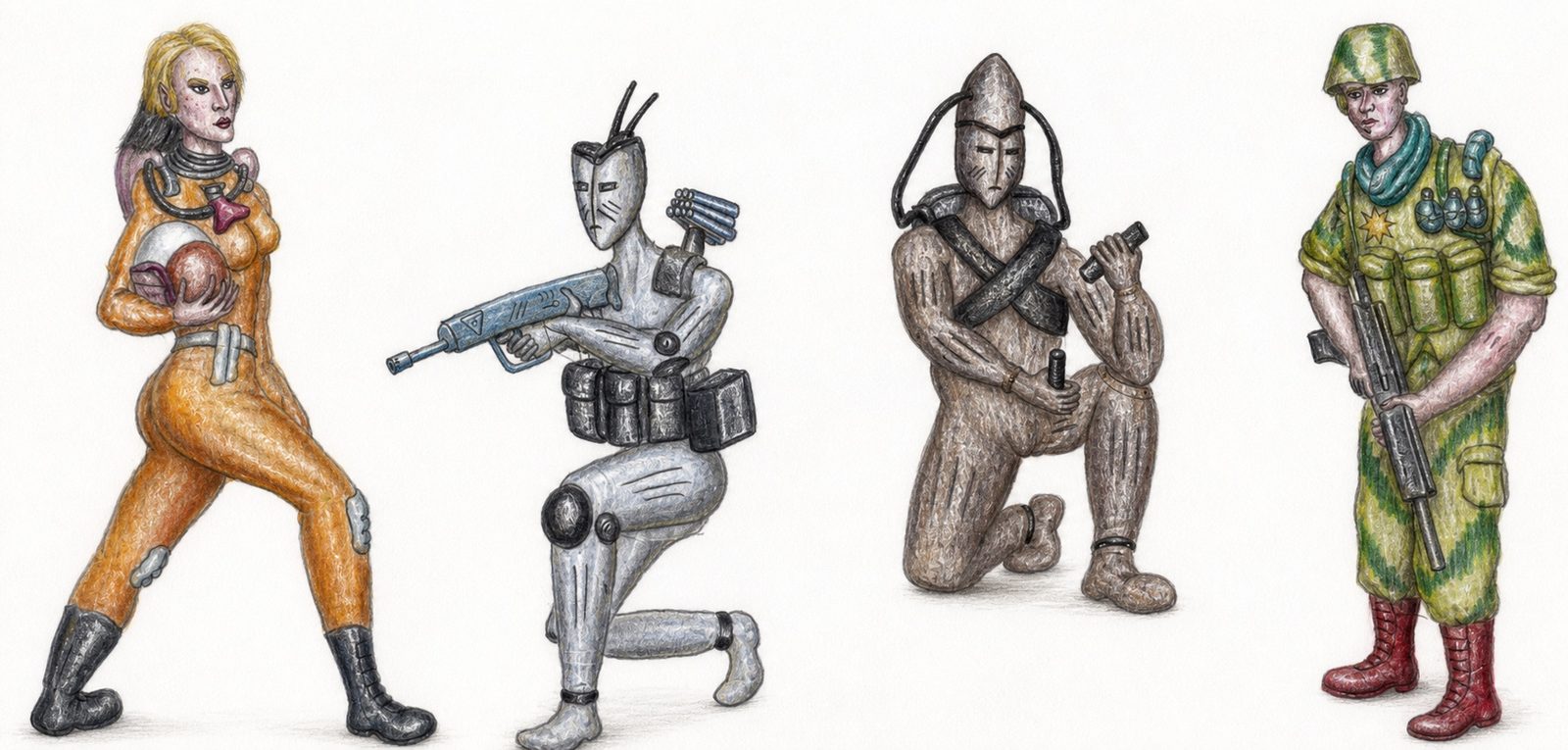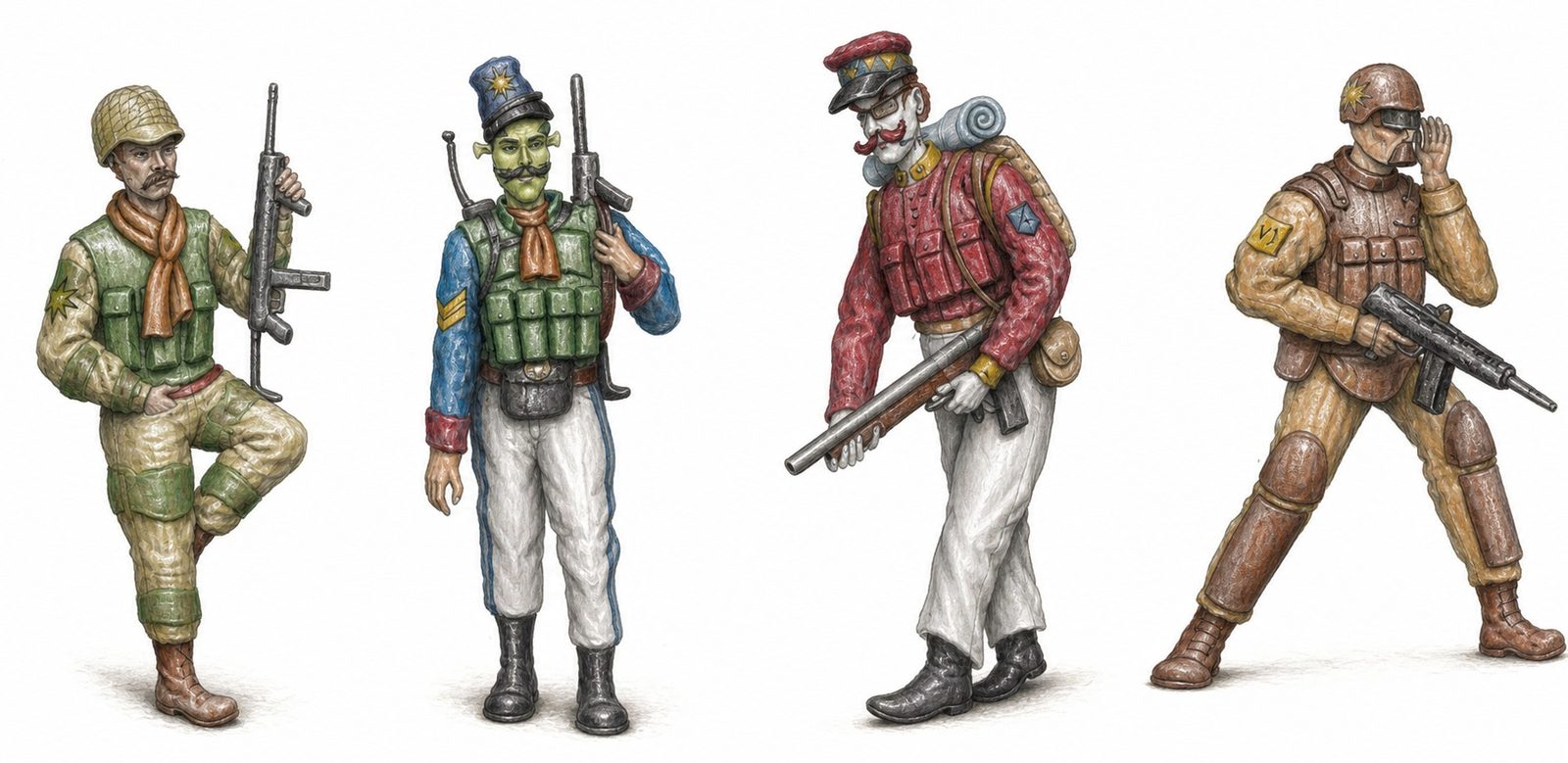
The EGS social pyramid looks as follows:
Influential families (hold a seat on the Consultative Council)
Strong families — own at least one system
Minor families — non-hereditary aristocracy, various industrialists
Citizens (sometimes referred to as the aristocracy)
Non-citizens
Slaves
The EGS is a country sharply divided by social and financial status. One's standing in society depends very heavily on birth. For instance, if you are the son of a citizen, every path is open to you — every path, that is, except those that require a higher status, such as the elite institutions reserved for the offspring of influential families. Different strata of society have almost no contact with one another. For example, the path to becoming a fleet officer is closed to ordinary commoner citizens. For them, the best choice is a career in the army or in civilian structures. The life of non-citizens is harder still — the overcrowding, poverty, and unsanitary conditions of the working quarters have become proverbial. The only way to escape this poverty is to join the army, the fleet, or a distant expedition. Slaves are denied even these opportunities. Assigned to the hardest labor, they live in the worst parts of the working quarters. Nightmarish living conditions and constant hard labor make their lives fairly short. Numerous cults and criminal syndicates flourish in the working quarters.
Under EGS law, various families are forbidden from maintaining their own armed formations directly on the Empire's territory. However, a system of corps has been introduced whereby every family holding a seat on the Consultative Council is entitled to exactly one corps, whose strength is capped at 500,000 fighters. Members of these corps officially perform guard duty; unofficially, they are the Families' own guard, sent into battle only in cases of extreme necessity. It is the corps that receive the finest and most expensive weaponry.
They appear on the battlefield itself fairly often — families use their corps to expand their holdings and, chiefly, to reinforce the armies of dominion states. Only soldiers fanatically loyal to the family are admitted into a corps. Corps are, as a rule, recruited on the families' home planets, and service in a corps is highly prestigious and well paid. The post of corps commander is incredibly prestigious in its own right — as a rule it falls to exceptionally talented offspring of noble families.
On planets under direct rule, planetary police forces are usually in operation, answering to planetary governors and municipal authorities. On family planets the structure can differ, as almost every major family has its own security service. But the central and principal security service, handling matters that touch more than one planet, is the Imperial Bureau of Investigation. The IBI can operate on any planet of the empire. It comprises numerous departments, some of which specialize in countering the Underworld or other manifestations of crime. For instance, one entire order of Kataz hunters was enrolled in the IBI when the country faced a genuine threat from the Katazy. Besides the IBI, numerous private investigative agencies also operate. Their powers are limited by planetary and imperial law. Such agencies are especially widespread in sparsely populated and poor planetary territories. There are three most significant investigative agencies — Hedir, Ferritus, and Pavidus.
The Crown Regions are the EGS's core territory, spread across 7 sectors. This is the most economically important territory in the galaxy's central region. The same laws apply throughout the Crown Regions. These planets are controlled by various influential families. The Imperial family owns a portion of the systems, but most are divided among the families. The principal ones are the following: House Vorsop, the Houses of Khnuvo, Kroustot, Markarus, Barkruk, Pechak, Vaidzor, Beaufort, the Ginberdiny, Romaroz, and others.
The close relations among the various families and their mutual interests are what make up this empire. Although the EGS itself is nominally considered a single entity, its various planets can possess a substantial degree of autonomy. As a rule, the more influential the family, the greater its autonomy. Systems differ enormously in their level of prosperity. There are utterly impoverished regions eking out a wretched existence because of their remoteness from the central gipr systems, as well as incredibly wealthy ones. There are worlds fouled by industrial production, and pristine, paradisiacal ones. There are purely human worlds, and worlds belonging to other races.
It may seem strange, but in a country as developed as the EGS, slavery flourishes. One reason for this is the EGS's colonial policy at the dawn of its existence — the need to expand its territory and colonize distant systems became, at a certain stage, impossible without the use of slave labor. Free citizens of the EGS had no desire to settle inhospitable systems teeming with hostile fauna. The rapidly expanding EGS, which needed resources like air itself, solved this problem by purchasing large consignments of slaves.
In fact this approach persists to this day. So-called “colonists” — slaves purchased on various markets across the entire south of the galaxy — settle systems of strategic importance that are dangerous or inhospitable. Most colonists sign a contract for 12 to 15 years, after which they gain their freedom and property on the planet where they spent those years. Colonist-slaves make up a very substantial percentage of the EGS's population — by some estimates, around 9%.
The second large group among the slaves are sailors aboard the gannons. Service aboard these enormous vessels is grueling; masses of slaves are brought in to service the engine compartments, since instruments function poorly near the engines. It is therefore often cheaper to use slaves. The contract aboard fleet vessels lasts 10 years, after which the slaves are freed.
The remaining groups of slaves are considerably smaller than the first two. These include domestic servants, priestesses of love, and others.
The main sources of slaves are the less-developed sectors in the south of the galaxy. Constant wars in these sectors produce large numbers of prisoners of war, whom the rulers of those countries are happy to “unload” on the external market.
Dynasties play a crucial role in Imperial politics.
The Ornikei — in effect carry out EGS policy in sector M-9, and are also responsible for the country's benzzorange program.
The Kurnosy and the Bargii control trade with sector M-23, and also possess a notable slave-trading fleet. The two families are closely tied in business.
The Kretovii, the Harchen, and the Feygen are families that effectively control all “southern trade” — trade with the sectors of the galaxy's south. The most prominent powers within the FZS.
The Soreyn are an influential family in sector M-3. They control the Union of the Otrostok and hold notable influence in the Dzharb Union of Systems.
The Parior are a family with control over a powerful state of sector M-11 — the Republic of the Blue Suns.
The 16 Families of Orruzo — a clan union owning 70% of the private property on one of the capital planets, Orruzo. It also holds territories in sector M-11.
The Patiar are the family of Emperor Kvart I, who ruled the EGS in 1935–1943; they possess significant assets within the EGS itself, as well as a number of territories beyond its borders, for example in sectors M-12 and M-13.
The EGS is often thought to be a larger state than it actually is. Occupying a vast territory across several sectors, it directly or indirectly owns, or holds influence, over a far greater distance still. The EGS's sphere of influence can be compared to the Horde sphere. Besides its core holdings, the EGS has a number of colonies at a remove from the main body of the country. Colonies are territories of importance to the country and are, as a rule, relatively small territories. The next tier is the system of protectorates. Protectorates are, in a great many cases, former enemies of the EGS brought to heel by EGS forces. Protectorates may not conduct foreign policy; moreover, their domestic policy, too, frequently depends on the EGS.
The last class of states are the dominions — as a rule, territories settled by the Empire's great houses; while not directly subordinate to the Consultative Council, they forgo an active foreign policy of their own — it must be coordinated with the Empire. In exchange they receive the EGS's aid and protection in times of trouble. Examples of dominions include the Kingdom of the Ornikei Dynasty, the Bargii–Kurnosy Condominium in sector M-23, and the Federation of the Golden Suns.
The core holdings themselves are likewise divided into a number of sub-systems: family planets, granted by Emperors to various families for service to the Empire, and planets under direct rule, administered by the imperial bureaucracy.
An important feature of the dominions and colonies, as well as the core territories, are their contributions to the EGS budget. For colonies these amount to 10%, for dominions 3%, while for the core territories they are calculated individually.
In the vast EGS, crime plays a substantial role. It is crime that rules the working and slave quarters. Practically every serious criminal power has its interests here. The Underworld and crime are so thoroughly fused here that they are often not even distinguished from one another. The principal powers can simply be listed: the Channyry, the Drankery, the Dezory, the Pagoantsy, the Dursky Cartel, and of course the Katazy — the kings of the Underworld, controlling a very substantial part of it. Recently new powers have begun infiltrating EGS sectors — the New Gods and the Chameleons. Crime controls underground brothels, casinos, and the trade in hard drugs. It also frequently becomes a “fifth column”: the old dynasties and the Katazy have begun infiltrating the country's power structures, using blackmail and intimidation.
As you may already have gathered, the EGS is governed by a so-called aristocracy. In effect this is a class of people engaged in matters of importance to the country — a so-called “producing class.” There are strict property and educational qualifications they must meet. You will not find the familiar sort of corporations here. The economy here is largely ruled by so-called “family businesses” — powerful conglomerates that have existed for decades and centuries. It is they who determine the country's colonial policy, its directions of expansion, and so on. There is no parliament as such in the country. But there exists a vast “Consultative Council,” to which representatives of the most significant powers are invited. It is, in effect, this Council that determines the life of this gigantic country. The Emperor, his ministries, and his advisors are tightly constrained by the Council, though formally the Council holds no power at all. Most territories — provinces and planets — are governed by democratically elected governors-general and governors, though a number of systems remain under the personal control of the army, the fleet, or the Imperial Chancellery — the country's second most powerful force, the chief governing body of its enormous bureaucratic apparatus. The army and the fleet themselves can also flex their power directly. But if one had to name the Empire's principal power, it would be the Emperor, and the Consultative Council that constrains him.
The EGS falls far short, in terms of efficiency, of the Horde with its astonishing social mobility. Corruption among officials is no rarity here. The huge bureaucratic machine is unwieldy and slow to respond to the challenges facing the country. Whereas in the Horde various territories are practically autonomous — one example being the policy of Kort-And in sector A, who paid little heed not just to the Council of Twelve but even to his own direct superior, Nainos And — in the EGS, governors and governors-general are frequently confined within the narrow bounds of their authority. The only exceptions are those in regions especially exposed to outside dangers. One practice that somewhat copies Horde methods is handing over whole directions of foreign policy to influential powers — for example, to the Ornikei in sector M-9, or to the Kurnosy and the Bargii in sector M-23. Often, however, these powers, backed by the fleet, play their own games that bear little relation to the goals and objectives of EGS foreign policy.