Early information about the Ancients was obtained through agents within Wanderer society.
The Ancients are a race from the M-20 galaxy. This is not simply a self-evolving race. In the era of the great empires, the M-20 galaxy was shaken by a conflict, one consequence of which was the complete annihilation of one of the races party to the conflict. In the war's final throes, this race created the "Ancients" as a dead-hand weapon, a weapon of guaranteed destruction. It was vengeance from the grave, and a terrible vengeance at that. The Ancients are a race of bio-robots possessing an organic structure that is extremely resistant to external influence. The Ancients were genetically programmed to destroy all sentient life. In the era of the Great Empires, having annihilated all life in the M-20 galaxy, they hurled themselves into our galaxy, but met fierce resistance from the great empires. A punitive expedition into the M-20 galaxy nearly wiped out this race entirely. The Ancients needed several millennia to recover. To achieve their goals, the Ancients often make use of allied races, though these allies, too, await annihilation once they have fulfilled their roles. Reproduction among the Ancients can occur through a number of methods. The most typical is aboard incubator-ships; this was in fact the method of regeneration originally devised by their creators. Later it became possible to reproduce parasitically — using living creatures and gradually transforming them into Ancients by introducing a special type of cell.
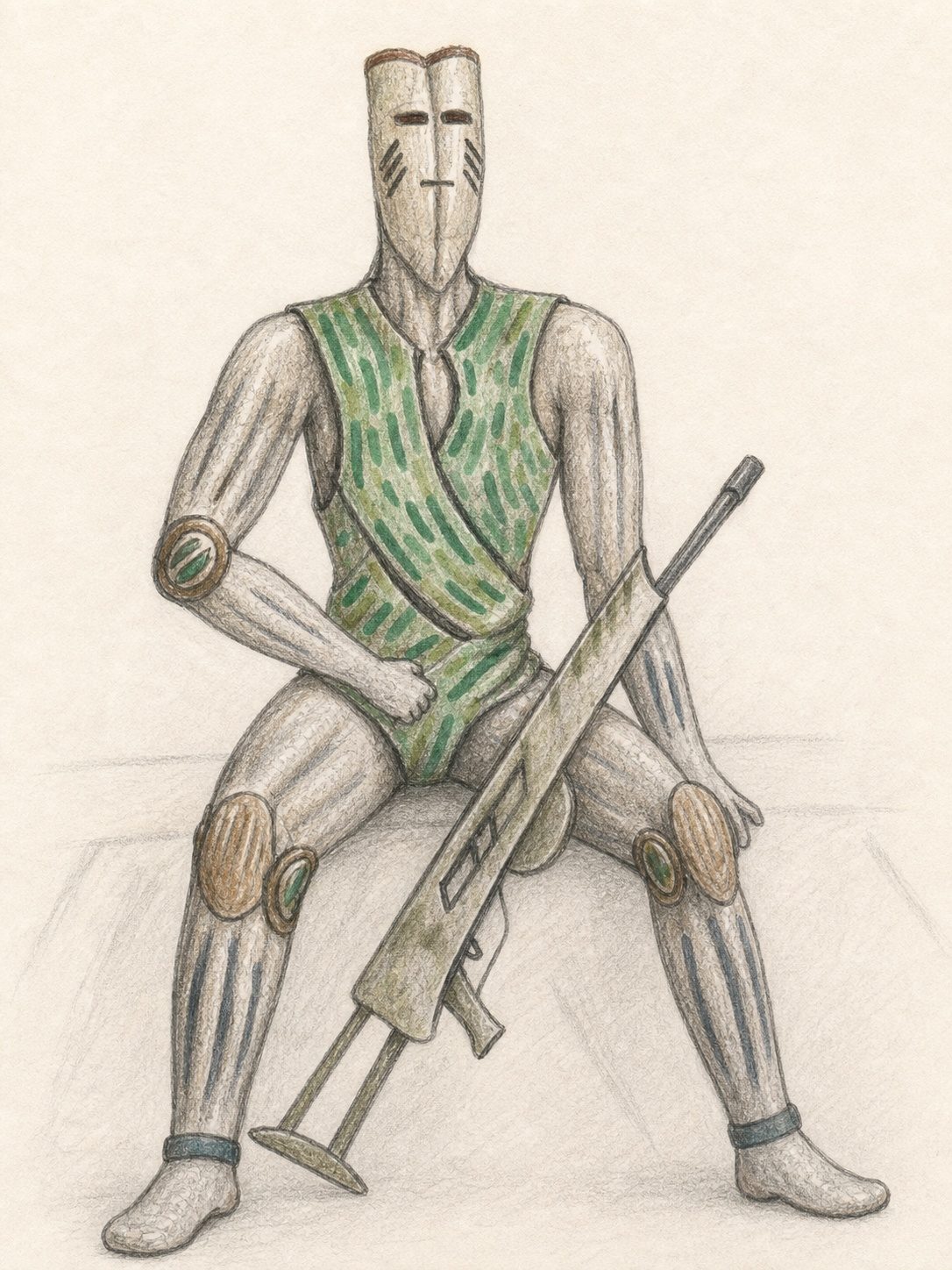
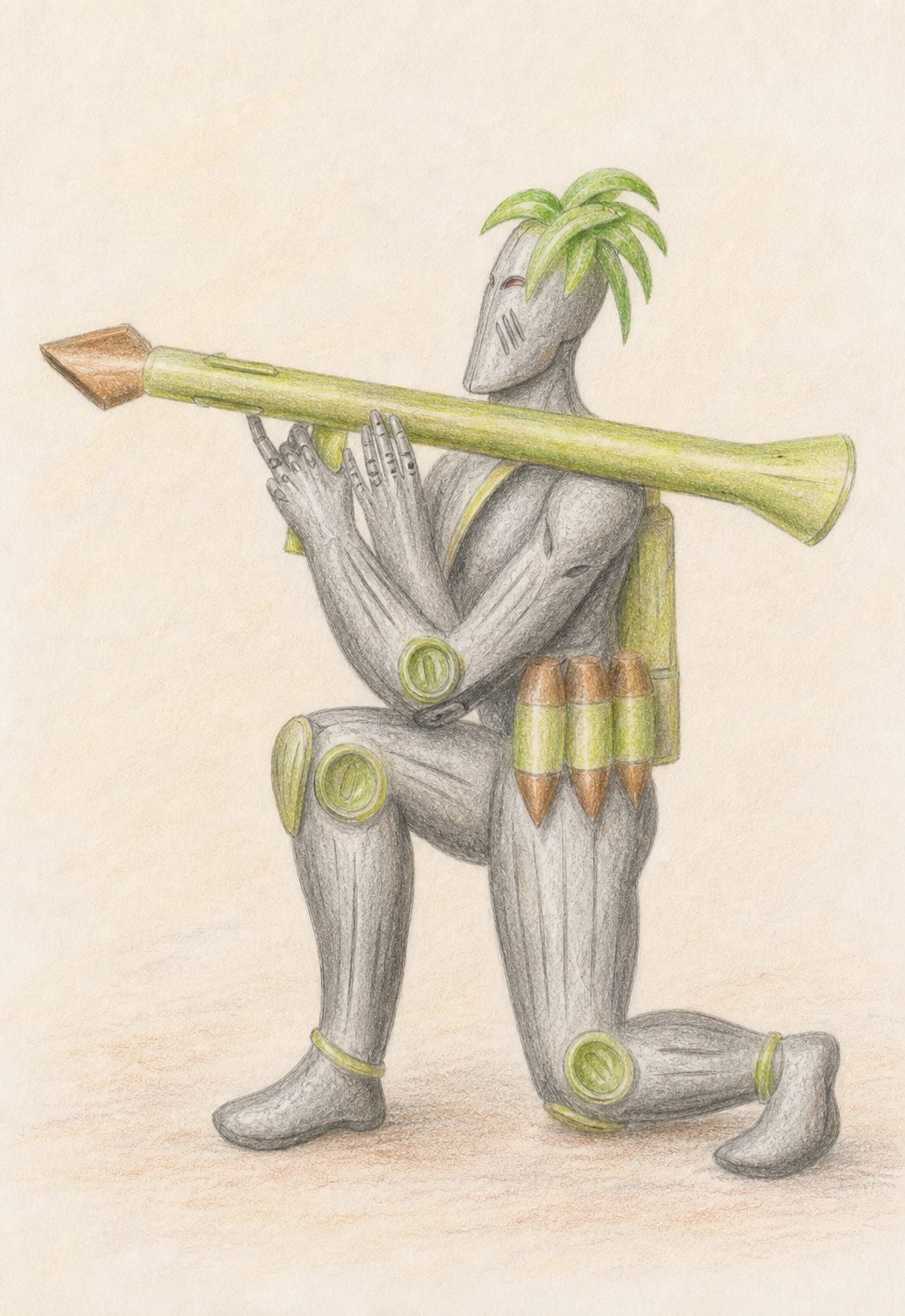
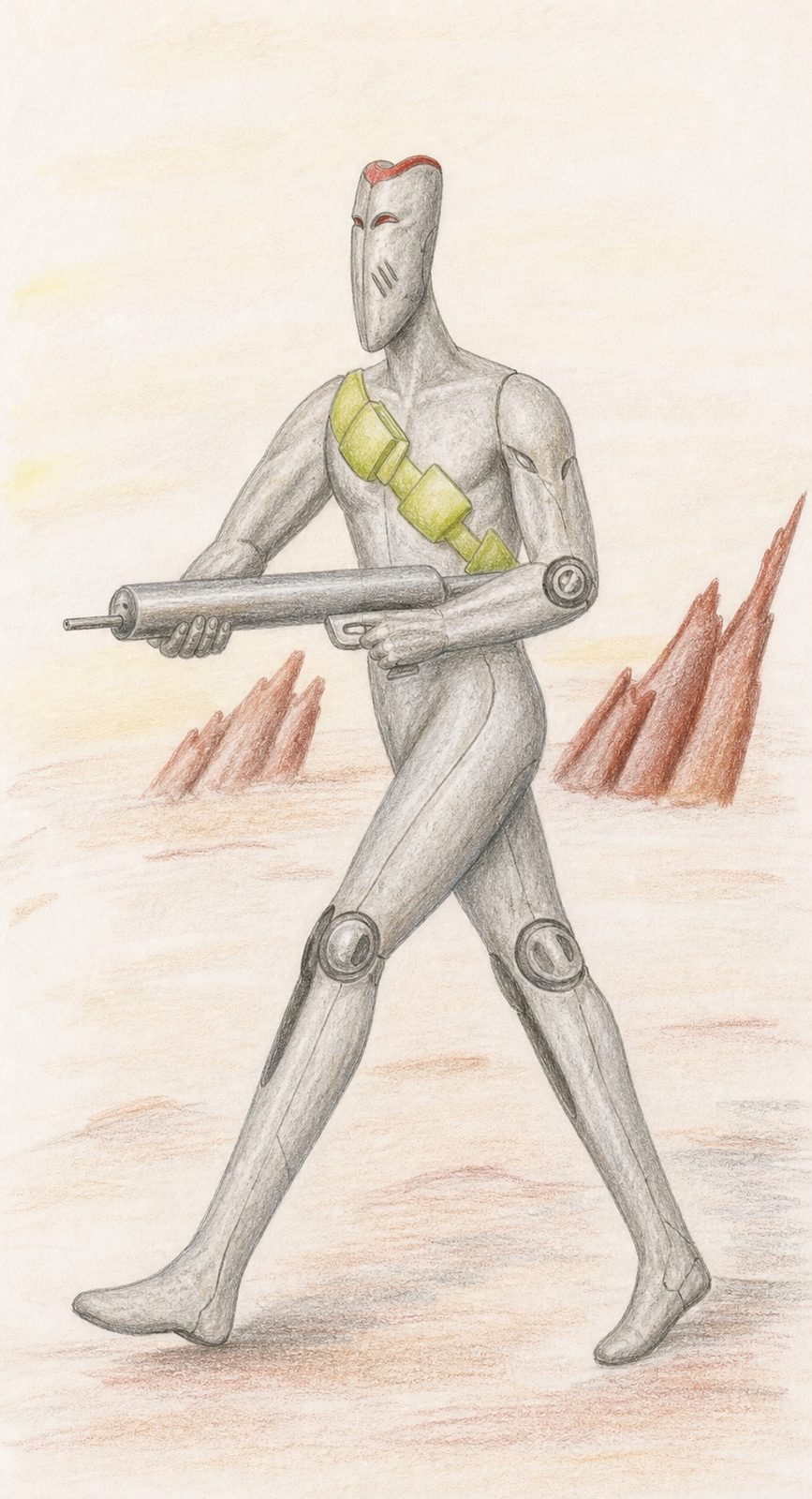
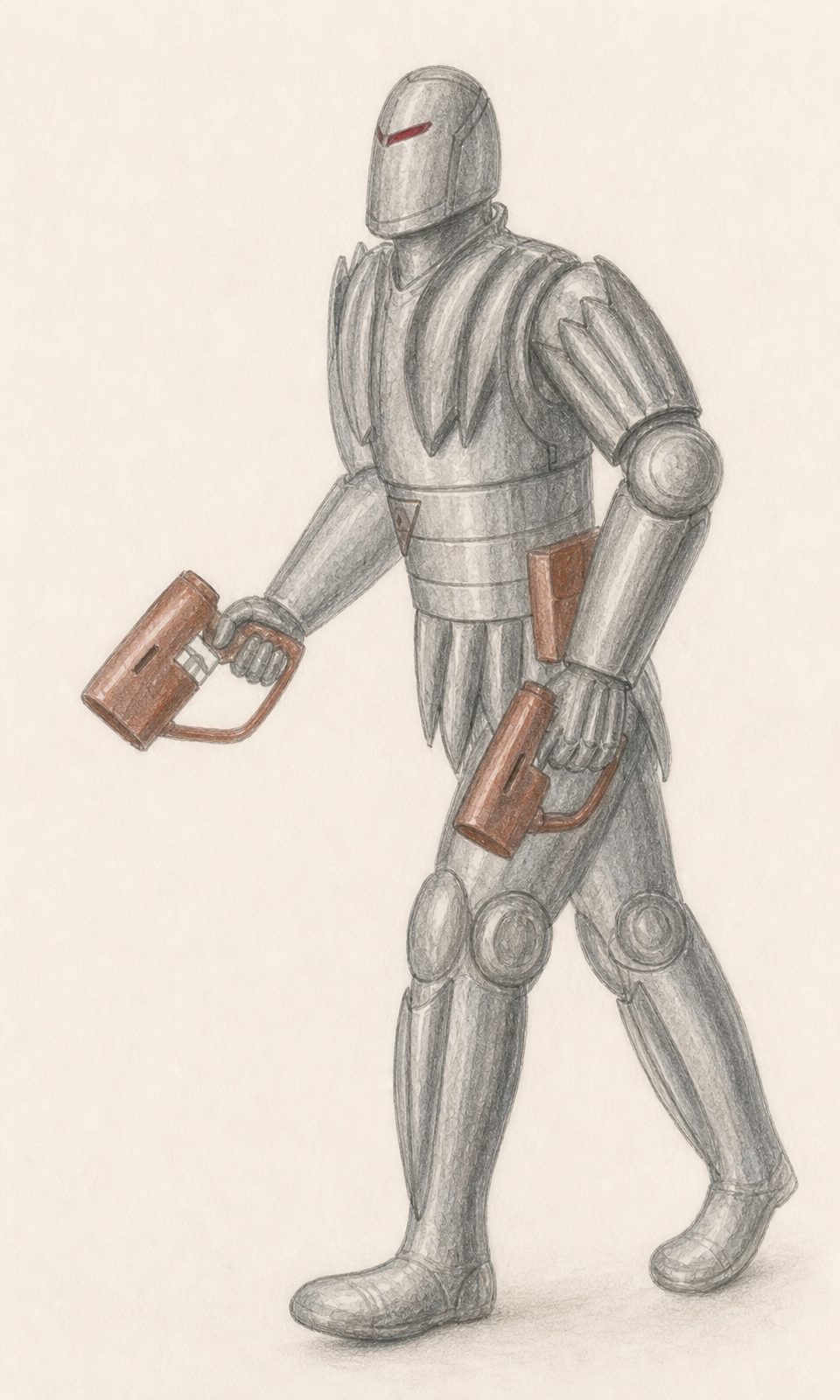
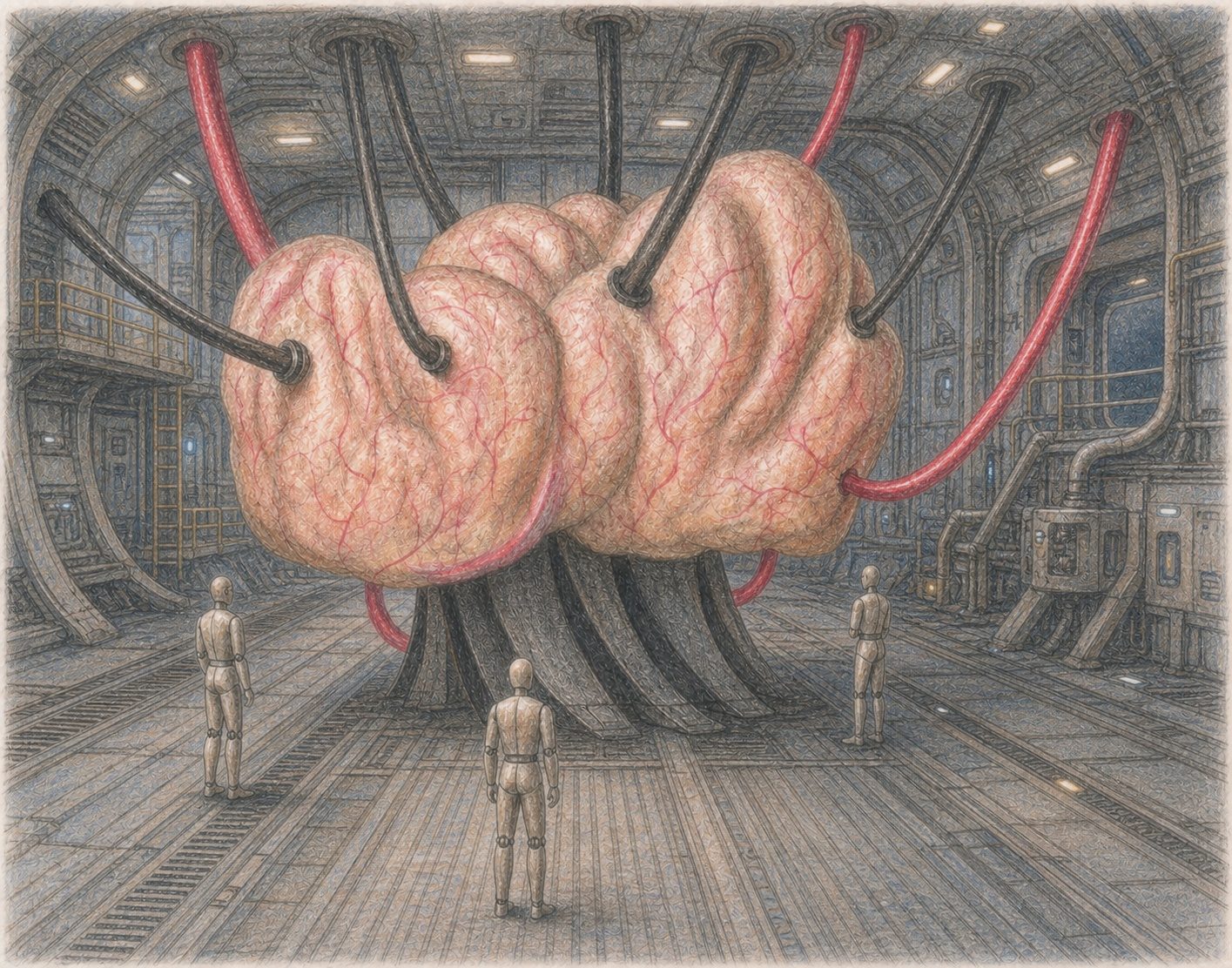
Apparently the Ancients are divided into a number of fleets. These fleets can be either very large (the fleet that invaded the M-22 galaxy) or relatively small (the fleet that took part in the Bloody Spring). The fleets are commanded by Flagships — vessels housing the fleet's "brain," a gigantic bioengineered construct. Below it in the hierarchy of intelligence come the fleet's smaller vessels. The starships of the Ancients carry no crews; they are controlled by a brain center inside the ship. Although the ships of the Ancients are biomechanical constructs whose hacking is extremely difficult, it is theoretically possible. The use of biomechanics leads to certain drops in computational speed and precision, but it nonetheless surpasses human personnel. All available information flows into the brain center, allowing the Ancients to perfect their forces; it is, in effect, a headquarters, research center, and engineering center all in one. At the same time, the smaller starships possess a fairly limited free will, being subordinate to the Flagship. Next come the so-called Infantry of the Ancients — limited combatants, somewhat taller than the average human (roughly 2 to 2.3 meters), created aboard incubator-ships or converted from members of other races. These fighters significantly surpass in combat quality the "robotic infantry" of the civil-war era in Wanderer society. The Ancients also have at their disposal numerous slaves — a term covering either mindless machinery, such as the Ancients' construction equipment, or members of other races used for various purposes. Classical slavery does not exist among the Ancients. Although they do occasionally sell slaves to obtain certain resources, for the most part slaves are entirely destroyed once they have completed their mission. Some, however, live for years aboard special Ancients ships, serving as administrators or, more often, handling relations with other political players.
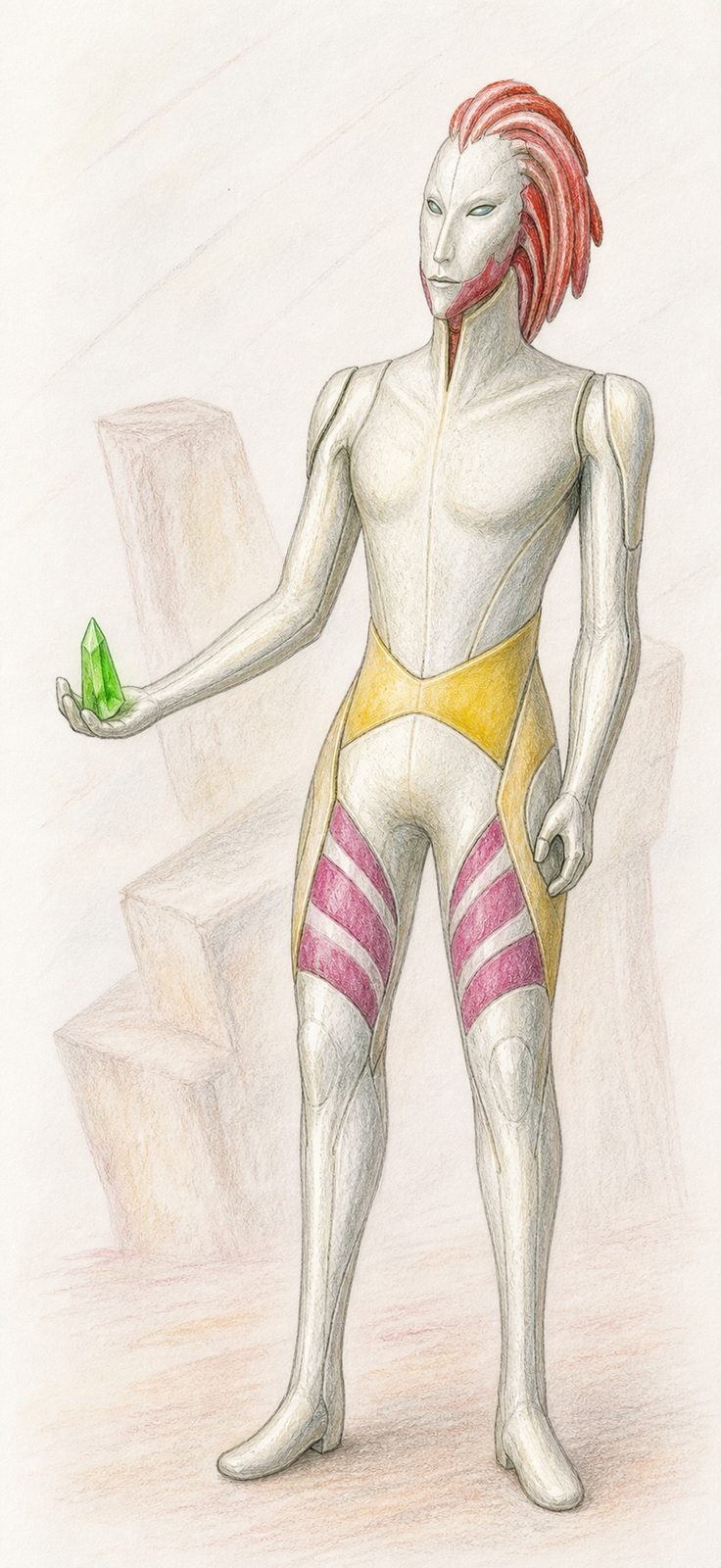
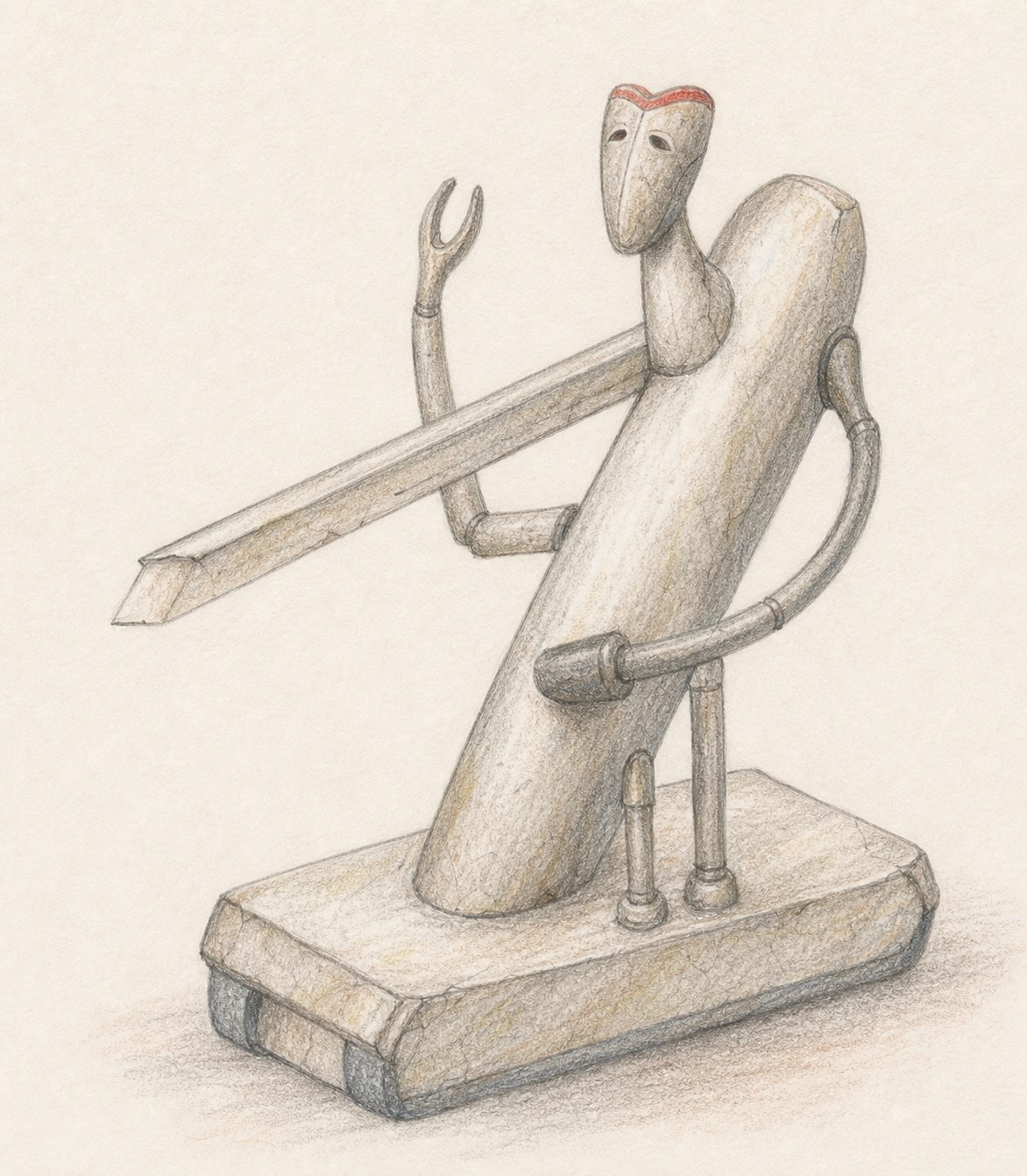
Standing apart from this whole structure are the "Petrels" — the only beings of the race, besides the Flagships, to possess full free will. Working deep in enemy territory, they gather information and organize destructive organizations such as the Cult of the Ancients. There are reports of desertion among the Petrels; some, far from their Flagship masters, begin to doubt the necessity of a war of annihilation and choose to flee. At least one of the Ancients' fleets, after the death of its Flagship, came to be led by Petrels. The Wanderers, during the grueling war with the Ancients, attempted to negotiate peace with the Petrels, but this came to nothing. Nevertheless, it is precisely they who are regarded as a potential "fifth column" within Ancients society.
The incubator is the most important construct in Ancients society, one that allows them to carry out their endless expansion. Slaves awaiting "processing" lived there, along with guards, engineers responsible for the incubator's power systems, and various support workers. Almost all incubators had a three-lobed structure.
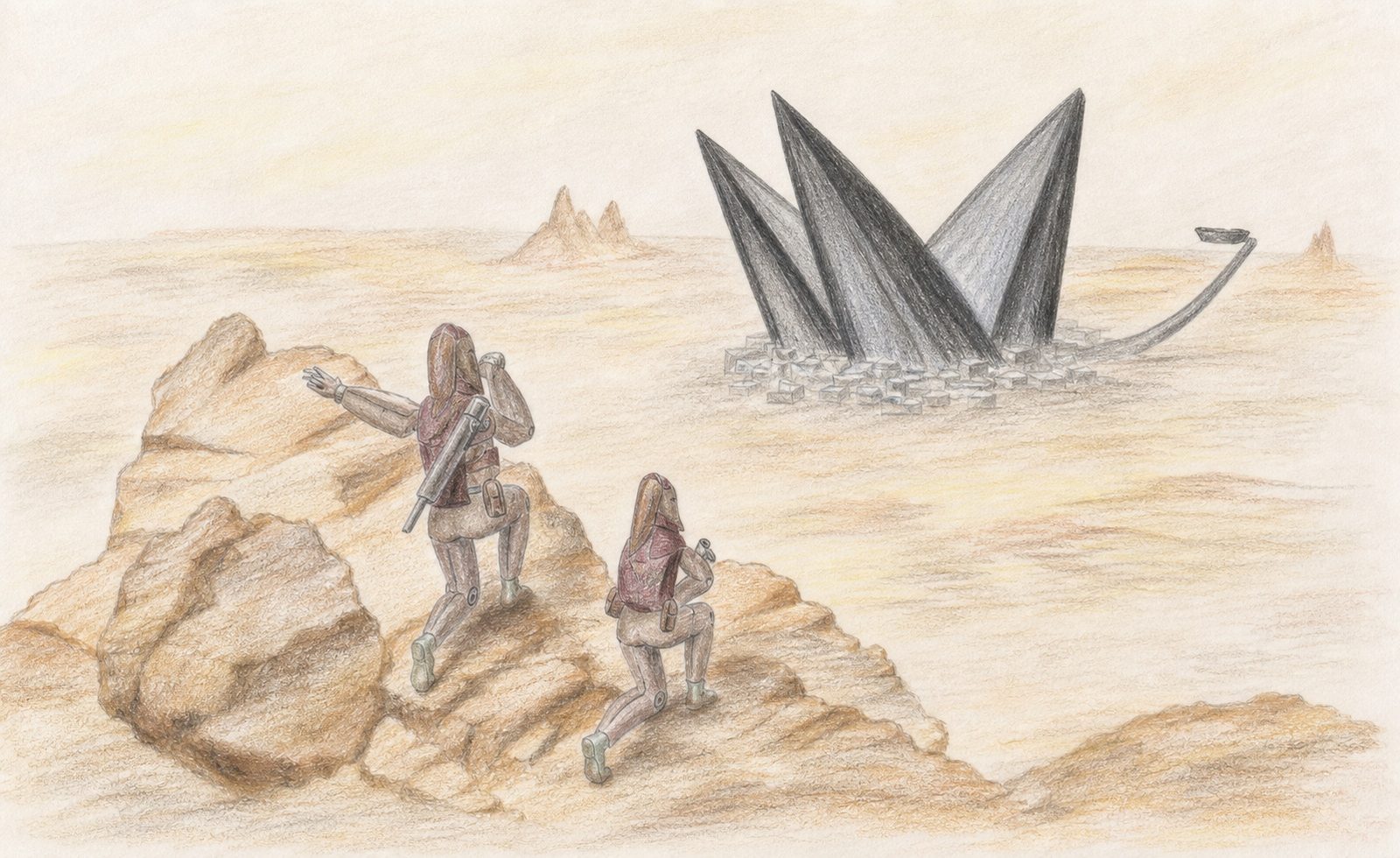
Parasitic reproduction is carried out on planetary surfaces in ground-based incubator structures — these colossal edifices take the form of an irregular flower: three elongated tetrahedra sharing a common base. Incubators have a throughput of 1 to 400,000 sentient individuals per day, depending on size. These are extremely expensive constructs, the first of which appeared in the galaxy at the start of 10017. It is precisely to this period that a surge in the purchase of slaves and their sale to the south of the galaxy is dated, when the Ancients began assembling a ground army. Incubators require colossal expenditures of energy and a large service staff, and so mini-states controlled by the Ancients spring up around them, created for the sole purpose of keeping the incubator running. The first such state, for instance, held 73 systems and served a small incubator with a throughput of 10,000–13,000 units per day.
By the end of 10017, three Ancients armadas were operating in the galaxy.
The First (red) — the forces encountered by the FZS and the EGS during the Bloody Spring, and which also took part in the conflict (10017) with the Infinite Alliance. They relied chiefly on the strength of their fleets, operating on planets by means of allied troops. Making no effort to control territory, they relied entirely on their puppets. Incubator construction was likewise conducted only to a very limited extent.
It somewhat altered its tactics during the Second War of the Southern League, seizing large territories of sector P-3. After its defeat in the Third War of the Southern League it withdrew for a time into the space of the Pleziiry, after which it vanished from the radar. It then withdrew to sector O-14, where it found shelter in the Vassal Territories of the Nechota Empire of Ildikani. During Keydzhaker's campaign in July 10023, it suffered its heaviest defeat yet — its Flagship was destroyed. But the First Armada was not wiped out entirely — around 15% of its starships escaped into Nechota territory. Afterward they reunited.
The Second (green) — responsible for the seizure of sector V-20. It relied on its allies during the initial phase of hostilities. After seizing sector V-20 it launched large-scale incubator construction and subsequently planned to begin expansion into neighboring sectors. Puppets in the person of the Stomei Dynasty continued to administer the territories, though the Ancients' interference in the governance of sector V-20 was more substantial. The governors of planets chosen for incubator construction were placed under the guardianship of "Petrels," who were listed as their first advisors.
It left the southern sectors after the Fourth War of the Southern League, owing to the betrayal of the Stomei. Fearing heavy losses, the armada was withdrawn to the south.
The interaction between the two armadas has not been fully studied — but it is known for certain that during the Second War of the Southern League, which was waged by the Second Armada, it received reinforcements from the First Armada out of sectors V-20 and S-2.
The Third — the Magpies. Renegades who abandoned the first branch during the conflict with the Infinite Alliance. They hid for a time in inter-sector space, and their ultimate goals were unclear. They consisted of Petrels who had decided to break their oath to the Ancients. Their emergence is presumed to have been linked to a defect in the manufacture of several Petrels, who then began deliberately hacking other Petrels as well as seizing control of Ancients ships. During the mutiny they managed to seize 700 starships, with which they left the front.
After 10020, several more armadas arrived in the galaxy:
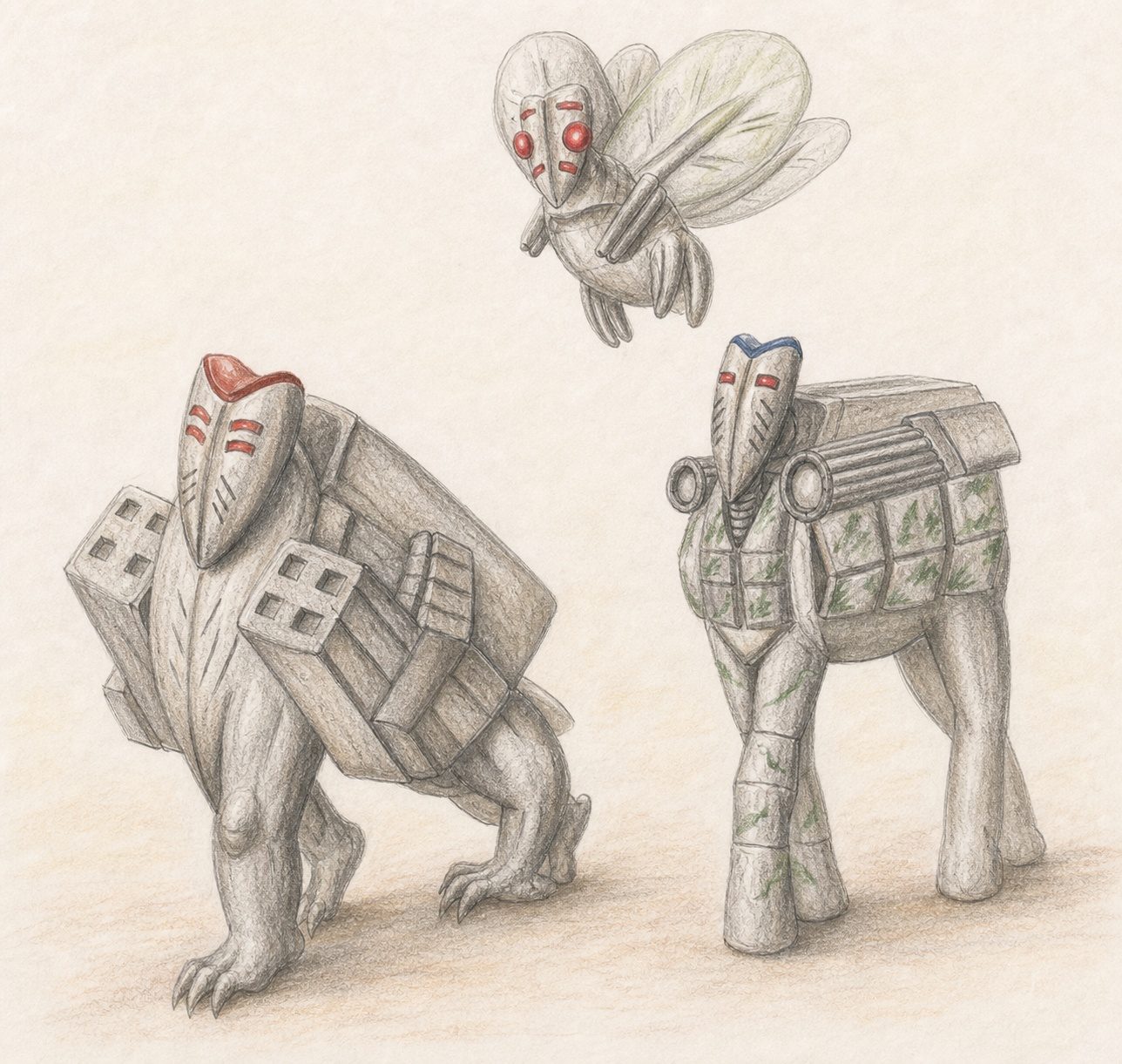
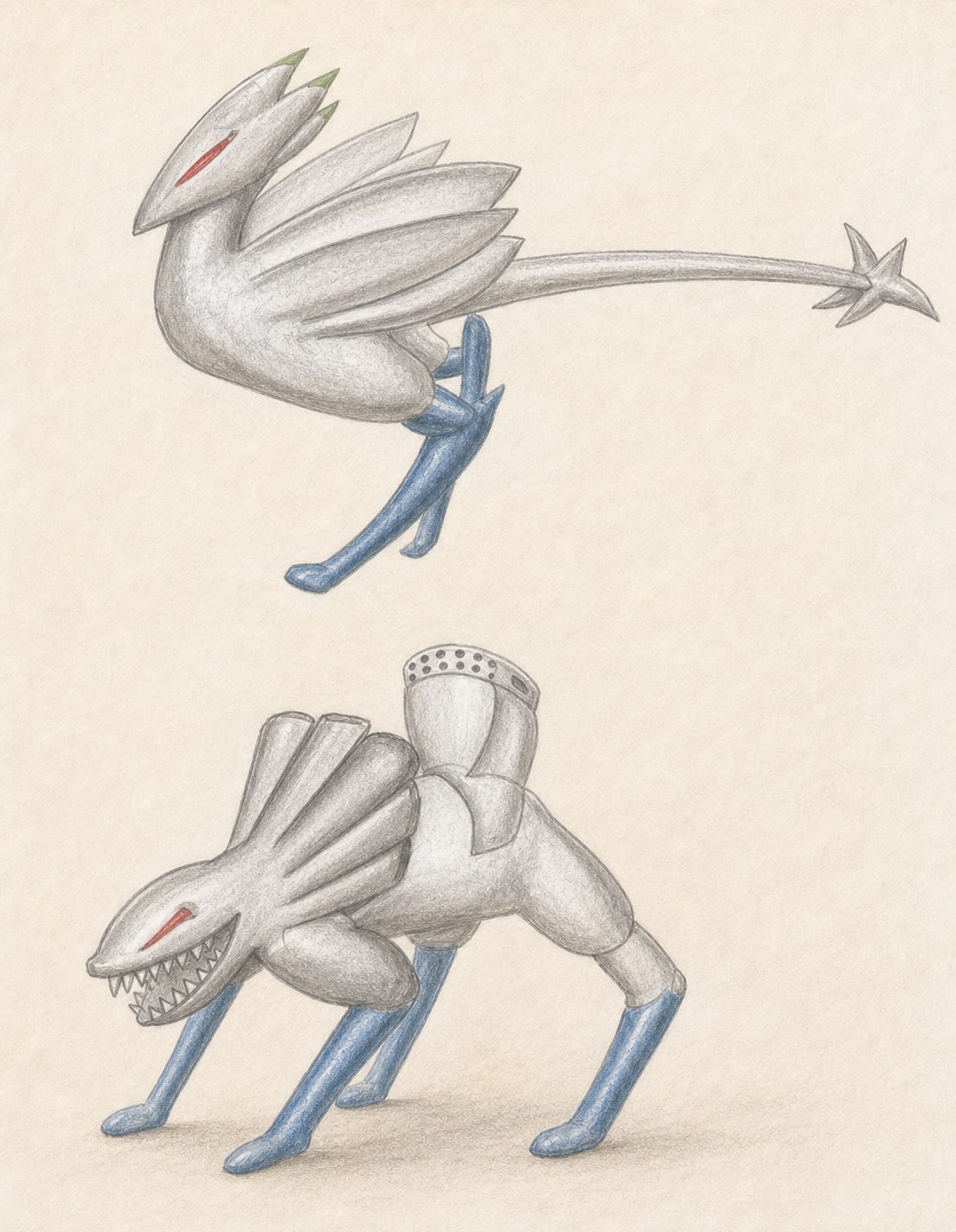
On the basis of intelligence data it was established that the Ancients in sector S-2 constitute yet another armada, conventionally designated the Fourth (blue). Its distinguishing feature was numerous attempts to diversify its forces by processing local fauna into soldiers. Organisms of this kind underwent testing throughout the 10020s. In the military conflicts of 10020 their limited use began. These experiments led to the first serious disagreements within the Southern League — the Wanderer symbiont was displeased by the destruction of the fauna and protested against the actions of the Fourth Armada.
During the Fourth War of the Southern League the Fourth Armada was practically annihilated — its Superflagship was seriously damaged and it lost up to 70% of its forces. It withdrew to the southern star clusters — the galaxy's satellites — where it attempted to lick its wounds.
The Fifth Ancients Armada (yellow) was spotted in the northern sectors of the galaxy, beyond the main galactic disk. Its exact strength remained unknown for a long time. In 10026 it took part in a clash with the Infinite Alliance over transition technology. It is believed to have obtained it to a limited degree.
The Sixth Armada (first appeared in 10024, light blue). It is believed to have been behind the red blight — a disease that struck fruit-bearing plants. The Sixth Armada was evidently friendly with the Fourth Armada. Researchers of the Ancients initially believed the Fourth and Sixth were one and the same armada, but it was soon established that this was not the case, although they did exchange technologies. It took an active part in the Drag Breakthrough-2, which flooded a whole series of southern sectors.
The Seventh Ancients Armada (black). It is sometimes called the first super-armada of the Ancients; we shall keep to the standard numbering. The Seventh Armada became, without any doubt, the most powerful of all the armadas ever seen in the Golden Sector. It is believed to have come from beyond the galaxy after a series of the most crushing defeats that the Ancients suffered at the hands of the galaxy's powers. The armada pursued a single goal: the physical annihilation of the galaxy's potentially most dangerous states. Since it advanced from the south, its first target, quite naturally, became the Empire of the Golden Suns. The blow dealt by this armada led to the most severe consequences. The EGS was not prepared for the invasion and quite quickly lost a significant portion of its territories. Very soon, however, the war grew ever more brutal, and the EGS's forces managed to slow the enemy's advance. The Seventh Armada is characterized by the following features. It possesses considerably greater capacity in terms of incubators. Thus, the Seventh Armada became the first armada in the galaxy to make active use of so-called orbital incubators, which took up orbit around a star and began operating. Massive, monstrously huge structures became its trademark. Each super-incubator could produce more than 700,000 Ancients soldiers per day. Such power was simply devastating to many. In effect, the Ancients began to act with monstrous cruelty, sweeping away the populations of entire planets. The Seventh Armada, like all those before it, began to rely on local allies, and it found them fairly quickly in the Osmany and the Nechota. Other states, other races, came to their aid later. Yet this armada's invasion effectively marked the end of the age of the EGS, which for millennia had controlled the southern part of the galaxy. The EGS, although it managed to hold out, in effect turned into a state that little resembled its former self: humans lost power within the country, and the Binkris families took the upper hand. The Seventh Armada was the first to make use of many innovations later observed among other Ancients as well. Here appeared the so-called signal corps, linking all Ancients forces into a single circuit by means of communications operating at the sub-gipr level. The Seventh Armada undoubtedly became the galaxy's foremost trial for many years, and many states and countries rose to oppose it.
From reports by the Magpies it was possible to establish certain details of how the Ancients are created. The brain center of the Ancients must also be trained, much like biological organisms. The brain's construction is such that part of the data can be loaded directly into its electronic component, but the biological component requires time to "digest" this data. Training a small ship takes little time — a pre-trained memory dump is loaded, which is then quickly fine-tuned on current data; this can take anywhere from a couple of days to a week. A large ship may take around a month to train, and a Flagship up to a year. Training Petrels is especially difficult, since they use what are, in effect, purely biological brains. Their training takes no less than a year.
Each fleet is commanded by a Flagship, which enjoys considerable independence in its decision-making. It "reports" to a Superflagship, and should its actions be judged a failure, it can be "erased" and its personality overwritten. An armada's Superflagship acts entirely independently, though it is presumed to send some manner of reports to Ultraflagships — megaships not yet discovered in the galaxy but presumed to exist, which oversee the purging of galaxies. The Magpies have repeatedly noted that a certain rivalry exists between armadas over which of them will purge the greater part of a new galaxy of sentient life. Flagships that operate successfully within their zone of responsibility may be "promoted" — a procedure in which the brain is transplanted into a larger starship, after which the brain is built up with new structures.
The Magpies and slaves have noted that Ancients Flagships are not devoid of familiar feelings such as ambition, envy, and anger. But they lack a whole range of other feelings — love, mercy. Which is, on the whole, unsurprising for a highly developed weapon of vengeance. The Magpies also noted that Flagships possess another feeling, alien to most inhabitants of the galaxy — a desire to destroy. They sate it by taking part in the purging of planets or in major battles.
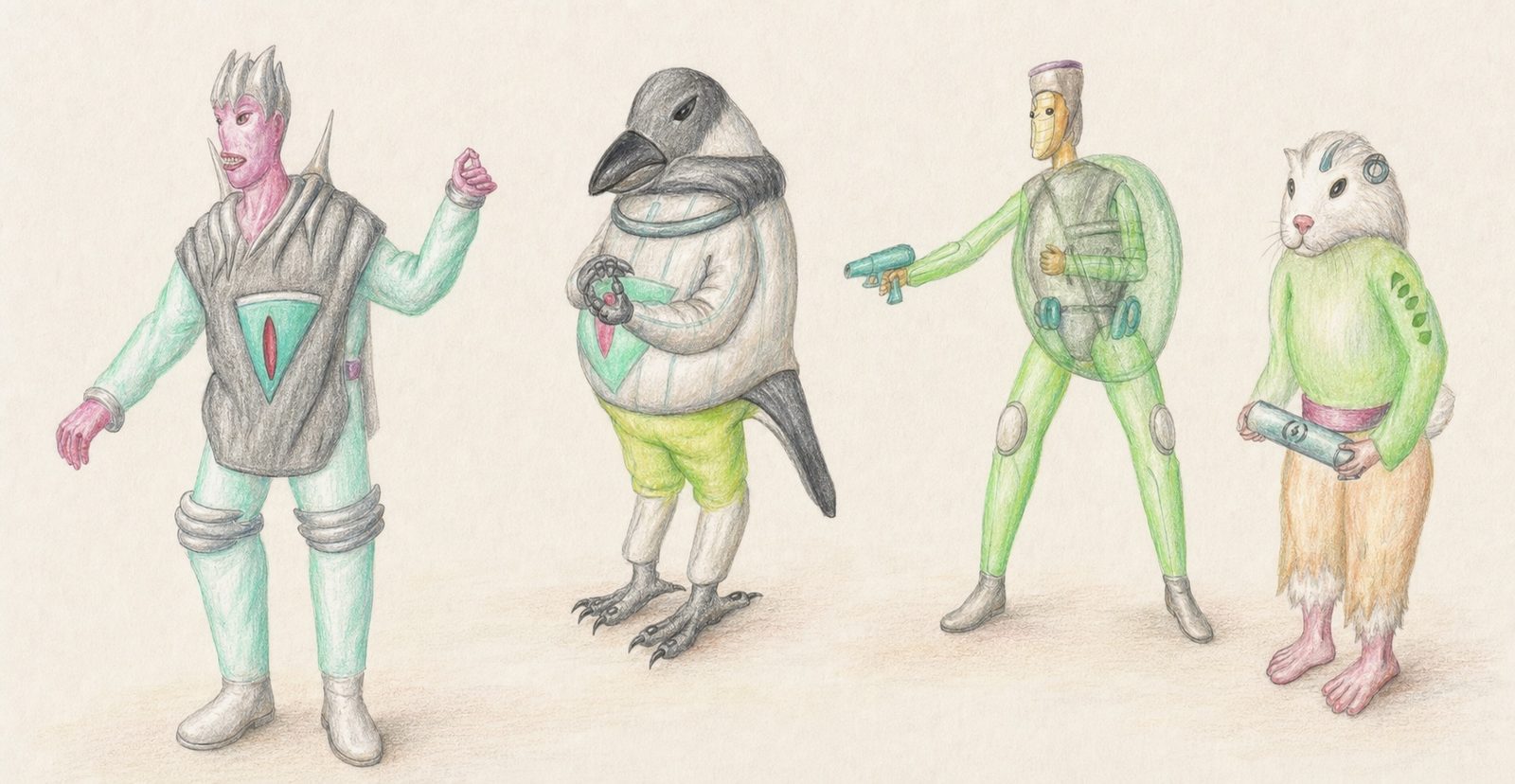
For their own needs, the Ancients draw on numerous allied races and slaves. The best known of these are the Kuurny and the Bruzuki. Millions of living creatures also dwell alongside the Ancients, however, mostly performing auxiliary functions. The functioning of the incubators depends, not least of all, on the labor of thousands of slaves. For all these societies to operate, an administration is required. Agents belonging to other races are used to infiltrate the enemy's ranks. Ancients intelligence is closely tied to the Cult of the Ancients, whose ranks include representatives of dozens of races. Besides spies, traders also operate on the territory of other states, buying up various resources needed to carry out the Ancients' goals. In the 10010s, a great many Ancients agents flooded the arms market and also searched for mercenaries. Some of them did not even know they were working for the Ancients.
Races allied to the Ancients, members of the Cult of the Ancients, and numerous hangers-on make up a rather motley and unusual society. Life here is worth little, but many are drawn by the chance for quick profit and advancement. No small number of swindlers and dealmakers have made fortunes transferring money between Ancients and local financial organizations. Many have made their fortunes trading in weapons and slaves.
Perhaps you have wondered how the organization of these Ancients forces is arranged, and indeed how Ancients society is structured in general. Several classes of this social system are well known. The first is, naturally, the Superflagships or Flagships — the brains that govern the race. They almost never leave space. Even if a Flagship governs some large planetary region, it typically still remains in space. This is done largely for the sake of the mobility and safety of this most important resource of the race, and undoubtedly the race's most difficult resource to replenish.
Flagships and Superflagships, though they possess a certain freedom of will, nonetheless have that will constrained by certain presets that were installed by the Ancients back when the race was created. These presets include an irresistible drive toward expansion, war, and destruction. In all other respects, they are fairly free. Although, for example, when a Flagship is created, Superflagships typically instill their own settings in it, one of which is absolute loyalty.
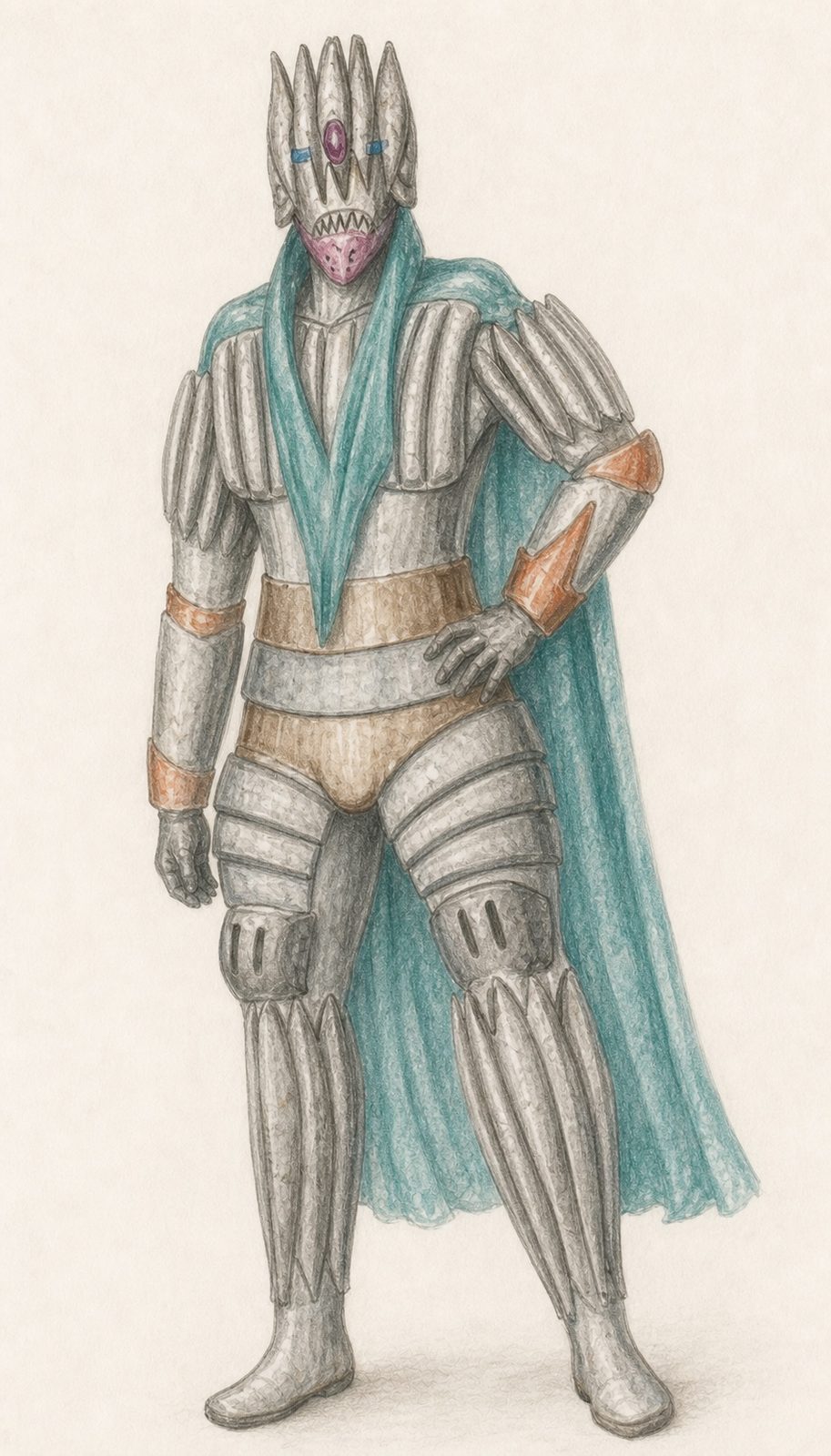
The second stratum is the Petrels. The Petrels are the second principal unit within the Ancients hierarchy. They possess an enormous degree of independence and influence in society. Even Flagships frequently heed the Petrels. Their primary purpose is stoking conflicts, preparing societies for Ancients invasion, creating cults, and the like. There is a great variety of Petrels, though most of them look roughly the same. For the sake of concealment, when sent to other countries they often change this appearance. The Petrels also have an analog of the Infinite Alliance's transition technology. Their mind is locked within a chip in the head, and it can be transferred into another body. In the event of a Petrel's death, the chip is, as a rule, extracted from the body if possible and installed in the body of a new fighter.
The third stratum is the dependent races. They are not a particularly influential but a necessary part of Ancients society. The main reason the Ancients need them is the necessity of interaction, the necessity of seeking allies, since they cannot always rely solely on military might. This includes the search for resources, the destabilizing of societies, and so on. Allied races occupy the third rung of the Ancients hierarchy. They usually have no serious influence over the actions of a Superflagship, but they are able to influence the direction of an armada's actions. There are well-known cases of various races temporarily cooperating with the Ancients in their own interests. The most textbook example in the GKF galaxy is the Stomei. Another example is the Nechota; a third is the Amaba Dynasty, and so on.
The fourth stratum is the processed. The processed are biomechanical Ancients slaves who have passed through the incubators. They are extremely numerous and are, in effect, expendable material. The degree of independence of these soldiers varies greatly depending on their position within the hierarchy. As a rule, there are several such hierarchies; in Ancients society they are called levels. The first level is the level of soldiers. Soldiers and slaves possess no independence whatsoever and merely carry out their officer's orders. The second level is the so-called junior officers. Whereas the Ancients have no concept of officer ranks as such, these fighters are typically marked by the quality of stripes on the shoulder or elsewhere on the body. These are the commanders of groups of soldiers or groups of slaves. Their minds are somewhat more open than those of soldiers. As a rule, the lower races — those possessing the least intellectual potential — are sent to be processed into soldiers. Somewhat more advanced peoples are usually sent to be processed into officers: humans, Marihays, Zhaks.
Next comes the third level — the level of senior officership, effectively the commanders of the junior officers. The third level possesses still greater freedom of will, though far from that of the Petrels. Sub-levels exist. Sub-levels typically arise as needed within particular armadas. Moreover, the hierarchy can differ greatly from armada to armada. Senior officers answer directly to the Petrels.
There likewise exists, in effect, a large subclass of slaves standing below all three of these strata. As a rule, they are responsible for the functioning of the towns around the incubators, for various loading work, and for the most dangerous and dirtiest labor in Ancients society. They also serve as fuel for the incubators and raw material for processing. The life of a slave can vary greatly depending on the armada and on his position. There are slaves who have achieved considerable success within Ancients society. The Taraki allies and Taraki slaves, for instance, are well known. Both groups wield enormous influence in Ancients society, especially in the northern armadas such as the Fifth, since they possess a good knowledge of the sector and are able to provide their masters with important information.
If a slave is sent for processing, he typically lives for several weeks awaiting his fate. He spends this entire time either in cages or in a state of stasis. The overseer near an incubator may lead a life of ease, with an entire harem of females and a crowd of hangers-on. The incubation towns, as they are called, are typically ringed by a gigantic, massive wall. Uprisings within them are not uncommon, since most of those who end up in the camp understand what awaits them. For this reason they are strictly controlled by two strata: Ancients soldiers and the many local helpers serving in the garrison. The garrison commander, or mayor of the incubation town, is typically a person drawn from either the slave races or the allied races — more rarely, a Petrel.
The Magpies is a nickname for Petrels who decided to abandon service to the Ancients and live fairly independently. During the conflict between the Ancients and the Infinite Alliance in 2017, they deserted from the Ancients army and fled to sector S-2. There, on the territory of the Domain of Karoman, they founded their own state, a vassal to Karoman. This state existed only briefly — it was soon crushed by an Ancients invasion. During its existence, however, Karoman sent numerous criminals here, who were subjected to "cyborgization" — unlike the Ancients' incubators, the Magpies' incubators did not fully suppress the personality. Each individual retained sufficient independence and the capacity for independent thought. Through cyborgization, every organism gained the ability to significantly extend its lifespan, reduce its food requirements, and also gained the ability to reproduce with members of other races. Cyborgization in the Magpie state was effectively a new religion, and only cyborgs themselves could be citizens on the territory of their country. Forced to abandon sector S-2, they headed north, where they occupied territories in sector N-8.
In the course of developing their country, they also engaged in the active cyborgization of other races. An important feature of the Magpies was the merging of certain population strata into unified consciousnesses. This allowed them to perform their functions somewhat better. It is important to note that these strata were always governed by so-called "slave intellects" — reprogrammed Ancients super-intelligences, which the Magpies were very fond of using.
Their form of government was a meritocratic oligarchy. It was led by representatives of the Petrels — renegades who had abandoned the Ancients forces during the war with the Infinite Alliance. The Magpies were in no hurry to grant any rights to the cyborgized. Even so, they actively sought to promote their regime as the most friendly toward the cyborgized and augmented.
Capital — the Magpies' Roost
Main race — various cyborgized peoples.
The exact date of the cult's emergence is unknown; it is believed to trace its roots to various minor cults in the far south of the galaxy. There is evidence that these cults appeared as far back as the era of the Great Empires and the Ancients invasion. It is unlikely, however, that they could have survived from those times.
Most researchers believe that, in their modern form, these cults arose several decades ago. Their birthplace may be considered the distant southern systems that lie outside the galaxy's main disk. It was precisely these systems that were seized by the Ancients as they prepared for war against the Wanderers. The Ancients, accustomed to using other races for their own ends, created the cult in order to subjugate the population.
The cult grew slowly, expanding as more territories fell under Ancients control. They were especially interested in the cult's military wing. The cult had a pronounced totalitarian structure. At its head stood the head of the cult — believed to have been one of the Petrels. Beneath him came the local heads of the cult. These were, as a rule, the heads of satrapies (large regions), heads of planets, and heads of planetary territories. The cult begins its activity by infiltrating existing states; once the number of its adherents proves large enough, it attempts to seize power, and, should it succeed, it entirely squeezes out any other religious organizations.
At the core of the cult's ideology lies worship of the Ancients. They are presented as analogues of the horsemen of the apocalypse; the cult preaches that it brings purification to a galaxy mired in sin. All who join in this final battle will, in the age of renewal (as they call their equivalent of the paradise one enters after death), become master over those who resisted the Ancients. His life will be eternal, free of grief and sickness.
The Army of the Cult of the Ancients is, in effect, an army of fanatics. Contempt for death and readiness for self-sacrifice are the ACD's principal qualities. It replaces fallen recruits fairly quickly and became the logical continuation of the idea of slave armies. Whereas slaves fought poorly and had little motivation beyond punishment from their commanders, ACD fighters fought valiantly, if not always skillfully.