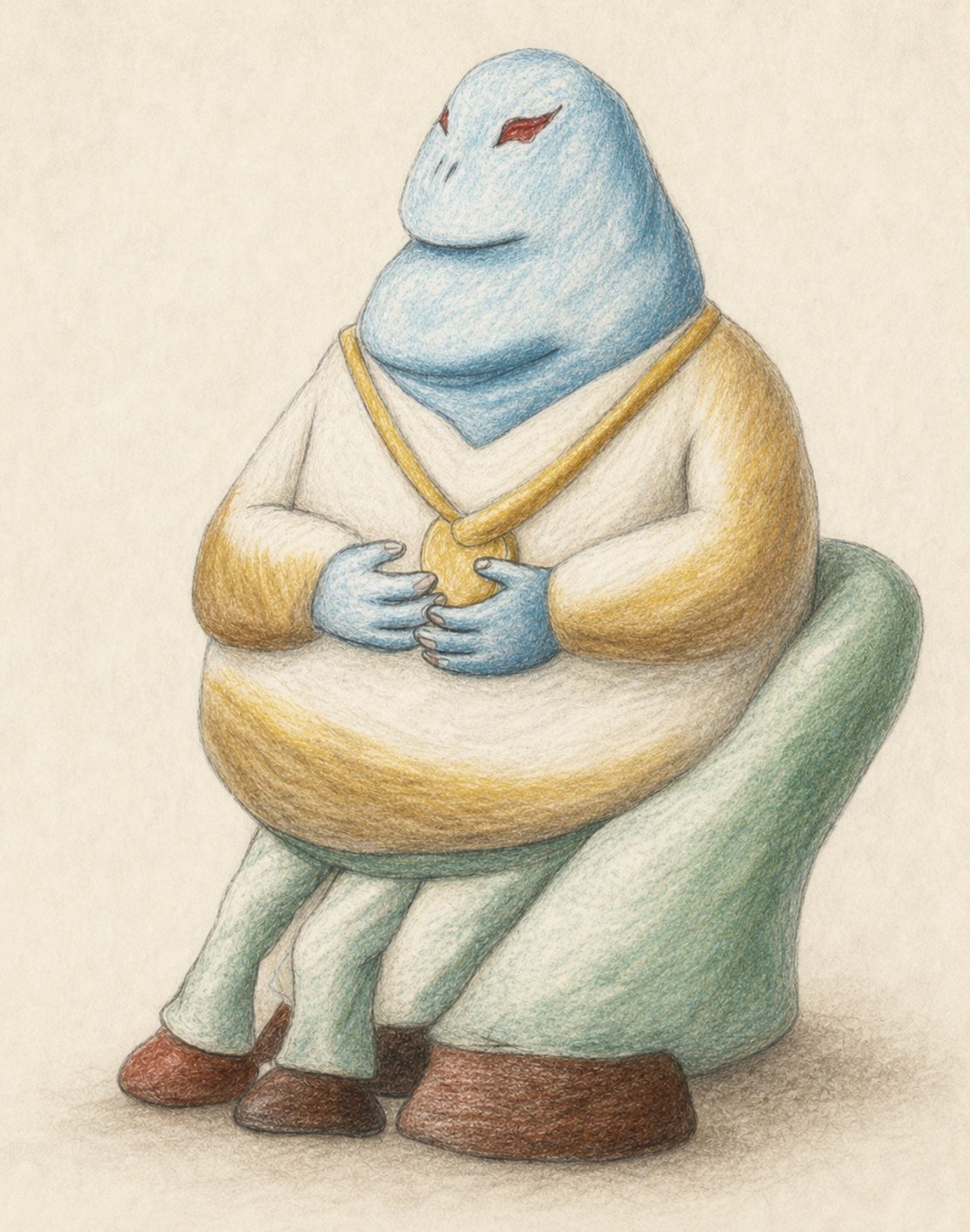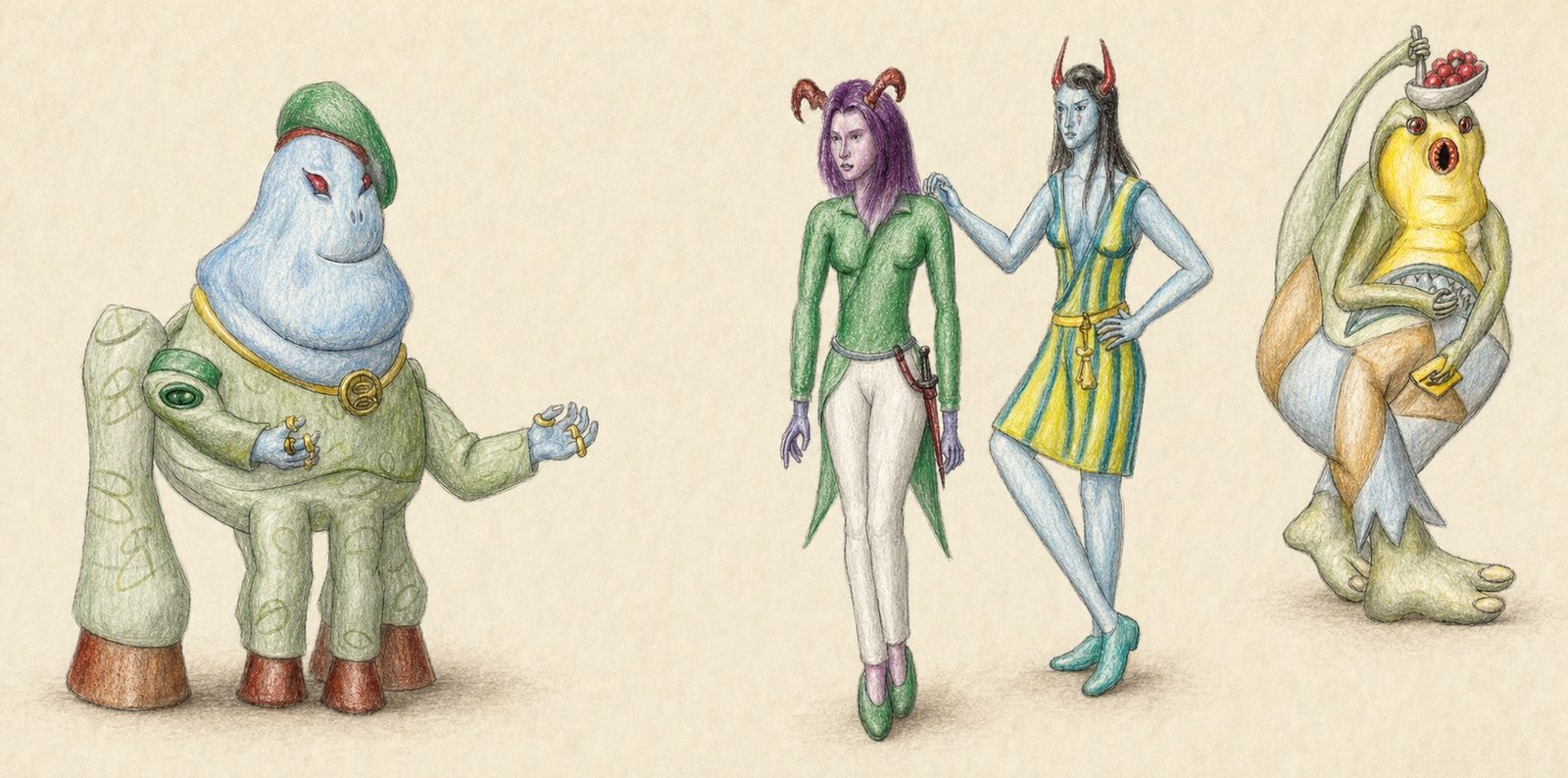
The dynasty of a race that some mistakenly take for friendly fat men. In reality they are extremely cruel, vindictive, and calculating. They rule their own dynasties in the southwest of the galaxy. Broadly similar to the Surditary, they too hold lesser races in subjection. The differences lie in the details: the Furdany prefer so-called “soft power,” subjugating races through various onerous treaties that at first glance seem highly advantageous. In the eyes of a number of races the Furdany are also gods; their semi-divine status is borne out by a lifespan of 250 years. At the same time, if subject races dare to violate these treaties once concluded, the Furdany act with the utmost cruelty, sending their troops to crush even the slightest discontent. Being racists, they consider the extermination of other races entirely acceptable. Yet in personal dealings the Furdany will always be friendly and charming — and then may just as easily order you killed.
Because of certain features of their digestion, the Furdany constantly give off an odor that many find repulsive. And a Furdan eating is a sight not for the faint of heart. Still, you would hardly wish to say so to their face. The Furdany's vindictiveness has likewise become the stuff of legend — they never forget even the slightest offense and will always take revenge in time.
Furdan society traditionally answers to the Great Belly — in effect the race's emperor. The Great Belly is elected by six high priests, and the post is held for life. The Furdan religion consists in the belief that the entire galaxy ought to belong to them as the one divinely chosen people. Much of their religious ritual, meanwhile, consists in consuming great quantities of food: thus pies represent the galaxy, which their god, “the Eternal One,” is to devour at the end of time.
Furdan reproduction is parasitic: for this purpose they use animals from their home planet, in which they lay eggs once per mating period. Such periods occur for them roughly 7 to 8 times in a lifetime. Parasitic reproduction is another reason for the dislike of the Furdany.
The Furdany, alongside the Dofaraky, are considered renowned masters of genetic engineering. A number of slave races were bred by the Furdany themselves. Three slave races are usually distinguished. The Aravionty are an arachnid race that was converted to humanoid form and became the backbone of the Furdan armies; thanks to astonishing regenerative abilities they can regrow a lost limb within a couple of days, and at the genetic level reverence for the Furdany is built into them, so that betrayal is impossible.
The second race are the Kerverreyki — a race bred from pack animals of the planet Eyuborak. In effect this is a single organism that divides into a number of sub-races — from quite small Kerverreyki pups to fairly large Kerverreyki hounds. The mind, meanwhile, is usually distributed among several of the largest individuals.
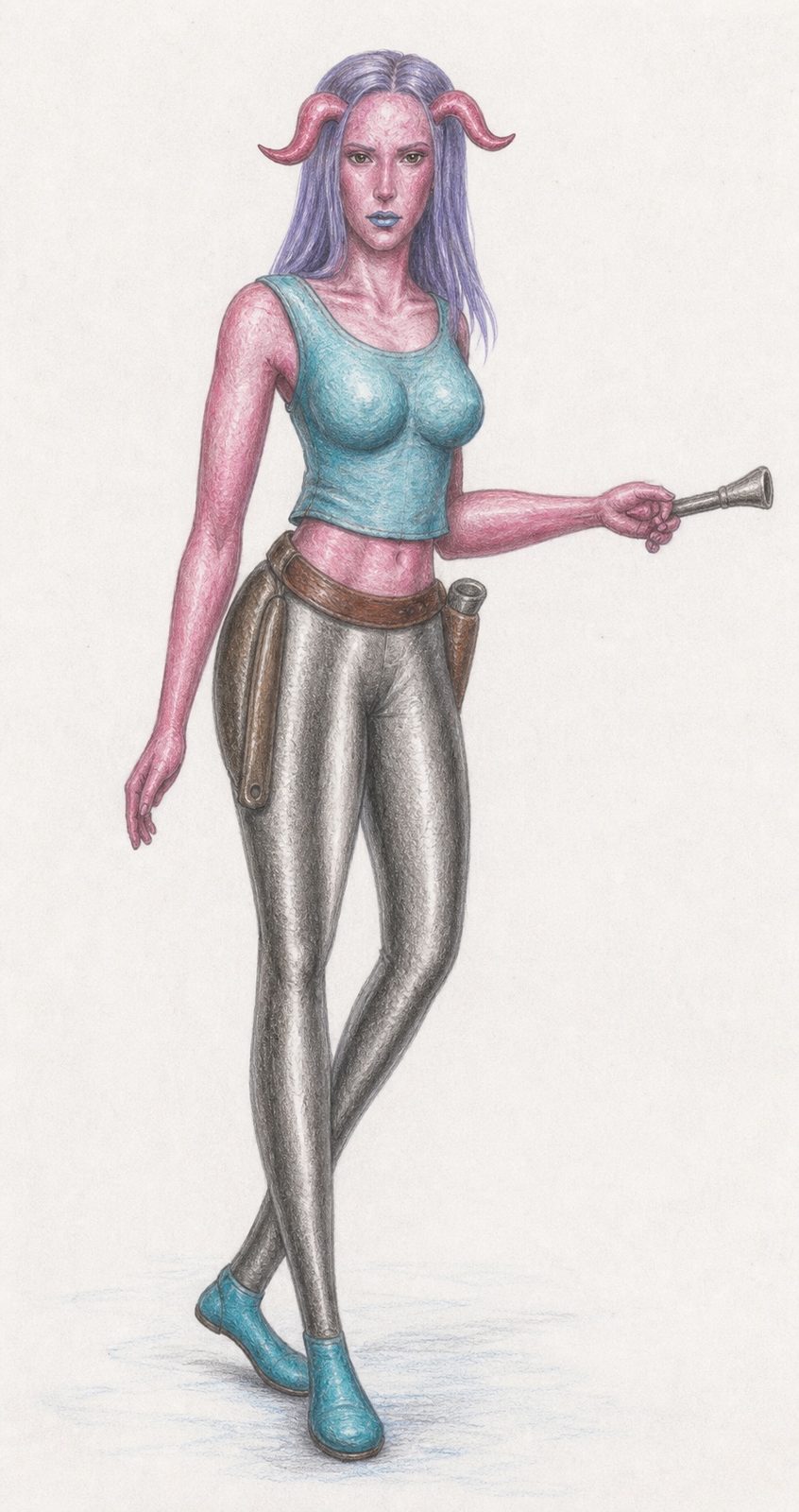
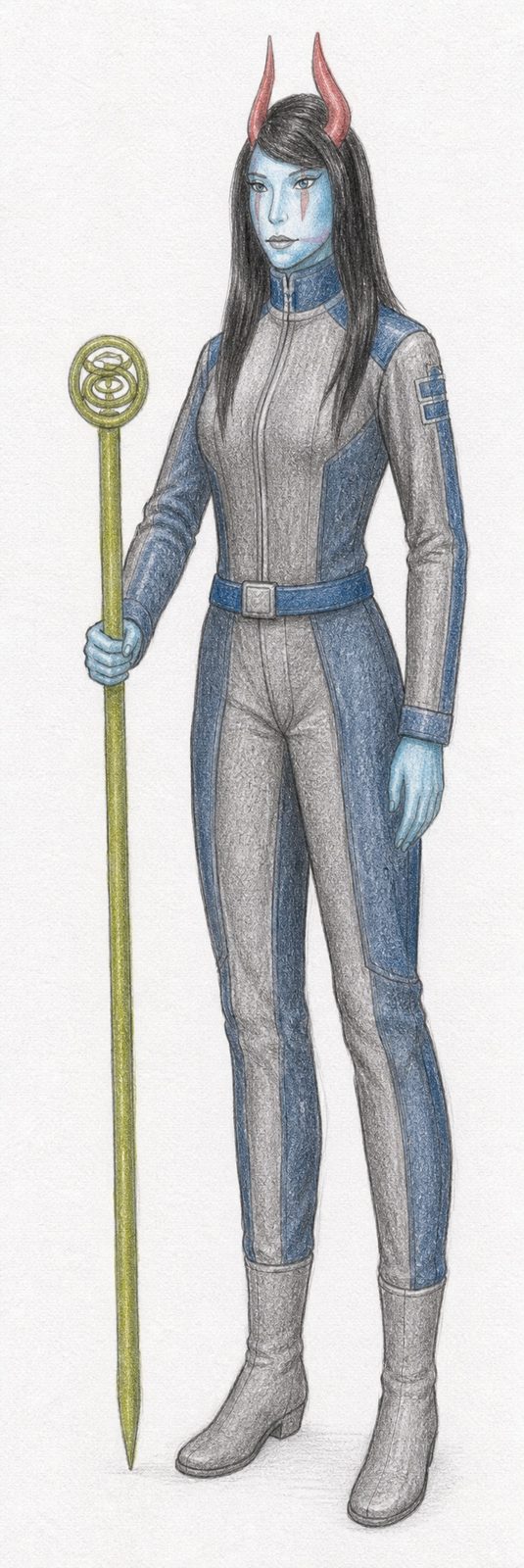
The third race are the Gurii. Also an artificially bred race, single-sexed, yet capable of reproducing with a number of other humanoid races, such as humans, the Araleks, the Partaky, and others. They were created with the aim of producing a kind of “super-race.” The Gurii are usually given as a gift to the Furdany's finest servants — be they scholars, soldiers, or explorers — as personal slaves, after which they may bear children by these servants; the children acquire the ability to reproduce among themselves. In this way the Furdany hoped to breed a race that would help govern the dynasty's territories. Over time, however, the Gurii evolved from utterly enslaved creatures into a fairly influential stratum, governed by Mayoresses. Gurii who reach the age of 60 become Mayoresses. Mayoresses are incapable of bearing offspring, and their purpose is to train new Gurii.
Although from the outside the Furdan state may look like a triumph of degeneracy on account of the prevalence of slavery and its monarchical form of government, in reality a great many of its megacities are quite modern, if fairly distinctive. The central place in such megacities is usually occupied by the palace of the Furdan who governs a given region. Often the region is, in practice, run by his officials, while he himself indulges in hedonistic pleasures. Beside the palace, which frequently doubles as a temple, lies a business district of skyscrapers and high-rises, surrounded by residential quarters of the most varied form. On the outskirts one invariably finds numerous fruit orchards for the Furdan court and animal pens tended by Aravionty slaves and the Gsieski. Some of the animals are raised for food, while others become the engine of invasion: the Furdany often deploy invasive species that weaken an enemy's economy ahead of invasion, wrecking agriculture and attacking civilians. The breeding of dangerous animals is handled by the Zhafasty, whose quarters are often located within Furdan settlements. The Furdany favor marshes, and before founding a city they will often flood the surrounding land, a practice sometimes called Furdanoforming. The Furdany love high humidity, as do the races that accompany them.
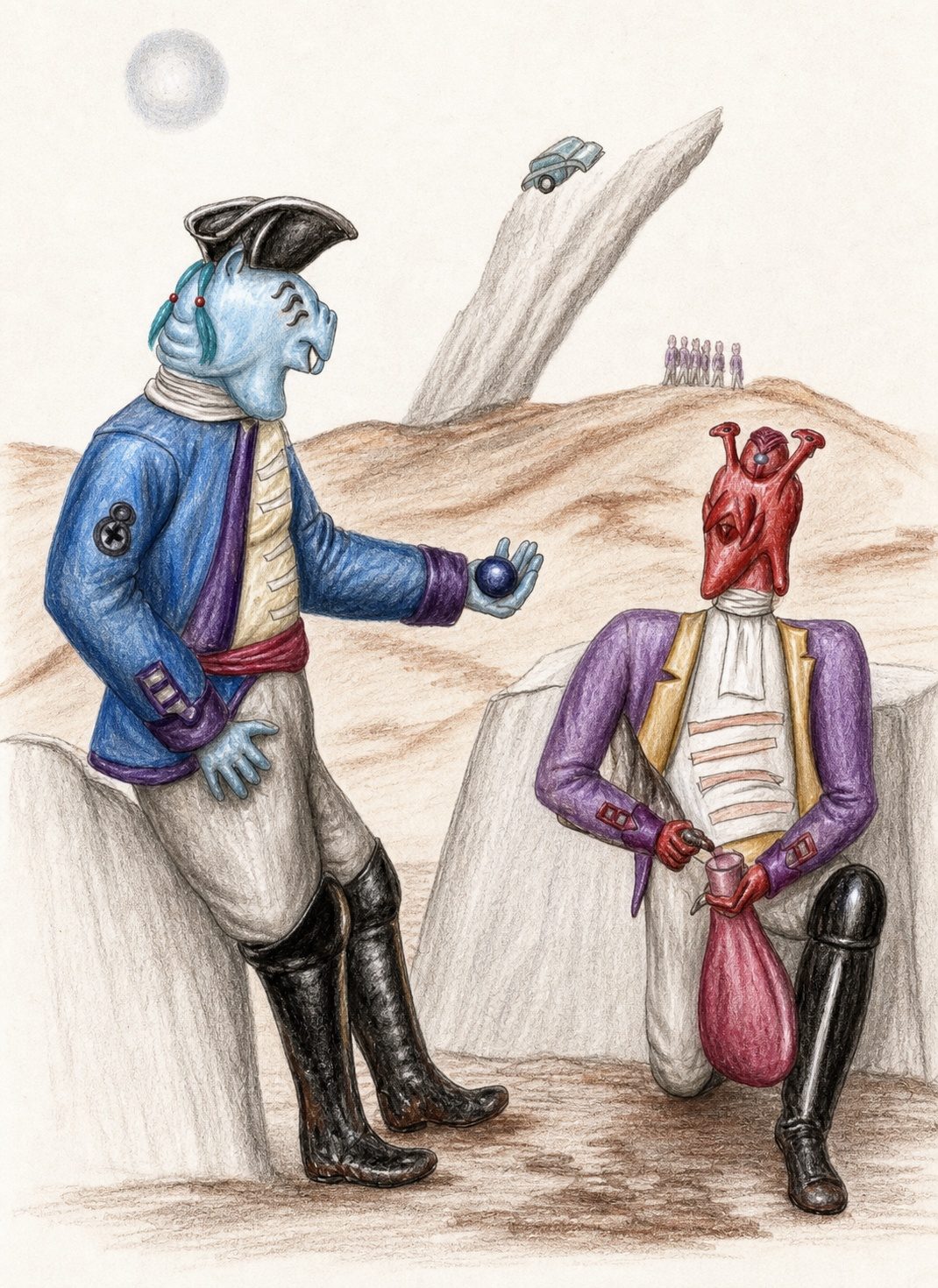
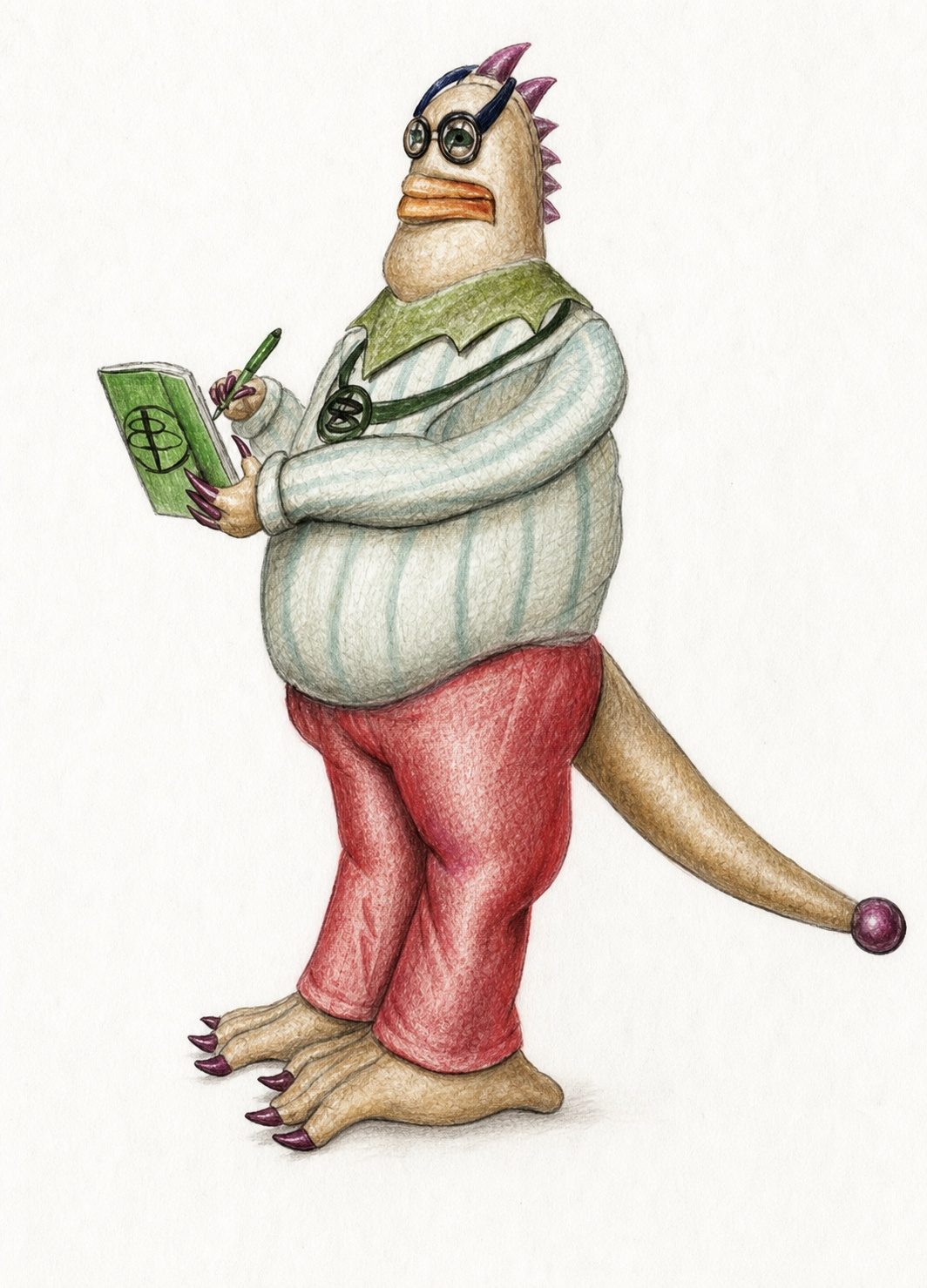
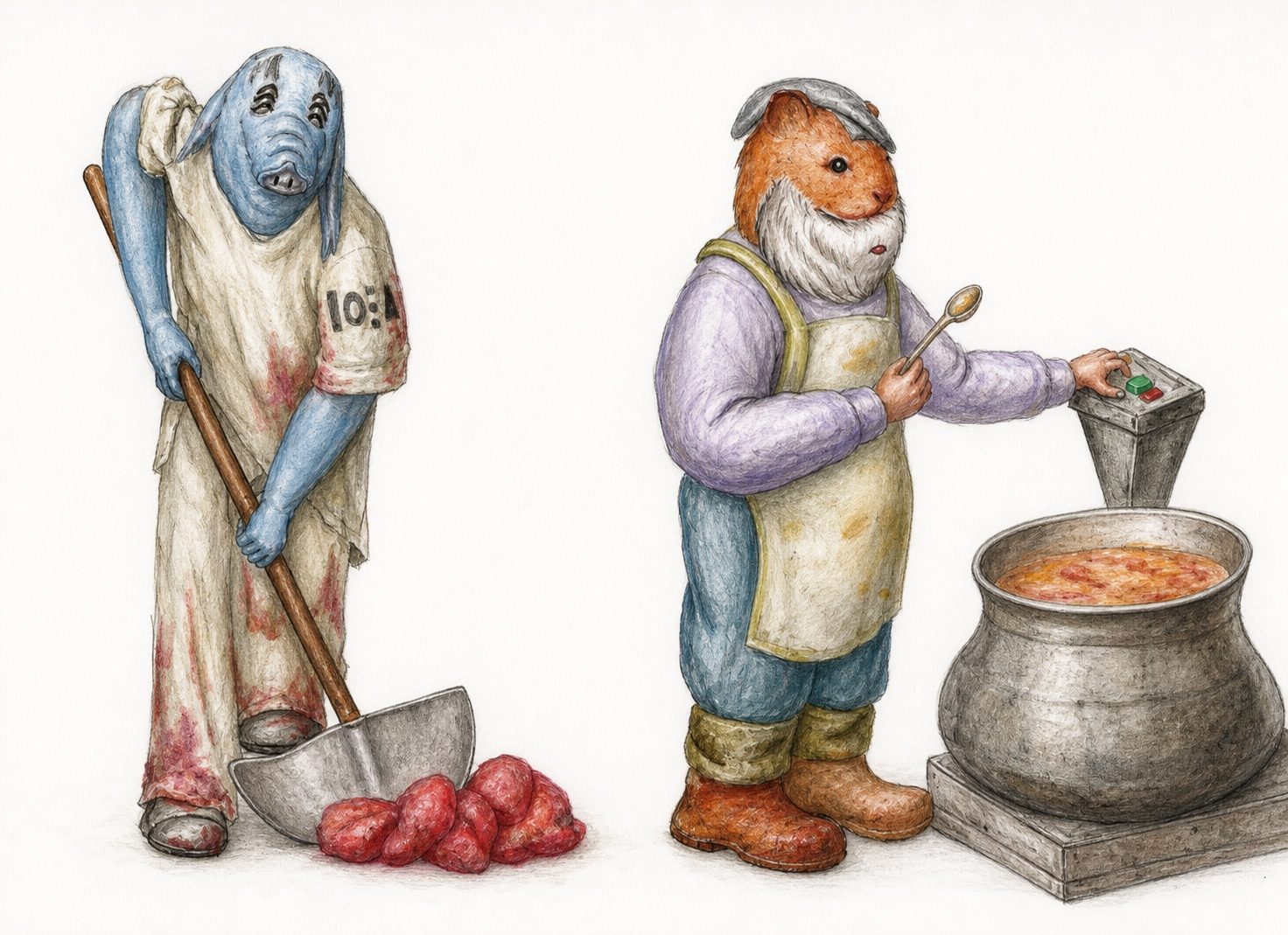
The numerous cooks at the Furdan court hold considerable importance in the dynasty — dozens of these servants can wield noticeable influence. Producers of provisions for the court are likewise quite important. The army, despite everything, does not carry great influence: the Furdany themselves rarely command on the battlefield, delegating that duty to mercenaries. Numerous mercenaries and workers from various parts of the galaxy usually live in the foreign quarters of the megacities; for large sums of money they allow Furdan society to keep developing. Importantly, the Furdany take little interest in these individuals' pasts, so there tend to be no shortage of criminals and other riffraff among them.
Furdan cities are typically inhabited by the following races: the Aravionty, the Gurii, the Efchity, the Isehity, the Churtoi, the Zhafasty, the Gsieski, the Ubrady — while Kerverreyki packs guard the courts and estates.
Furdan military operations generally bear little resemblance to the lightning campaigns of the Surditary. They tend, as a rule, to last a long time, but are usually more effective when it comes to holding territory. A typical plan of operation might be described as follows: the Zhafasty are the first to arrive on the planet. They usually hide in marshes or forests, breeding their weapon of invasive species. Invasives are frequently used to undermine the enemy's food supply, as well as to inflict harm: voracious insects for destroying fields and venomous reptiles released near troop encampments serve best here. Sometimes they are released into cities to create an atmosphere of panic.
The second stage is the arrival on the planet of the Kerverreyki, along with the Efchity and the Isehity. These races become direct enemies of the civilian population: they plan ambushes, attack influential figures and soldiers, and sabotage logistics. War against these races becomes an absolute nightmare — they easily make up their losses thanks to high fertility, easily evade pursuit, and require a minimal amount of resources.
The first two stages are often called “softening” — they can take years. Frequently, in parallel with these stages, a Furdan arrives on the planet and begins establishing Furdan cults, preaching that only the Furdany can protect the civilian population from calamity and famine. And indeed, the invasives and the three aforementioned races do not attack the cult's followers. Often the first two stages are enough for the planet to fall into the Furdan Dynasty's hands; if this does not happen, a third stage follows — a full-scale invasion.
Masses of Aravionty, who form the backbone of the Furdan armies, together with the Churtoi and the Koaty serving as elite infantry, flood the streets of the victim planet's cities. A classic military confrontation begins, and the planet passes into the enemy's hands. Meanwhile the cults often stage uprisings in the enemy's rear, weakening the defense; they also serve as saboteurs and scouts.
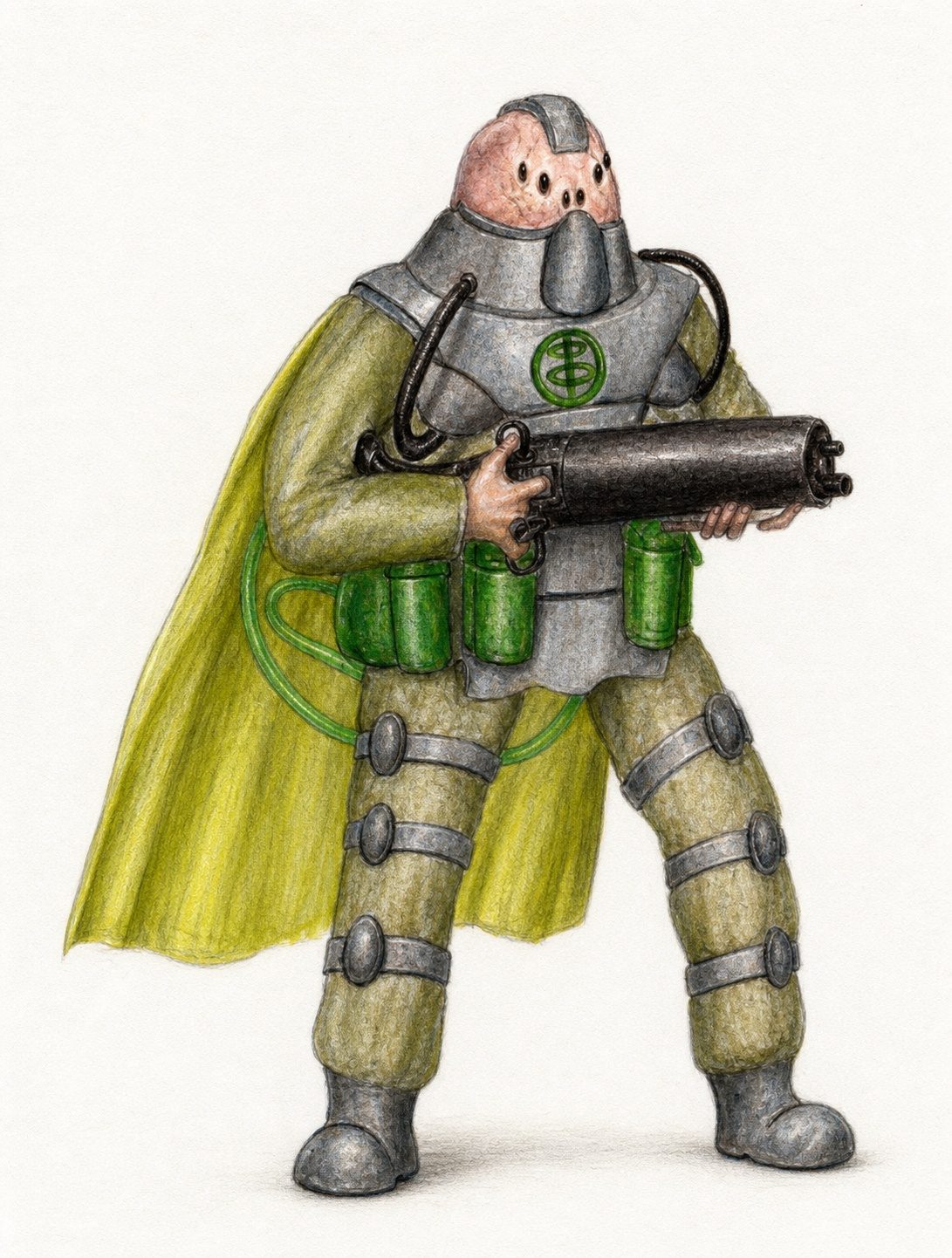
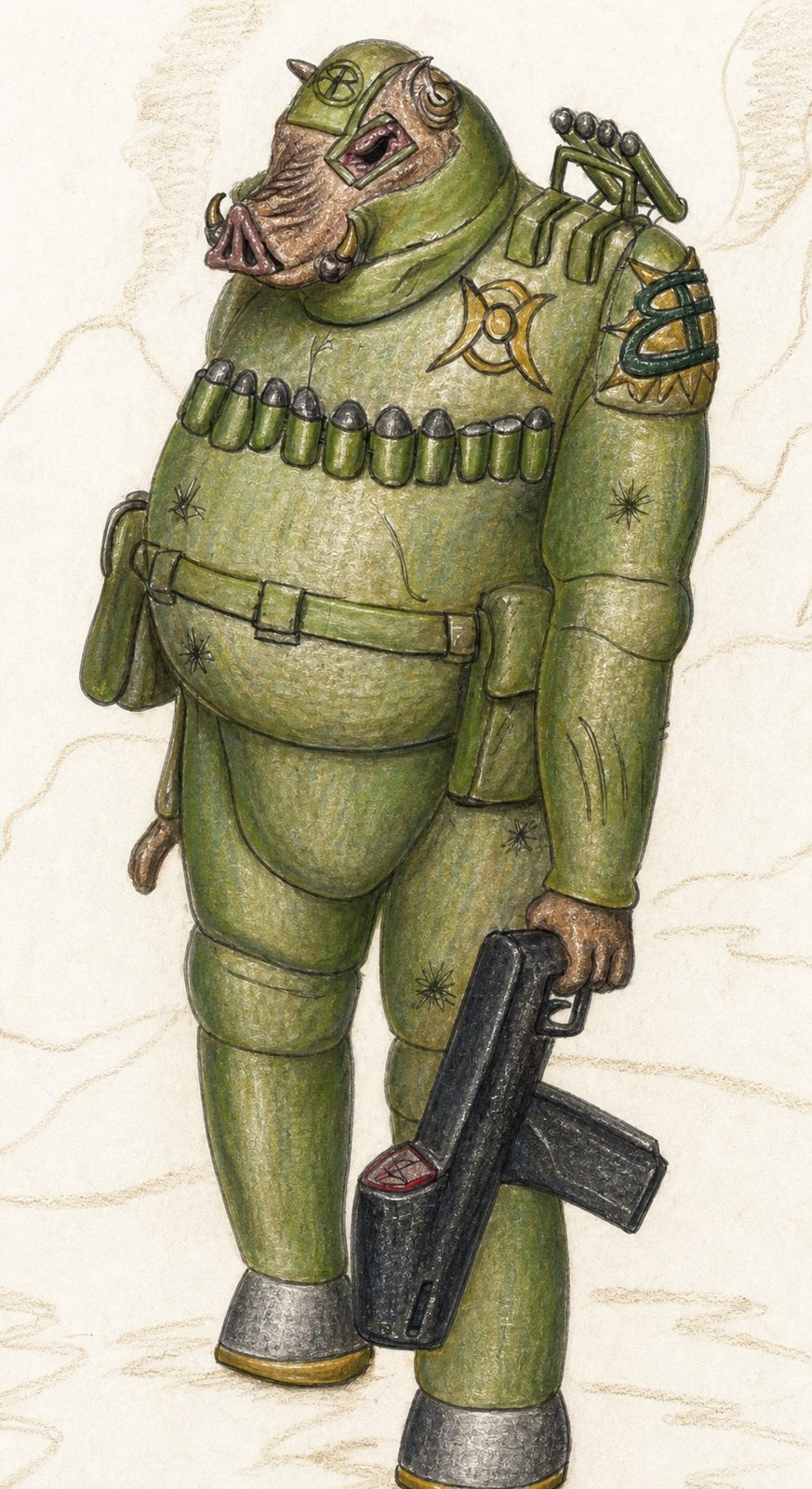
Experience from the war against the Order of the Dark Craters on the territory of the Kingdom of Utsi-Kit led the Furdany to decide to create the Columns — small, highly trained military detachments bound together by a shared faith and possessing high combat capability. The Columns were created in two types — Ypry Columns and Koaty Columns. Both wore expensive combat suits and maintained a high degree of readiness and loyalty. The author of the reform was Fyntok. In its first iteration, 14 columns were created, distributed among the dynasty's territories. Only veterans who worshipped the Great Belly were admitted into the Columns. Most often they were used as a strike force and a “first argument.”
The “Stripe Groups” were roving bands, clearly created under the influence of the pleasure cult of the Pleziiry. They were made up of Gurii and matrons. Their purpose was to seduce representatives of other states and persuade them to work for the Furdan Dynasty. The one distinctive feature of their clothing was trousers or skirts with a vertical stripe.